What This Document Is
This material represents lecture notes from an introductory Social Work course (SOCW 200) at the University of Illinois at Urbana-Champaign, delivered on February 14, 2012. It delves into foundational concepts crucial for understanding social justice and the diverse experiences of individuals within society. The lecture explores complex ideas relating to fairness, equity, and systemic advantages, laying the groundwork for critical analysis within the field of social work. It tackles sensitive and often debated topics, aiming to provide a framework for nuanced discussion.
Why This Document Matters
This lecture is particularly valuable for students new to social work, sociology, or related disciplines. It’s ideal for those seeking a comprehensive overview of core principles before diving into more specialized areas of study. It will be helpful when preparing for class discussions, formulating research questions, or beginning to understand the ethical considerations inherent in social work practice. Students grappling with concepts of inequality and privilege will find this a useful starting point for deeper exploration. It’s best used *before* attempting case studies or practical application exercises.
Common Limitations or Challenges
This lecture provides a theoretical foundation and does not offer practical “how-to” guides for intervention or direct practice. It presents concepts for consideration and debate, but does not provide definitive answers or solutions to complex social problems. The material is a snapshot of a single lecture and should be supplemented with further reading and research to gain a complete understanding of the topics covered. It does not include assigned readings or supplementary materials.
What This Document Provides
* An exploration of differing perspectives on societal justice.
* An introduction to the concept of privilege and its potential manifestations.
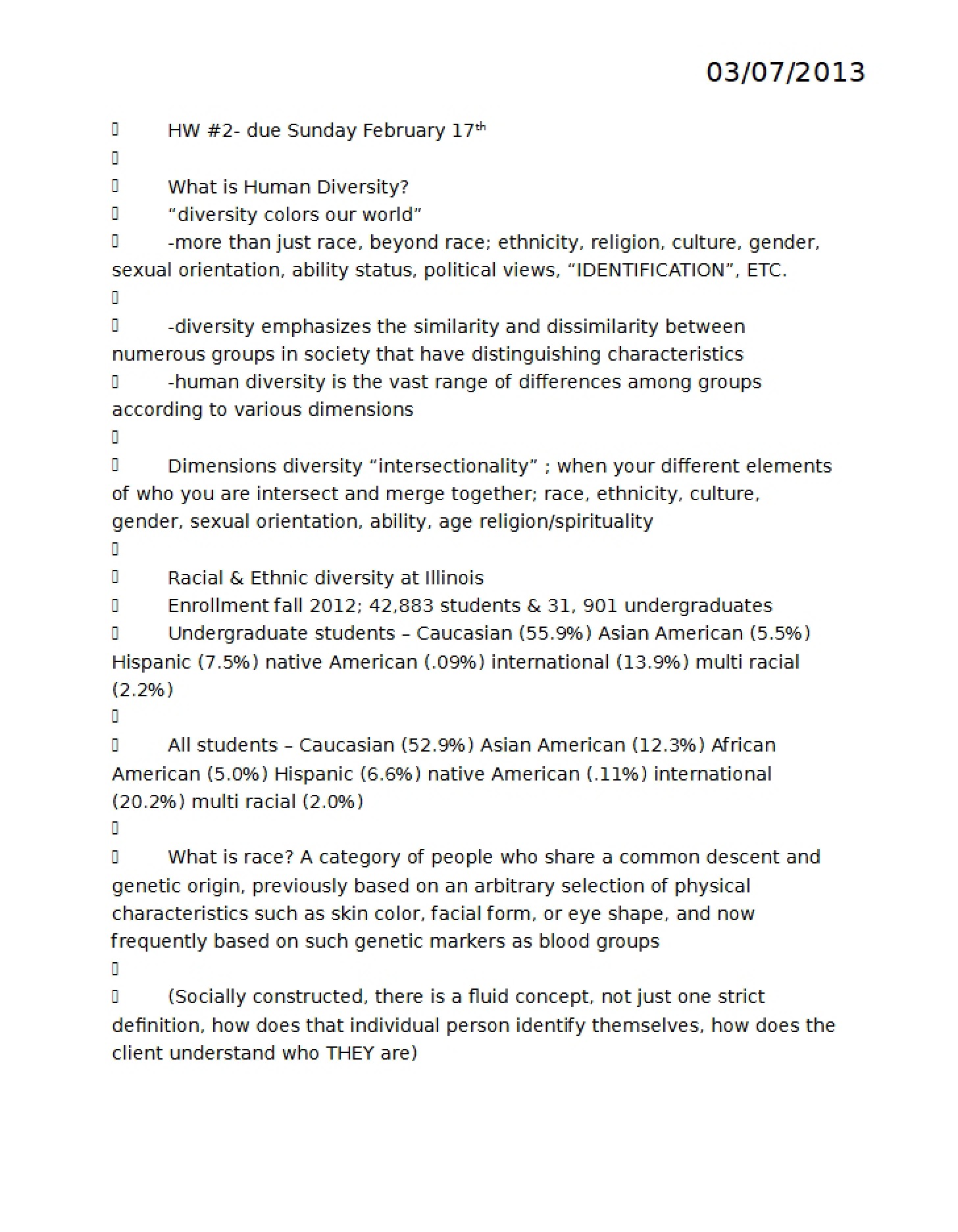
* A discussion of the complexities surrounding race and ethnicity.
* An overview of key terms related to gender and sexual orientation.
* Consideration of specific challenges faced by different groups within society.
* A foundational understanding of dimensions of diversity.