What This Document Is
This study guide provides a comprehensive overview of executive systems and public administration within the context of Western European governments. It delves into the structures and functions of various governmental branches, focusing on the relationships between political leaders and bureaucratic institutions. The material explores different models of governance prevalent across the region, offering a comparative analysis of their strengths and weaknesses. It’s designed to support students studying comparative politics, European government, and public policy.
Why This Document Matters
Students enrolled in courses on Western European politics, political science, or public administration will find this resource particularly valuable. It’s ideal for supplementing lectures, preparing for exams, and deepening your understanding of the practical realities of governance in countries like the United Kingdom, Germany, France, and others. This guide is most helpful when you’re seeking to understand the theoretical underpinnings of different executive structures and how they operate in practice, and when you need a solid foundation for analyzing current political events in Western Europe.
Common Limitations or Challenges
This guide focuses on structural and theoretical frameworks. It does not offer detailed case studies of specific policy implementations or in-depth historical analyses of individual nations. While it touches upon challenges in executive governance, it doesn’t provide prescriptive solutions or detailed comparative performance data. It’s intended as a foundational resource, not a complete and exhaustive treatment of the subject. Access to the full material is required for a complete understanding of the nuances discussed.
What This Document Provides
* An exploration of different types of executive systems found in Western Europe.
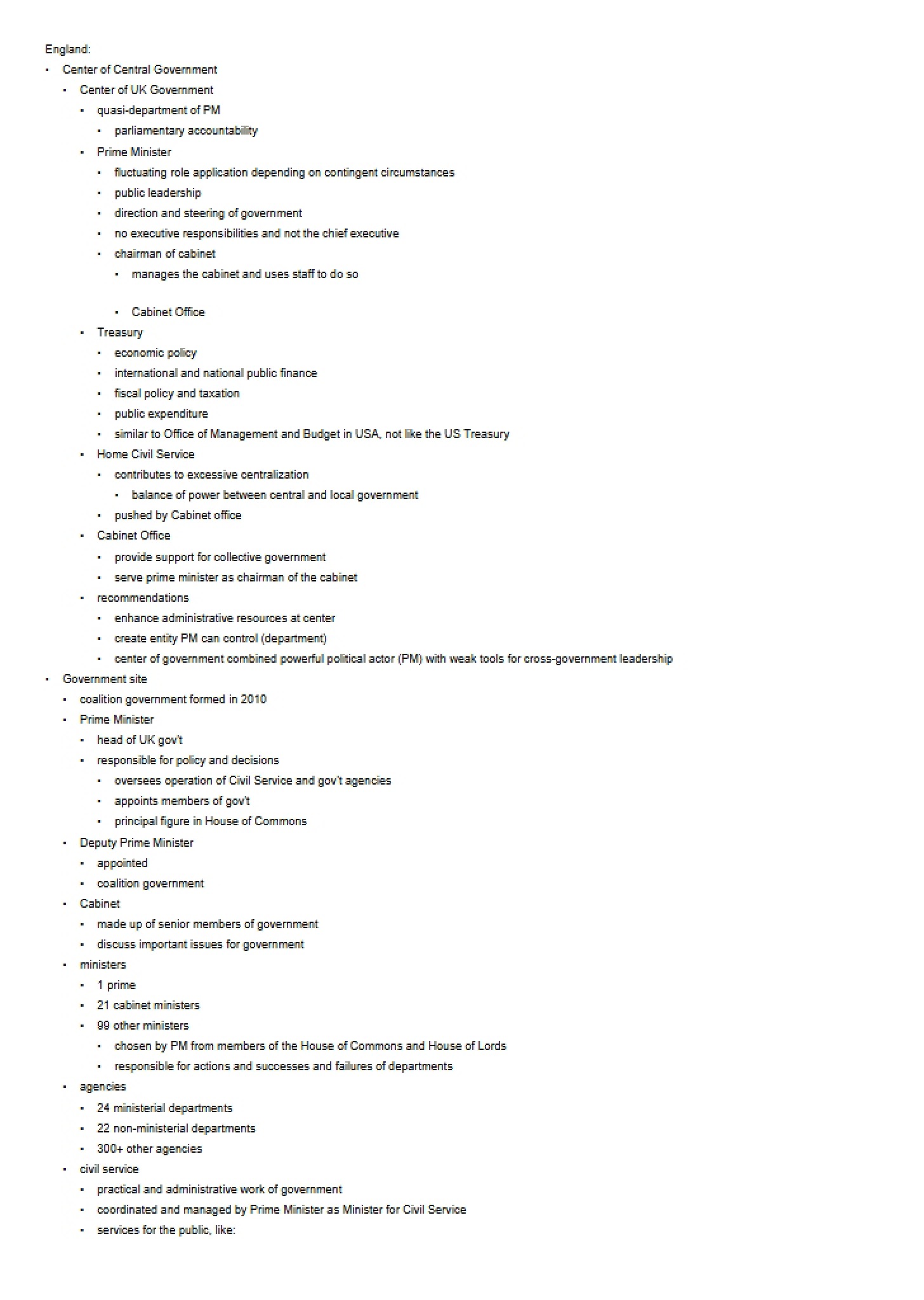
* A breakdown of the roles and responsibilities within the executive branch, including heads of state and government.
* An overview of the structure and function of public bureaucracies.
* Discussion of the complex relationship between politicians and bureaucratic officials.
* Analysis of common problems encountered in executive governance.
* Detailed examination of parliamentary and semi-presidential government systems.
* Explanation of key concepts like votes of confidence and minority governments.