What This Document Is
This study guide offers a focused overview of the evolution and core principles governing political and governmental structures within Western Europe, specifically concerning the European Union. It delves into the historical foundations of European integration, tracing the development from initial cooperative agreements to the modern-day EU. The material explores the theoretical underpinnings of how change occurs within the EU system and the ongoing interplay between national sovereignty and supranational governance.
Why This Document Matters
Students enrolled in courses on European Politics, Comparative Politics, or International Relations will find this resource particularly valuable. It’s ideal for supplementing lectures, preparing for discussions, and building a foundational understanding of the EU’s complex political landscape. Those seeking to grasp the historical trajectory of European integration and the key debates surrounding its future will also benefit. This guide is best utilized *before* diving into detailed case studies or specific policy analyses, providing a crucial framework for further learning.
Common Limitations or Challenges
This guide provides a broad overview and does not offer in-depth analysis of individual member states’ political systems. It focuses on the overarching structures and processes of the EU itself. It does not include current event updates or detailed policy implementation specifics. Furthermore, it does not provide pre-written answers for assignments or exam questions – its purpose is to enhance understanding, not to replace critical thinking and independent study.
What This Document Provides
* A historical timeline of key treaties and agreements that shaped the European Union.
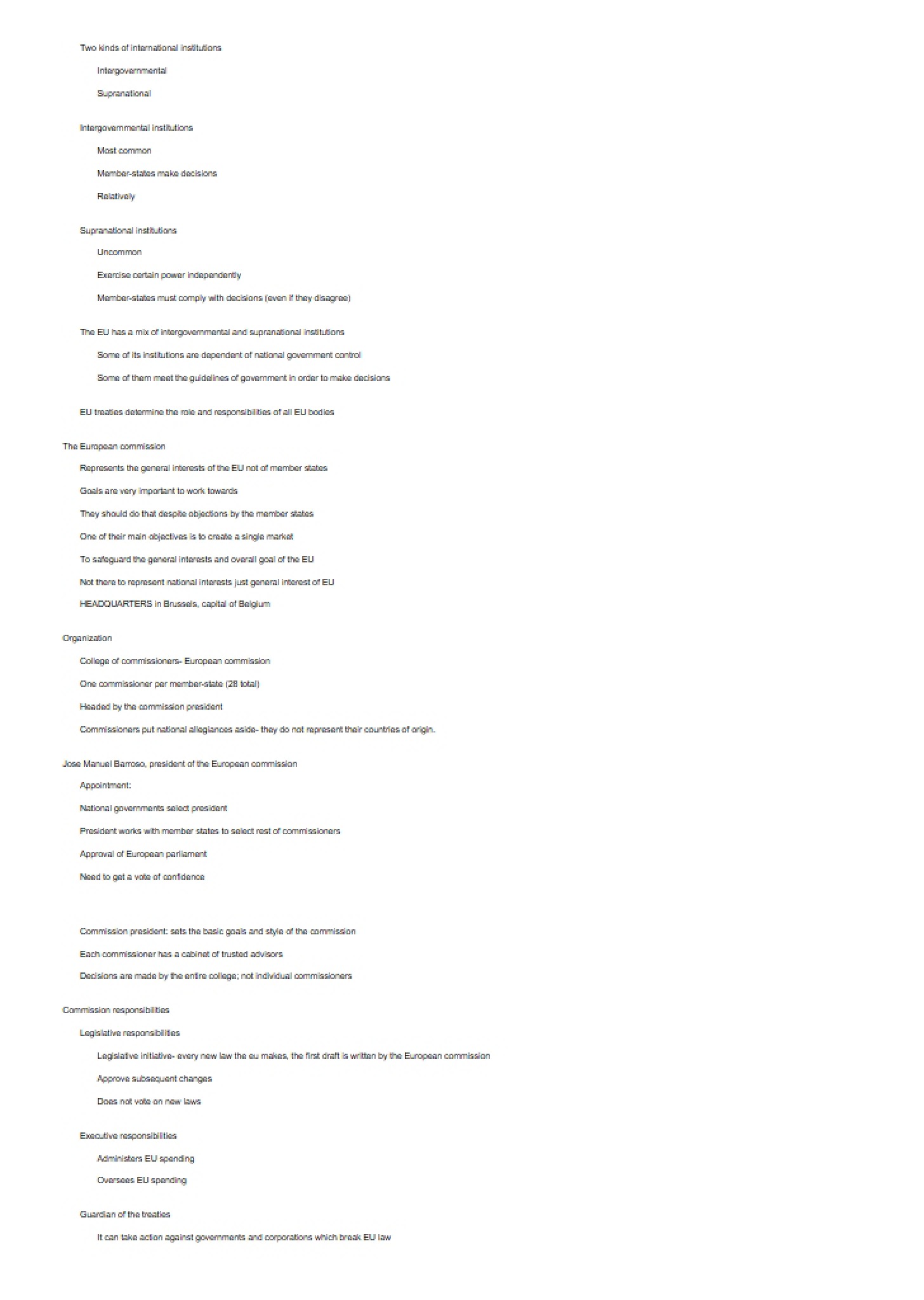
* An exploration of the differing approaches to European integration – examining concepts of intergovernmentalism and supranationalism.
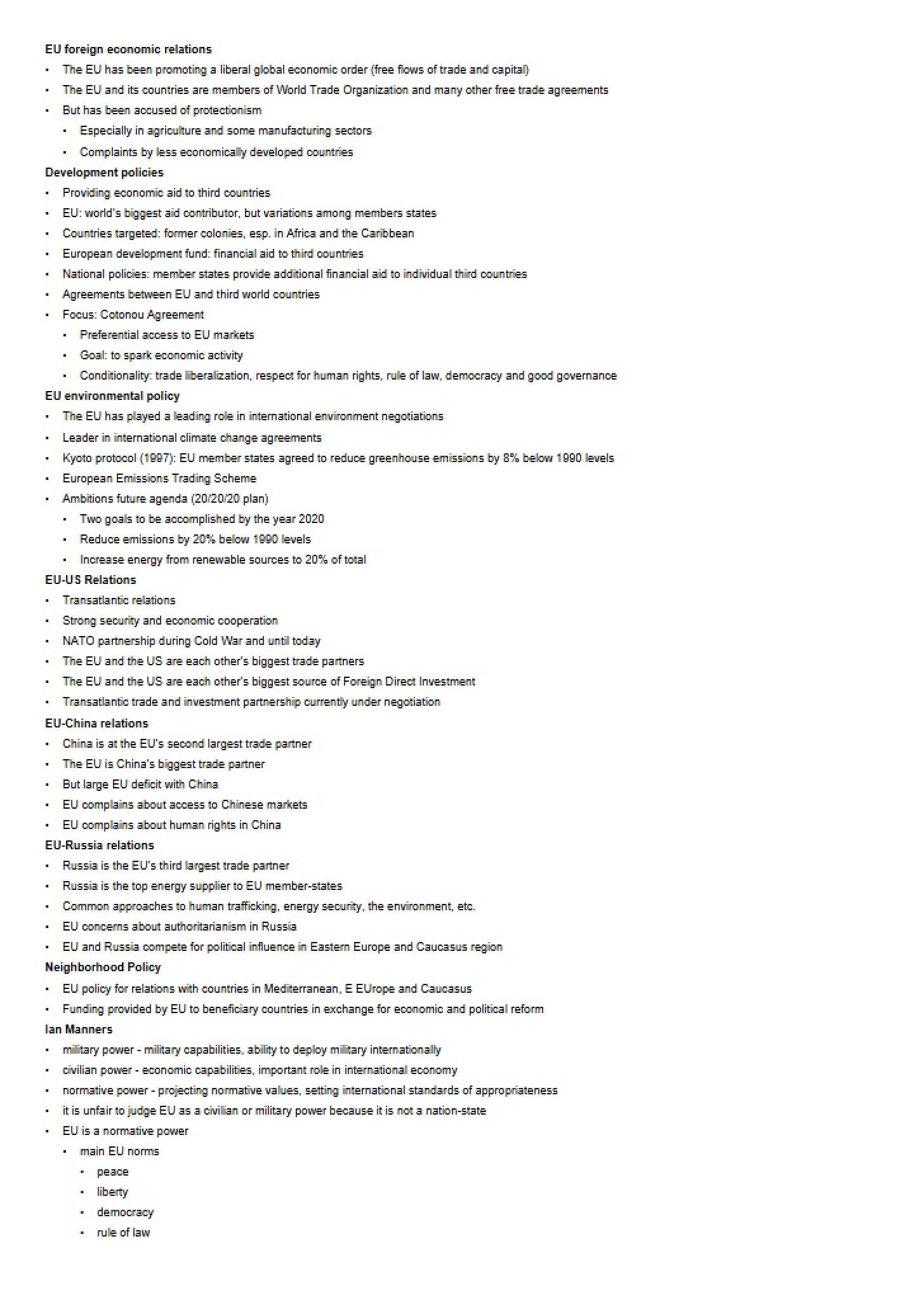
* An outline of the EU’s core objectives across political, economic, and social spheres.
* A discussion of the challenges and successes associated with EU enlargement and ongoing integration efforts.
* Key considerations regarding the motivations behind the advancement of European integration.