What This Document Is
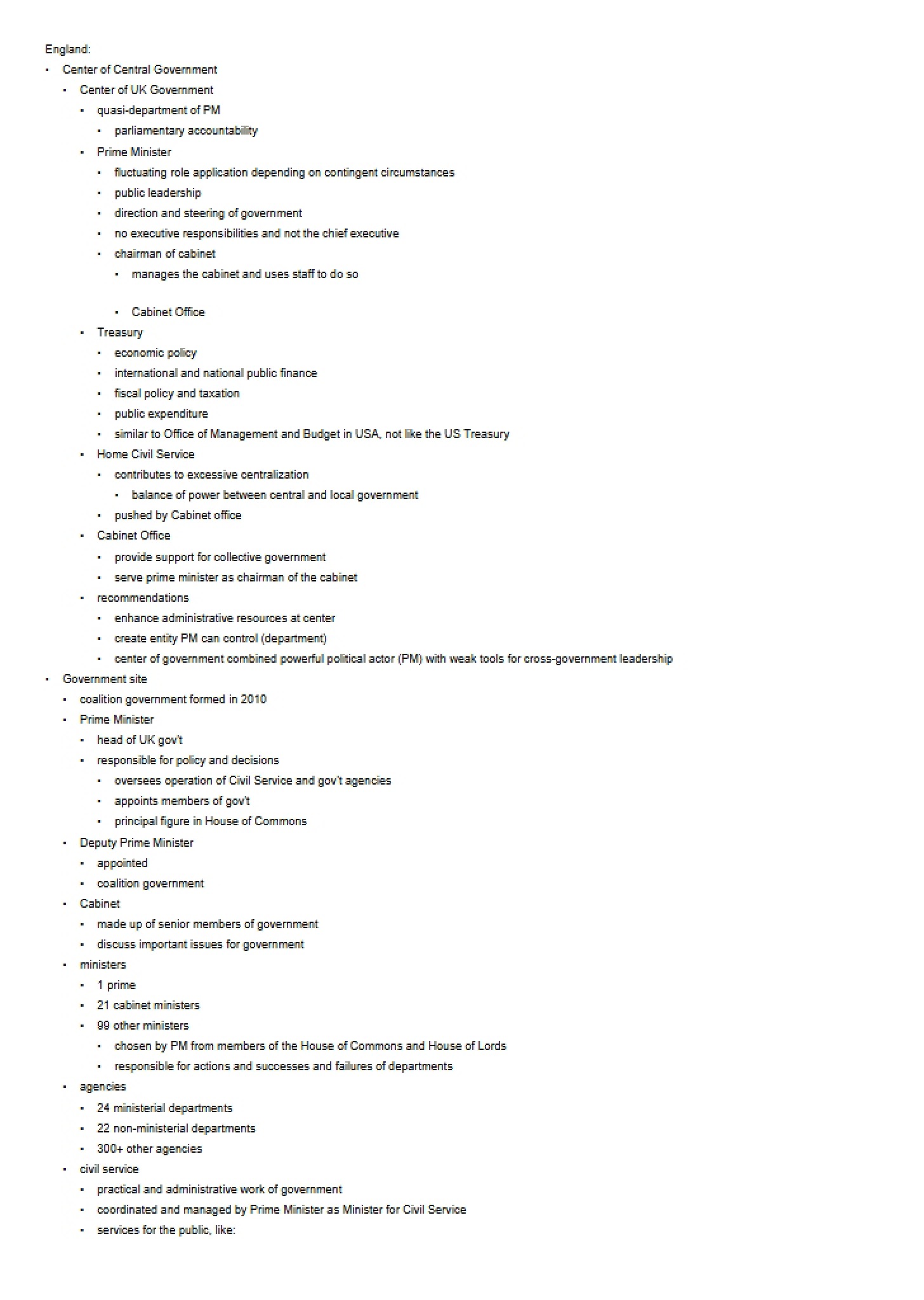
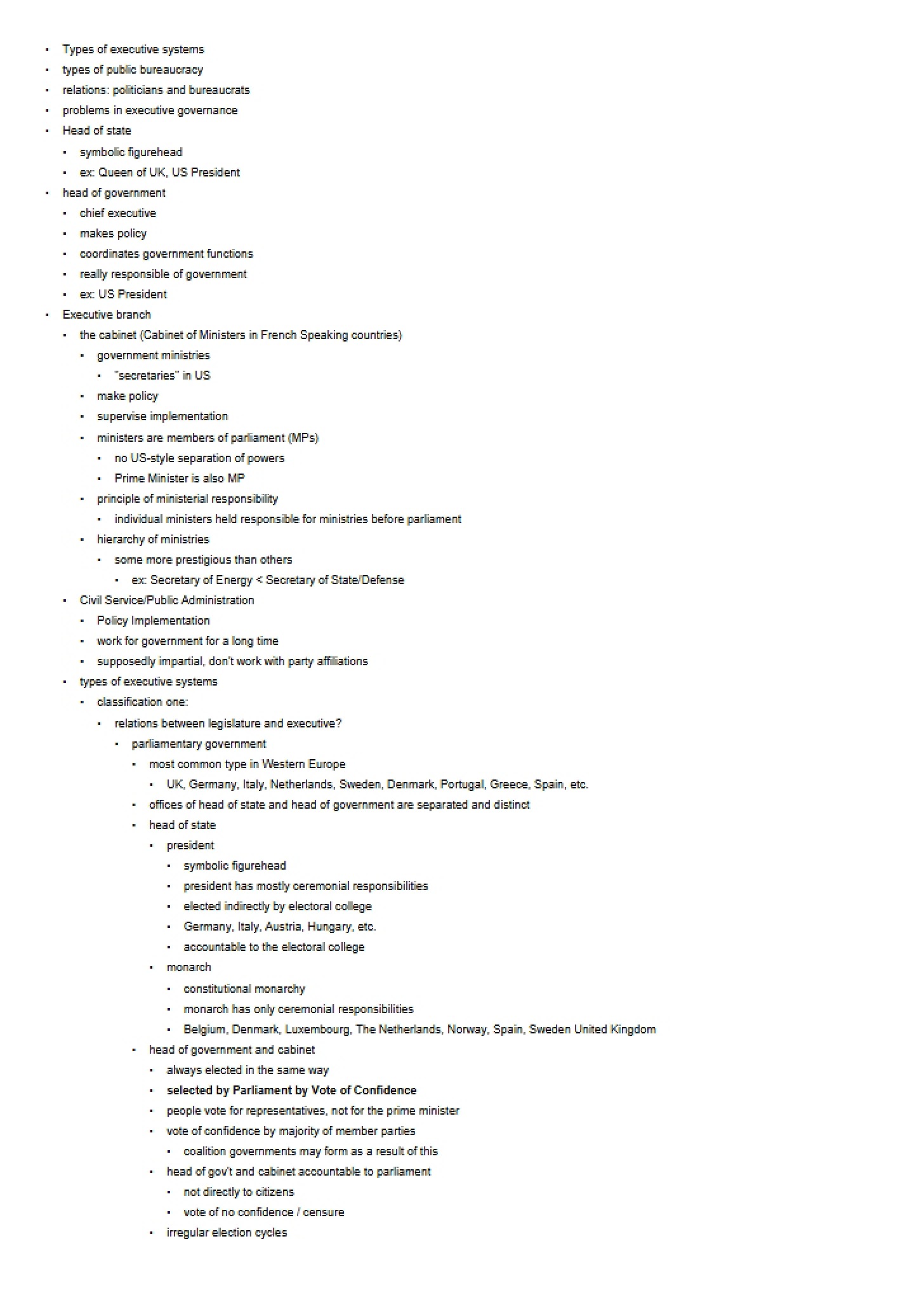
This study guide provides a focused exploration of state structures within Western Europe. It delves into the diverse ways political power is organized and distributed across national governments and their constituent parts. The material systematically examines different state *types*, moving beyond simple definitions to explore the underlying principles that shape governance in the region. It’s designed for students seeking a deeper understanding of comparative political systems and the historical forces that have molded them.
Why This Document Matters
This resource is particularly valuable for students enrolled in courses on Western European politics, comparative government, or political geography. It’s ideal for those preparing for exams, writing research papers, or simply aiming to solidify their grasp of core concepts. Understanding the nuances of state structures is crucial for analyzing policy outcomes, political behavior, and the overall stability of Western European nations. It will be most helpful when you are trying to differentiate between theoretical models of governance and their real-world applications.
Common Limitations or Challenges
This guide concentrates specifically on the *types* of states found in Western Europe. It does not offer a comprehensive history of each nation, nor does it provide detailed analyses of current political events or specific policy debates. While historical context is provided, the primary focus remains on the structural organization of power. It also doesn’t offer predictions about future political developments or evaluate the effectiveness of different state models.
What This Document Provides
* A systematic overview of key state classifications – including confederations, federations, and unitary states.
* Discussion of the factors influencing the distribution of power between central and constituent governments.
* Exploration of the historical development of state structures in Western Europe.
* Consideration of regional variations and the impact of subnational identities.
* Insights into the challenges faced by states navigating demands for greater regional autonomy.