What This Document Is
These lecture notes, originating from a Politics of War and Peace (POLS 368) course at West Virginia University, offer a foundational overview of the realist approach to international politics. The material delves into the core tenets of realism, a prominent school of thought in the field, and its historical development. It explores the key assumptions underpinning this perspective and contrasts it with alternative viewpoints. This resource focuses on the theoretical underpinnings of international relations, rather than current events or specific policy debates.
Why This Document Matters
Students enrolled in international relations, political science, or peace and conflict studies courses will find these notes particularly valuable. They are ideal for those seeking a comprehensive introduction to realism before diving into more specialized topics. These notes can be used to prepare for class discussions, build a strong theoretical foundation for research papers, or simply gain a deeper understanding of how scholars analyze global power dynamics. Individuals interested in understanding the historical roots of contemporary international issues will also benefit from this material.
Common Limitations or Challenges
This resource presents a specific theoretical perspective – realism – and does not offer a comprehensive overview of *all* approaches to international politics. It’s important to remember that realism is just one lens through which to view complex global events. The notes are based on a single lecture from August 20, 2015, and therefore represent a snapshot in time, potentially omitting more recent developments in the field. It does not provide case studies or detailed analyses of specific conflicts.
What This Document Provides
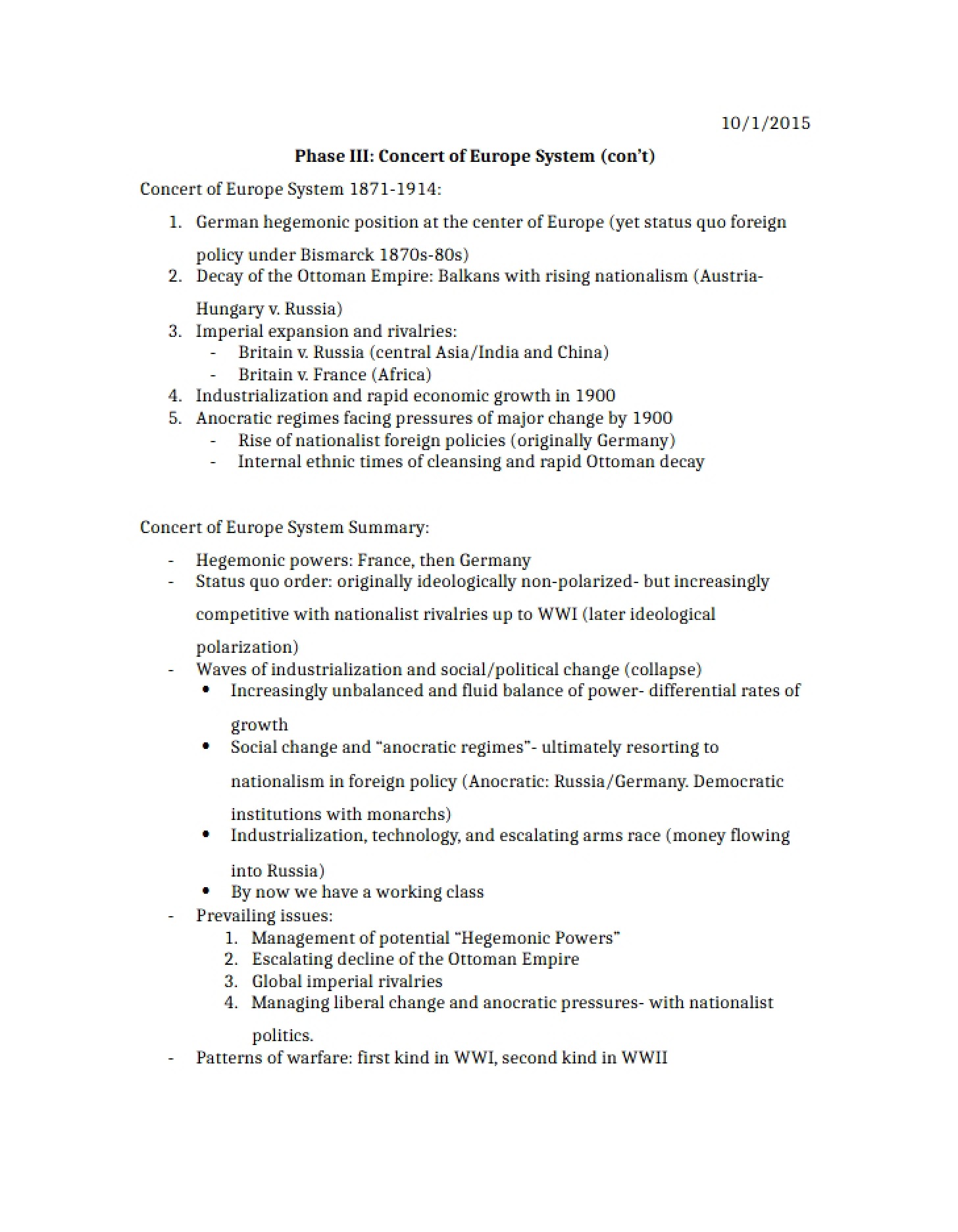
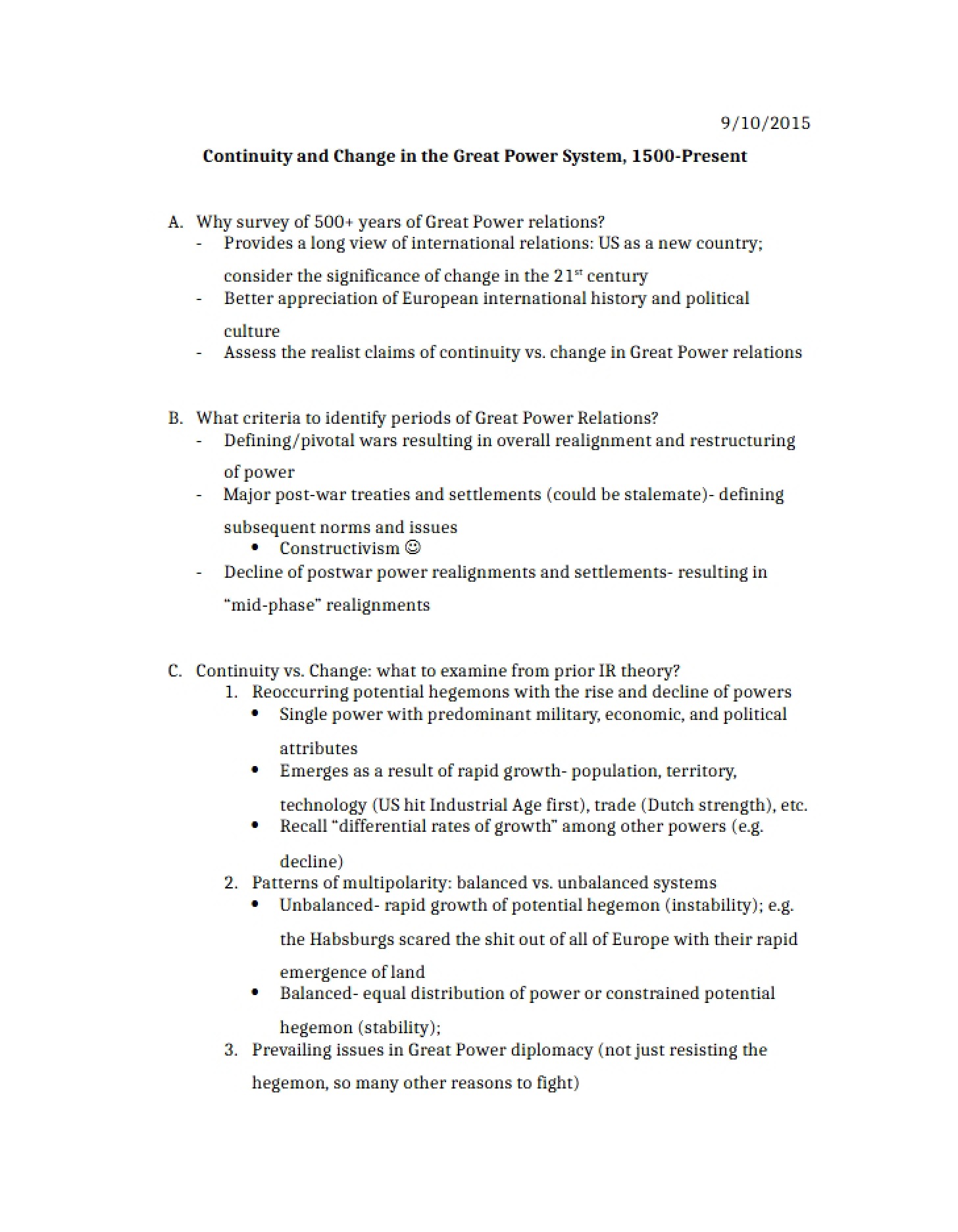
* An exploration of the historical lineage of realist thought, referencing influential figures from classical political philosophy to modern international relations theorists.
* A discussion of core realist concepts, including the role of power, national interest, and the inherent challenges of international cooperation.
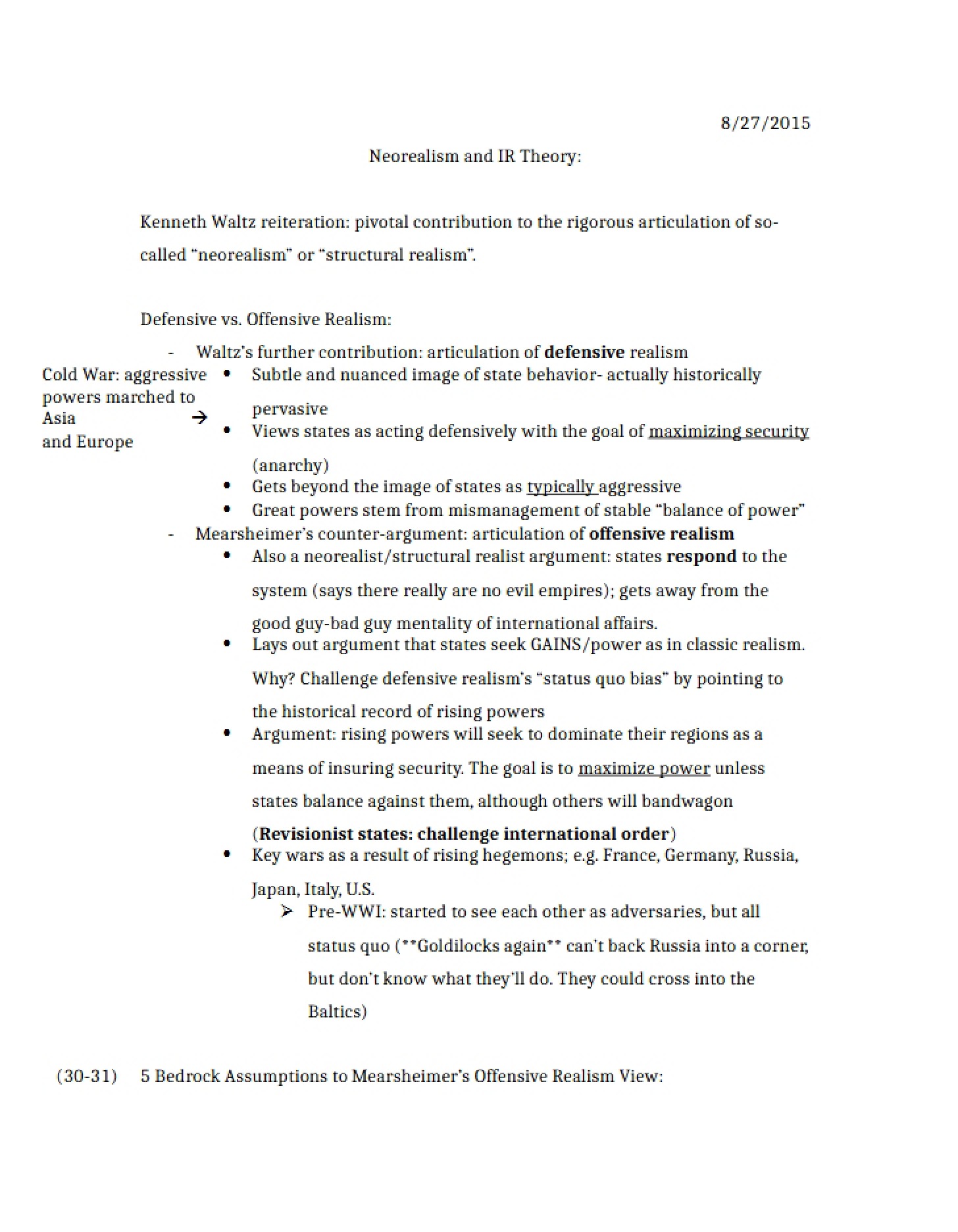
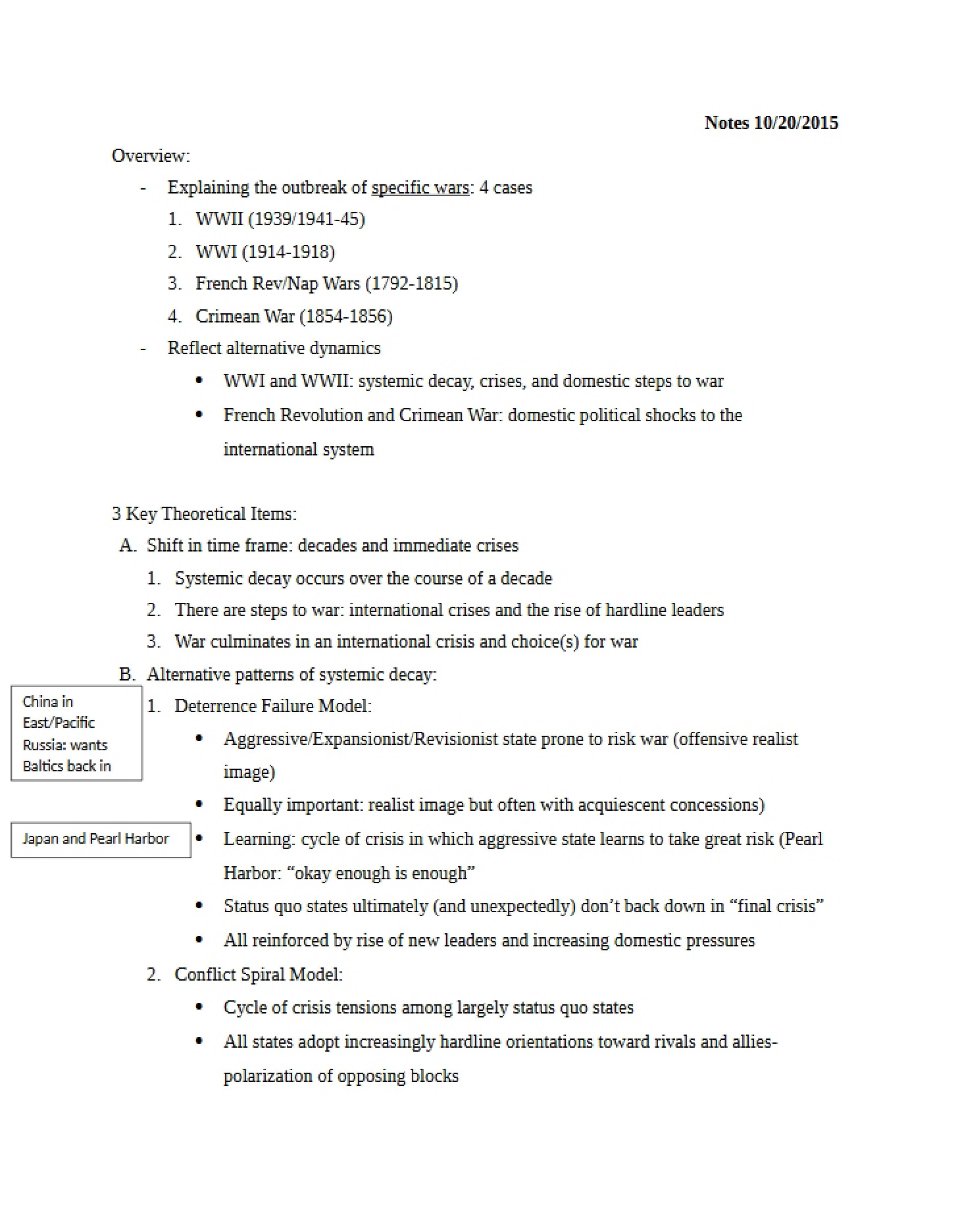
* A comparison between different strands of realism, such as classical realism and neorealism, and their respective explanations for conflict.
* An outline of key debates within the realist tradition, highlighting areas of disagreement and evolving perspectives.
* A framework for understanding the realist perspective on the key components of international politics – actors, influence, and issues.