What This Document Is
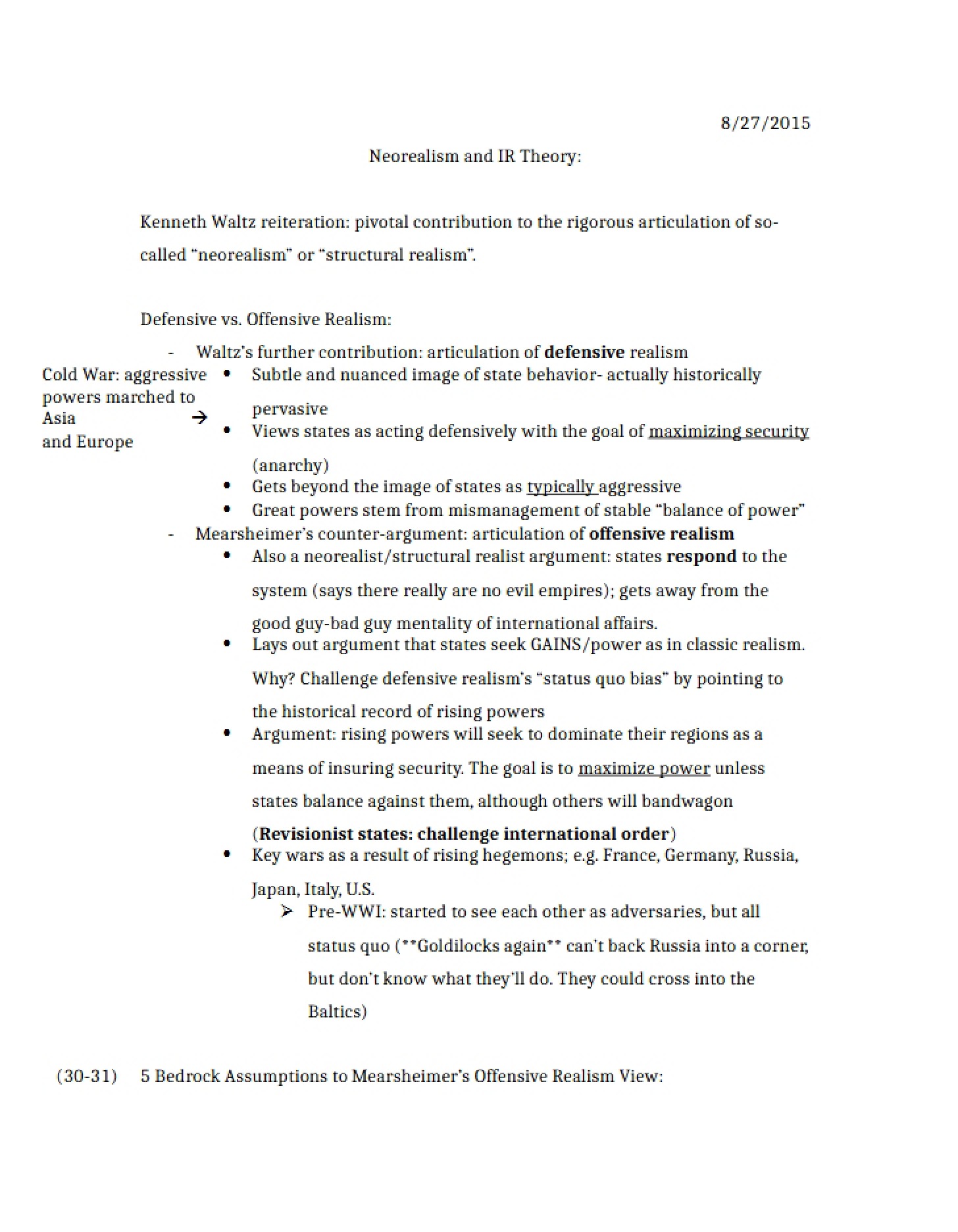
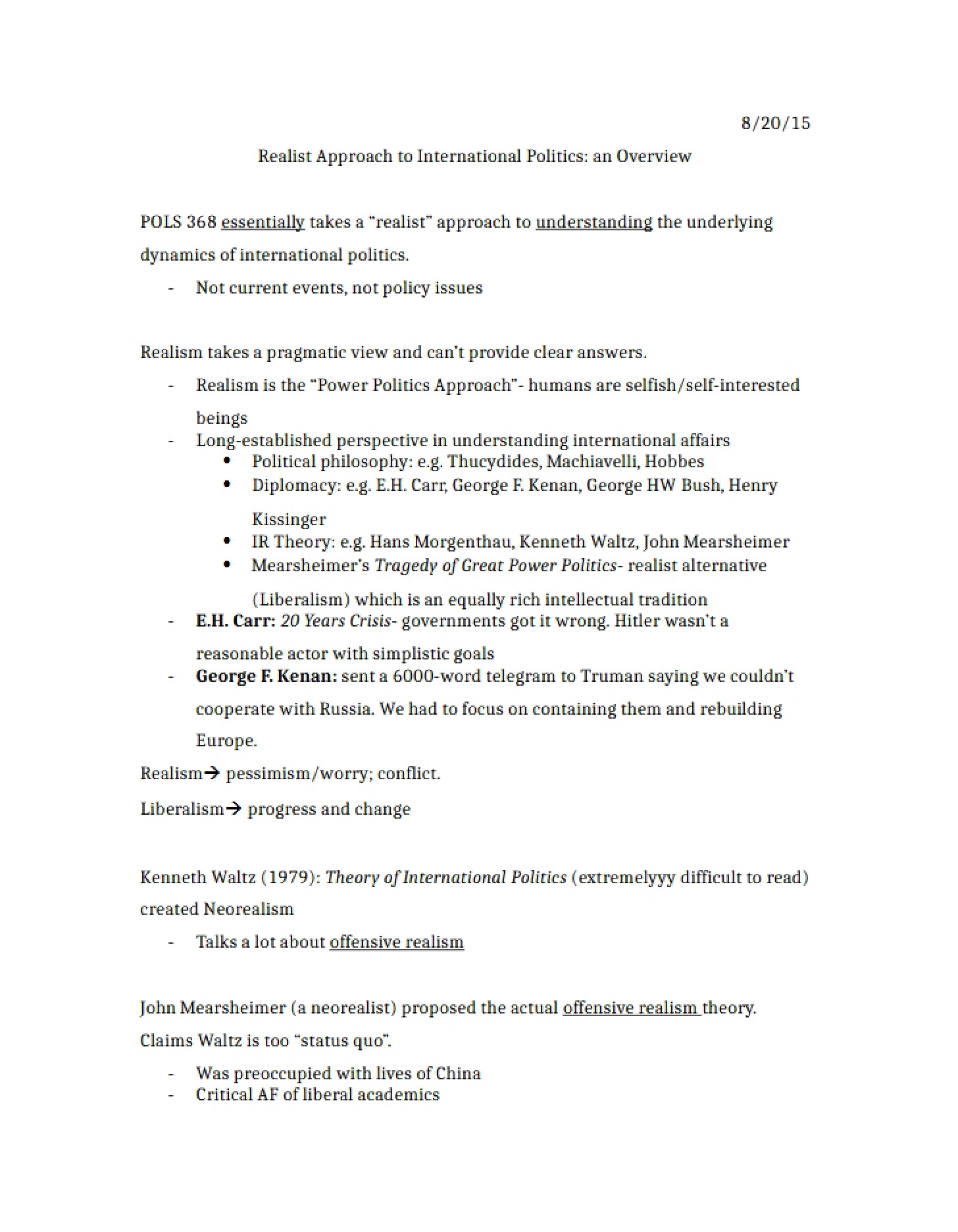
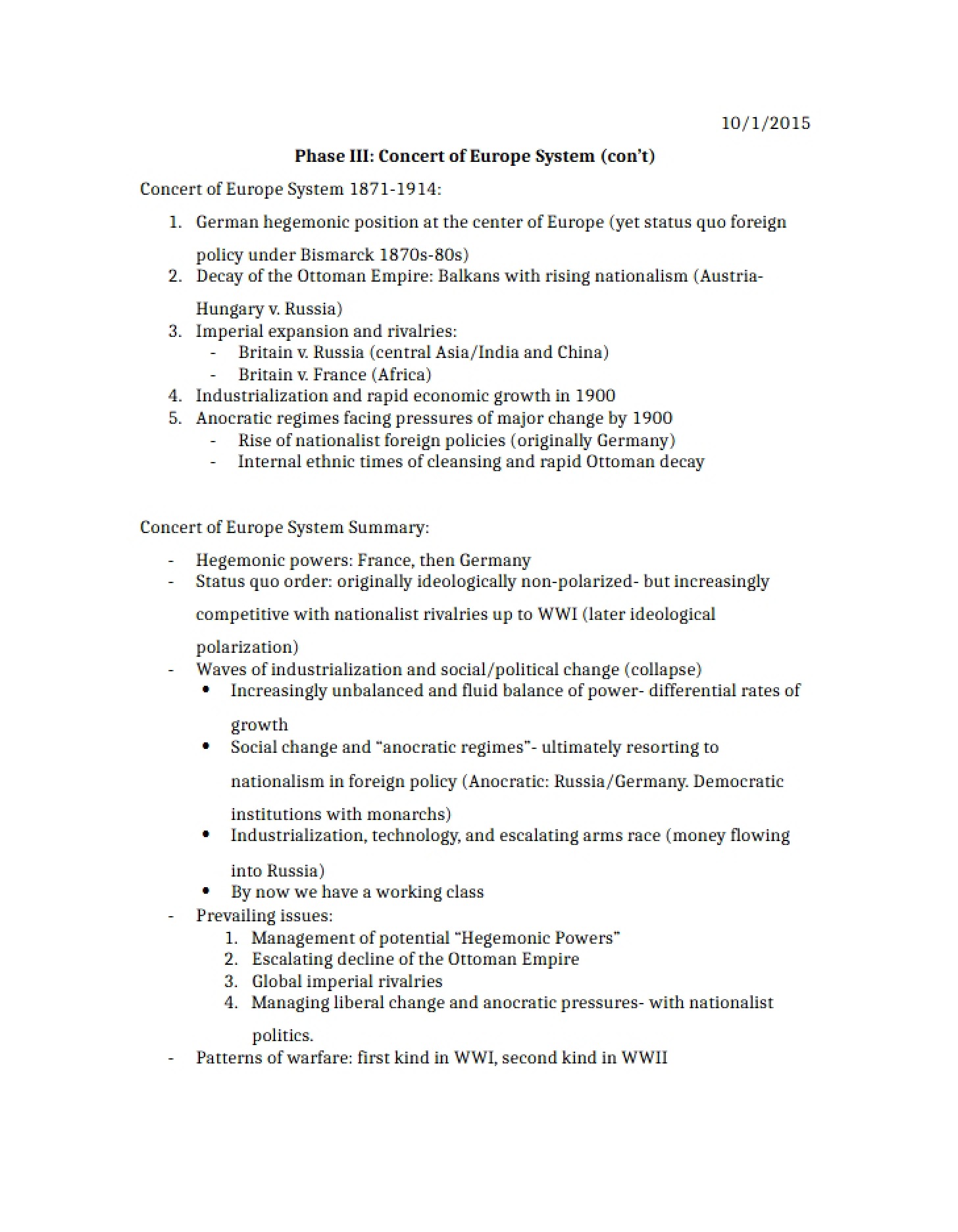
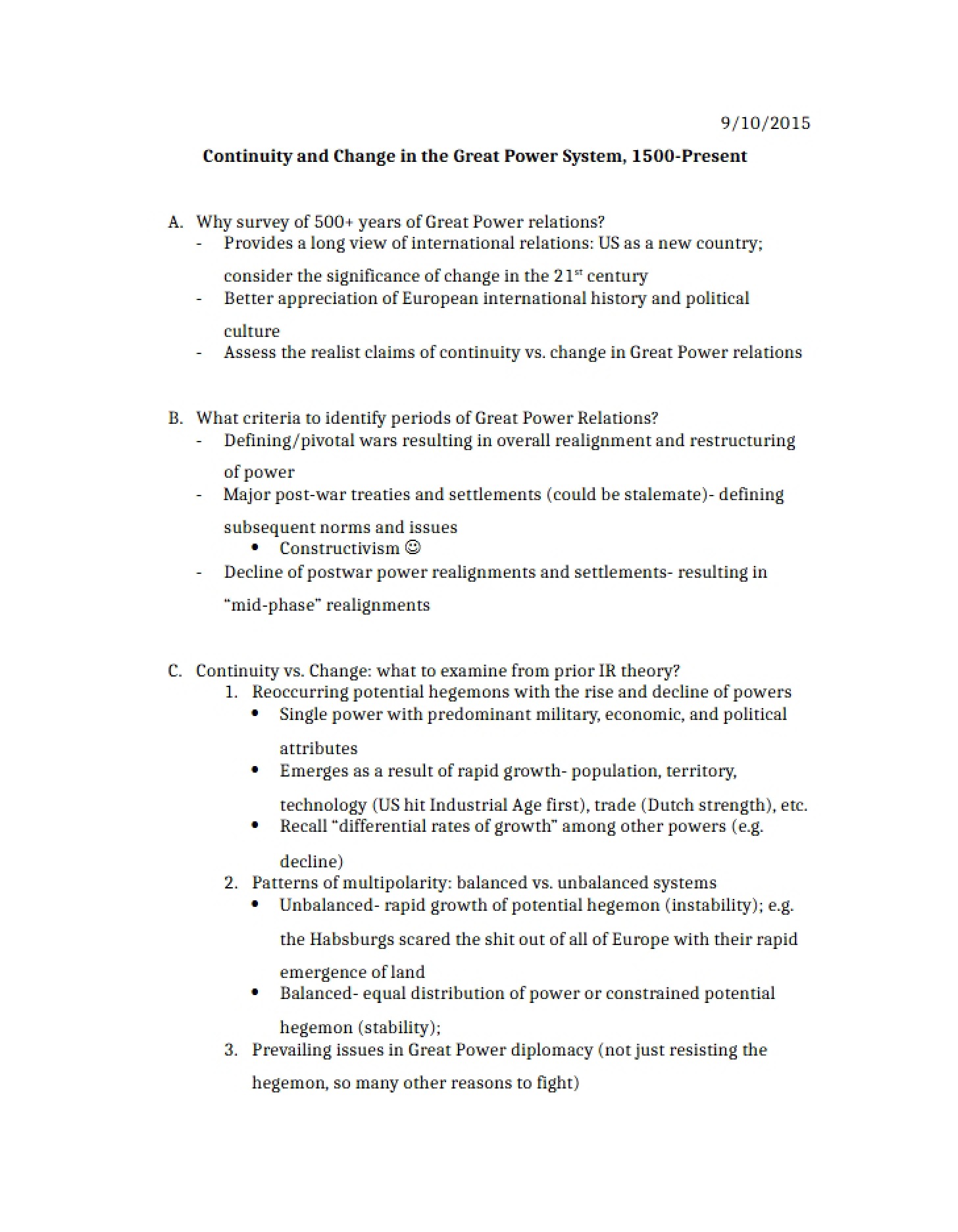
This study guide delves into the historical period following the Napoleonic Wars, specifically examining the efforts to establish a lasting peace and stable international order in Europe. It focuses on the system known as the Concert of Europe, analyzing its foundational principles, mechanisms for maintaining peace, and eventual decline. The material explores the interplay of different theoretical perspectives – realism, constructivism – in understanding the motivations and outcomes of this era’s diplomacy. It traces the evolution of European power dynamics through a series of crises and conflicts.
Why This Document Matters
Students enrolled in courses on international relations, European history, or the politics of war and peace will find this resource particularly valuable. It’s ideal for supplementing lectures, preparing for discussions, and building a strong foundational understanding of 19th-century European politics. Those seeking to understand the roots of modern international institutions and the challenges of collective security will also benefit. This guide is most useful when studying the period between the Congress of Vienna and the outbreak of World War I, and when analyzing the impact of ideology on international relations.
Common Limitations or Challenges
This guide provides a focused analysis of the Concert of Europe and its surrounding context. It does *not* offer a comprehensive history of 19th-century Europe, nor does it cover all aspects of warfare or peace studies. It concentrates on the interactions between major European powers and does not extensively detail internal political developments within each nation. Furthermore, it presents a specific interpretation of events, and students should consult a variety of sources for a well-rounded perspective.
What This Document Provides
* An overview of the core principles underpinning the post-Napoleonic European order.
* Examination of the key actors involved in the Concert of Europe system.
* Analysis of the methods employed to manage international crises and suppress internal unrest.
* Discussion of the factors contributing to the gradual erosion of the Concert system.
* Tracing of the major conflicts that signaled the breakdown of the established order.
* Exploration of the shifting balance of power and the rise of new dominant forces in Europe.