What This Document Is
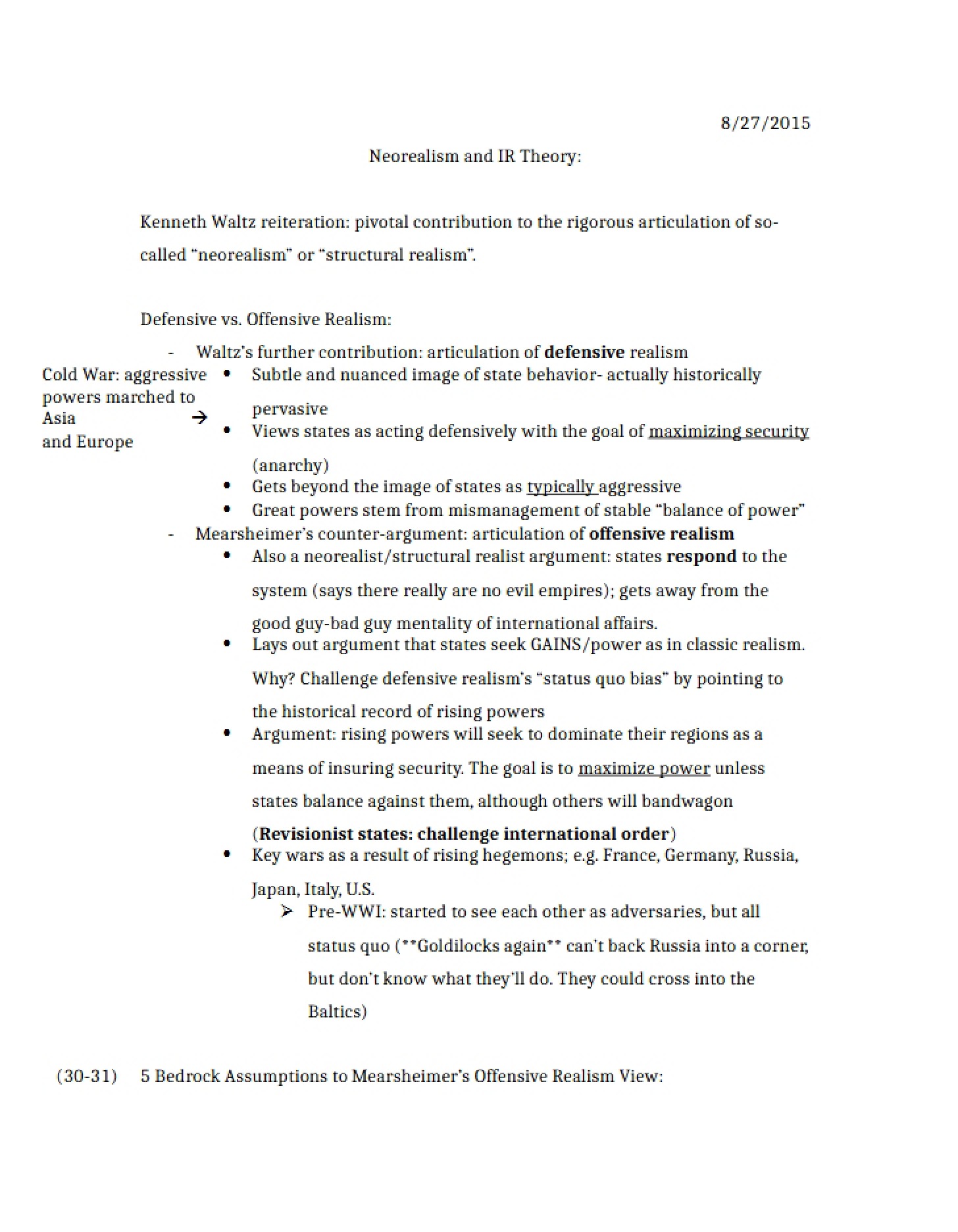
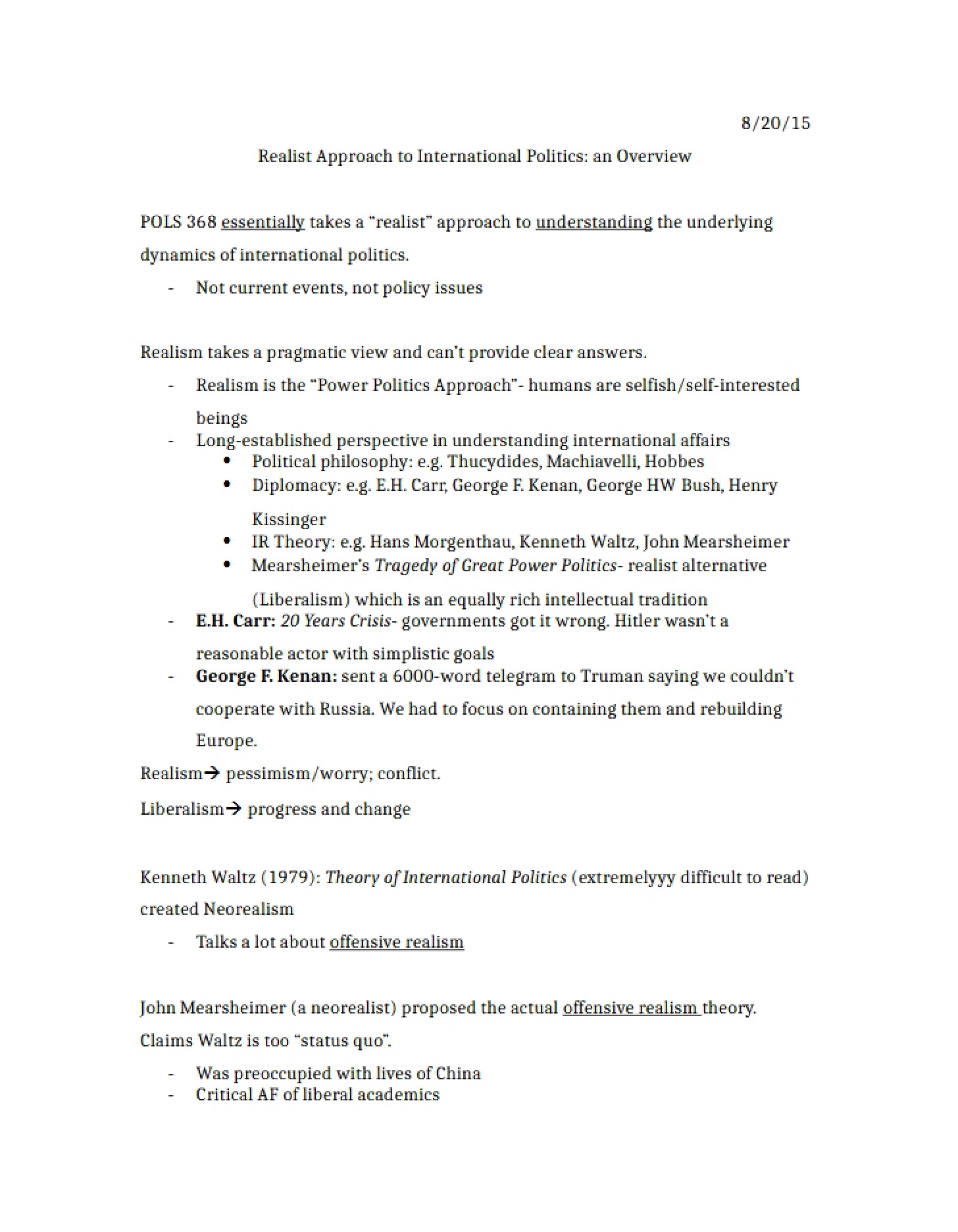
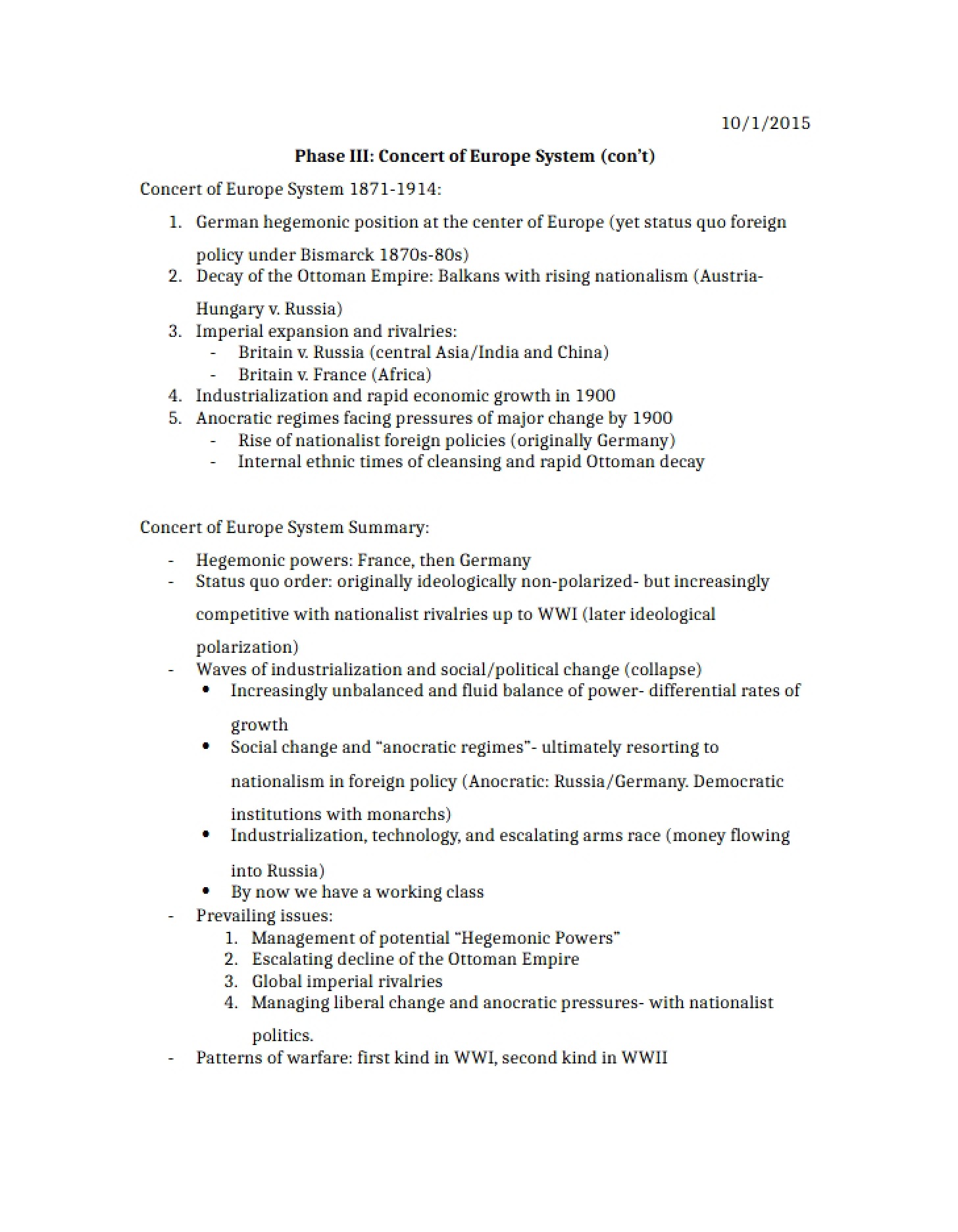
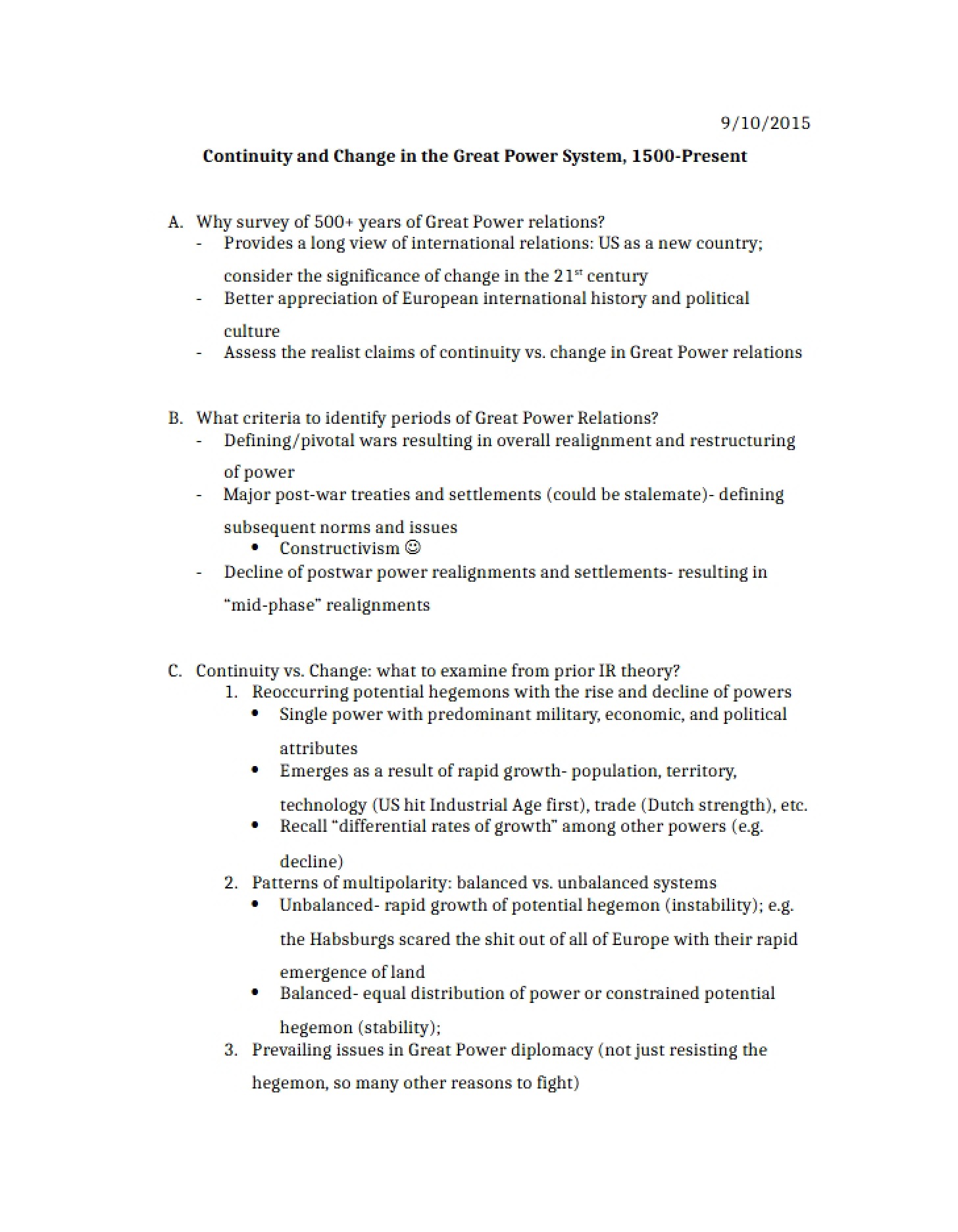
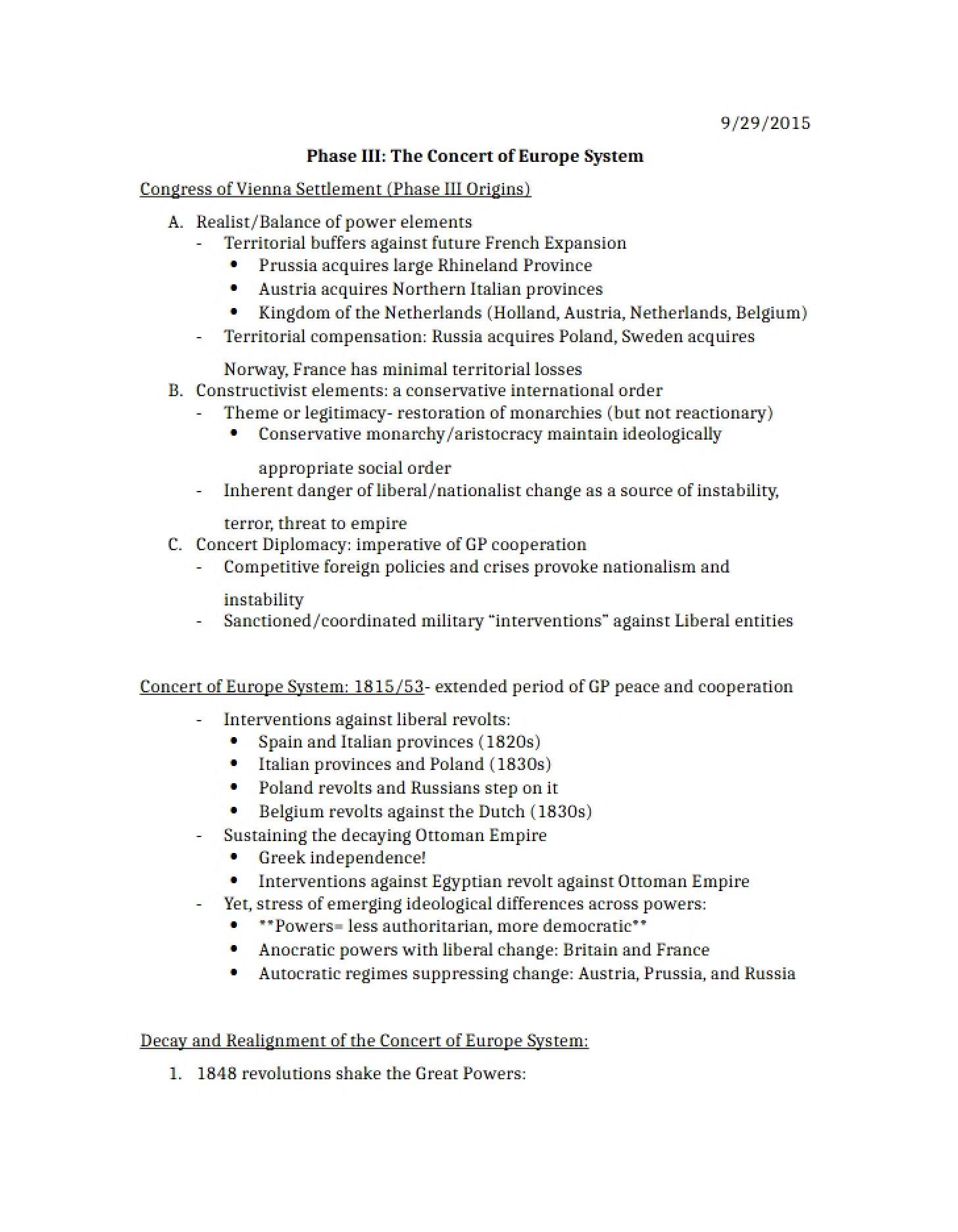
These are lecture notes from a Politics of War and Peace course (POLS 368) at West Virginia University, dated October 20, 2015. The core focus is on understanding the complex factors that contribute to the *onset* of warfare, moving beyond simple explanations to explore deeper systemic and political dynamics. It examines historical cases of major conflicts – spanning centuries – as illustrative examples for broader theoretical frameworks. The notes represent a focused exploration of how wars begin, rather than their conduct or consequences.
Why This Document Matters
Students enrolled in courses on international relations, war and peace studies, or political history will find these notes particularly valuable. They are ideal for those seeking to deepen their understanding of the causes of war beyond superficial narratives. These notes can be used to supplement textbook readings, prepare for class discussions, or build a foundation for research papers examining the origins of specific conflicts. Anyone grappling with the question of *why* nations go to war will benefit from the analytical approach presented here.
Common Limitations or Challenges
These notes represent a single lecture’s content and therefore offer a specific, focused perspective. They do not provide a comprehensive history of the wars mentioned, nor do they cover every theory of war causation. The notes are designed to stimulate critical thinking and analysis, and will require further research and independent study to fully grasp the nuances of the subject matter. They do not offer definitive “answers” but rather a framework for understanding complex historical events.
What This Document Provides
* An overview of four distinct historical cases selected for analysis: World War II, World War I, the French Revolutionary/Napoleonic Wars, and the Crimean War.
* Exploration of the relationship between long-term systemic changes and the outbreak of war.
* Discussion of the role of domestic political factors in influencing a nation’s path toward conflict.
* Introduction to key theoretical concepts related to war initiation, including the importance of timelines and crisis dynamics.
* Consideration of different models for understanding how states escalate toward war, including concepts of deterrence and conflict spirals.