What This Document Is
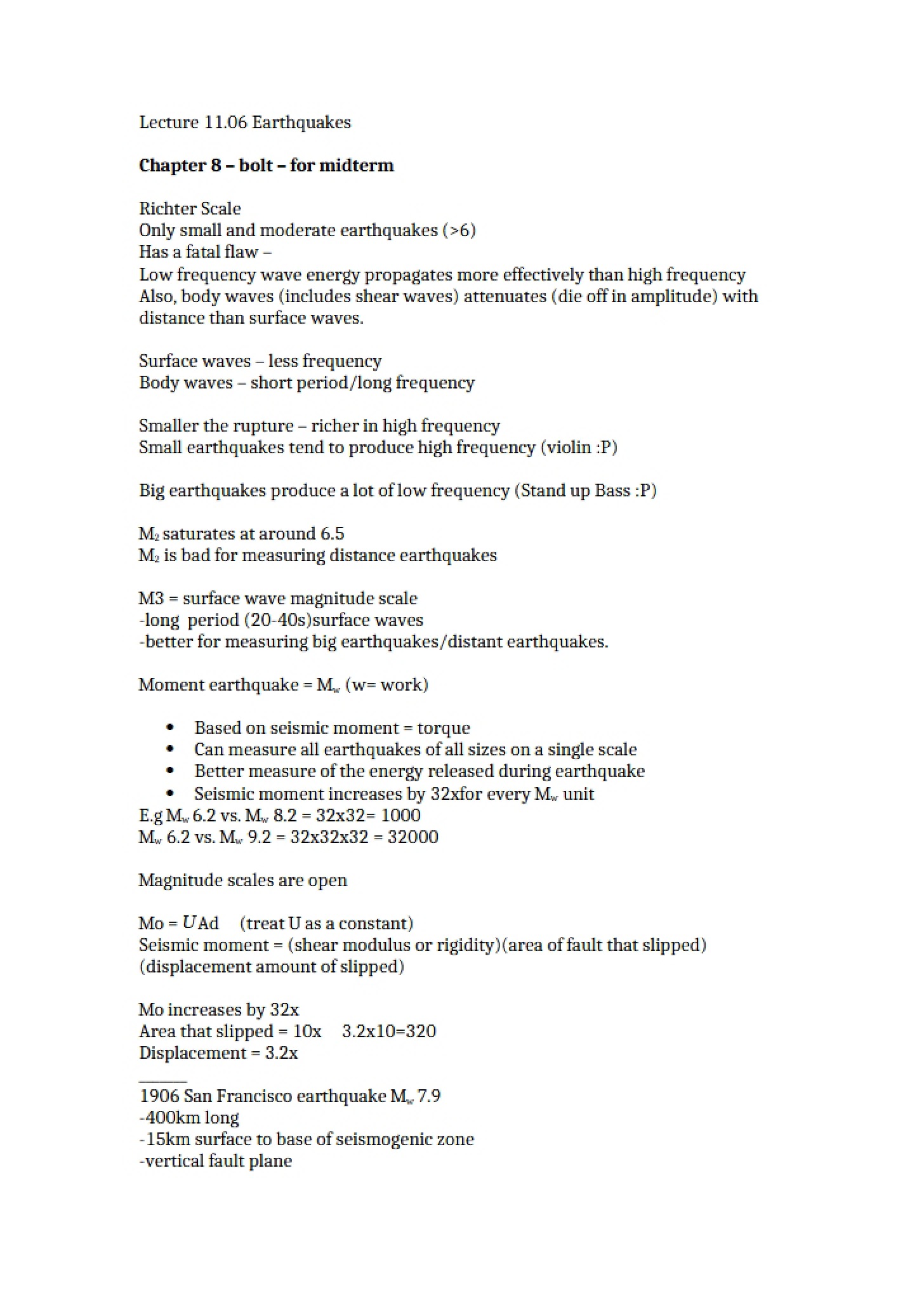
This study guide provides a focused overview of key concepts related to the science of earthquakes, specifically within the context of the western United States – and California in particular. It delves into the geological factors contributing to seismic activity, the behavior of different types of faults, and the impact of local geological conditions on earthquake effects. It also touches upon building and infrastructure considerations in earthquake-prone regions. This material is designed to supplement lectures and readings for an upper-level undergraduate course in geology.
Why This Document Matters
Students enrolled in a geophysics or earthquake-focused course will find this resource particularly valuable. It’s ideal for reinforcing understanding after lectures, preparing for quizzes and exams, or gaining a deeper grasp of the complex interplay between tectonic forces and regional vulnerabilities. Professionals in fields like civil engineering, urban planning, or emergency management working in seismically active areas may also benefit from a review of these foundational principles. This guide is most effective when used *in conjunction* with course materials and further research.
Common Limitations or Challenges
This study guide is not a substitute for a comprehensive textbook or direct instruction. It presents a curated set of notes and review points, but does not offer exhaustive coverage of every aspect of earthquake science. It focuses on principles and observations, and does not include detailed mathematical derivations or advanced modeling techniques. Furthermore, it does not provide real-time seismic data or current hazard assessments.
What This Document Provides
* An overview of plate tectonics and its relationship to earthquake occurrence.
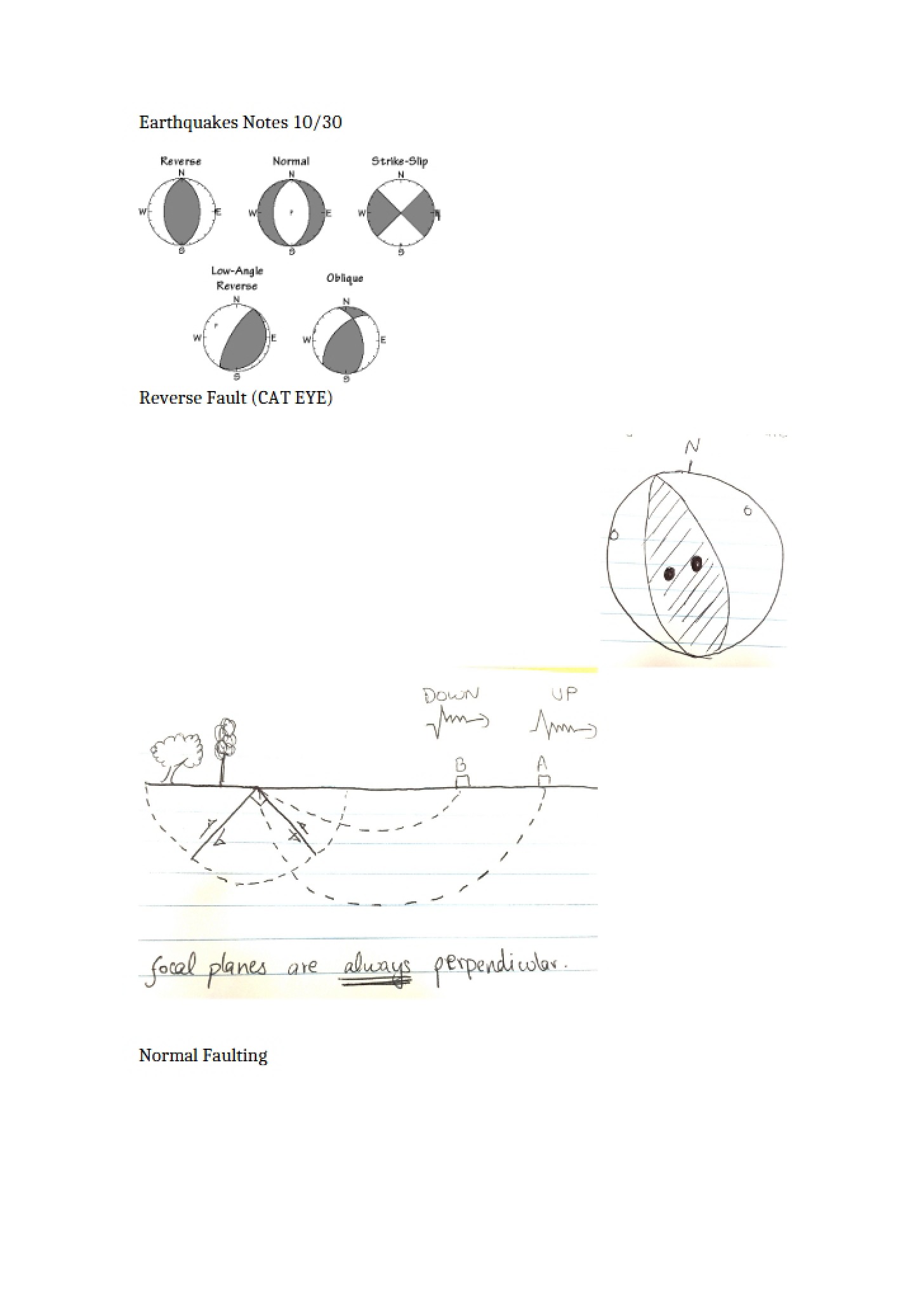
* Discussion of different fault types and their characteristic behaviors.
* Examination of how local soil conditions influence earthquake intensity and damage.
* Considerations regarding the impact of geological features on seismic risk.
* Insights into building design and structural vulnerabilities during earthquakes.
* Review of historical earthquake events and their associated aftershock patterns.