What This Document Is
This document comprises lecture notes from Week Seven of IR 316: Gender and Global Issues at the University of Southern California. It delves into the complex intersections of gender, violence, and international relations, moving beyond traditional understandings of conflict and security. The lecture explores how gendered norms and expectations shape experiences of violence – both in times of war and peace – and how these dynamics are often interwoven with broader political and social structures. It challenges conventional perspectives on both perpetrators and victims of violence, and examines the ways in which ideas about masculinity and femininity are constructed and utilized in global contexts.
Why This Document Matters
Students enrolled in IR 316, or those studying related fields like political science, international studies, gender studies, or peace and conflict resolution, will find these notes particularly valuable. They are best utilized as a companion to class discussions and assigned readings, helping to solidify understanding of core concepts. This material is especially helpful when preparing for more in-depth analysis of the relationship between gender and global events, and for formulating critical arguments about the causes and consequences of conflict. It’s a strong foundation for anyone seeking a nuanced understanding of how gender operates as a critical lens in international affairs.
Common Limitations or Challenges
These lecture notes represent a single class session and therefore do not offer a comprehensive overview of the entire course. They are designed to *supplement* – not replace – required readings and active participation in class. The notes capture key themes and points of discussion, but lack the full context of the lecture’s delivery and associated dialogue. They do not include detailed case studies or empirical data presented during the lecture.
What This Document Provides
* Exploration of the connections between domestic violence and broader patterns of global violence.
* Discussion of how gendered assumptions influence perceptions of violence and its justification.
* Analysis of the role of gender in wartime contexts, including the targeting of civilians.
* Examination of the concepts of “positive” and “negative” peace and their relationship to gender equality.
* Introduction to key theoretical frameworks for understanding gender and violence in international relations.
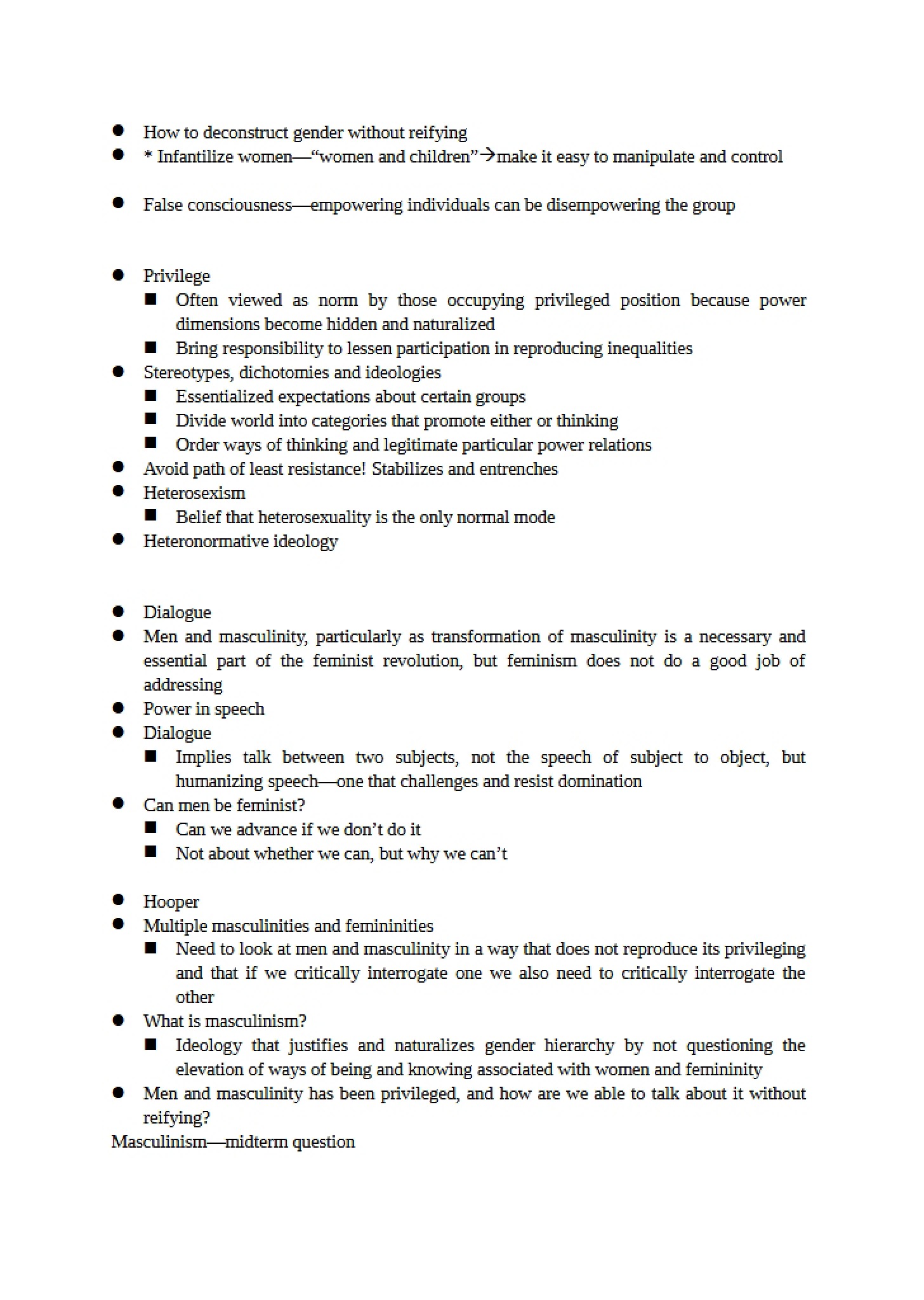
* Consideration of the ways in which masculinity and femininity are socially constructed and politically utilized.