What This Document Is
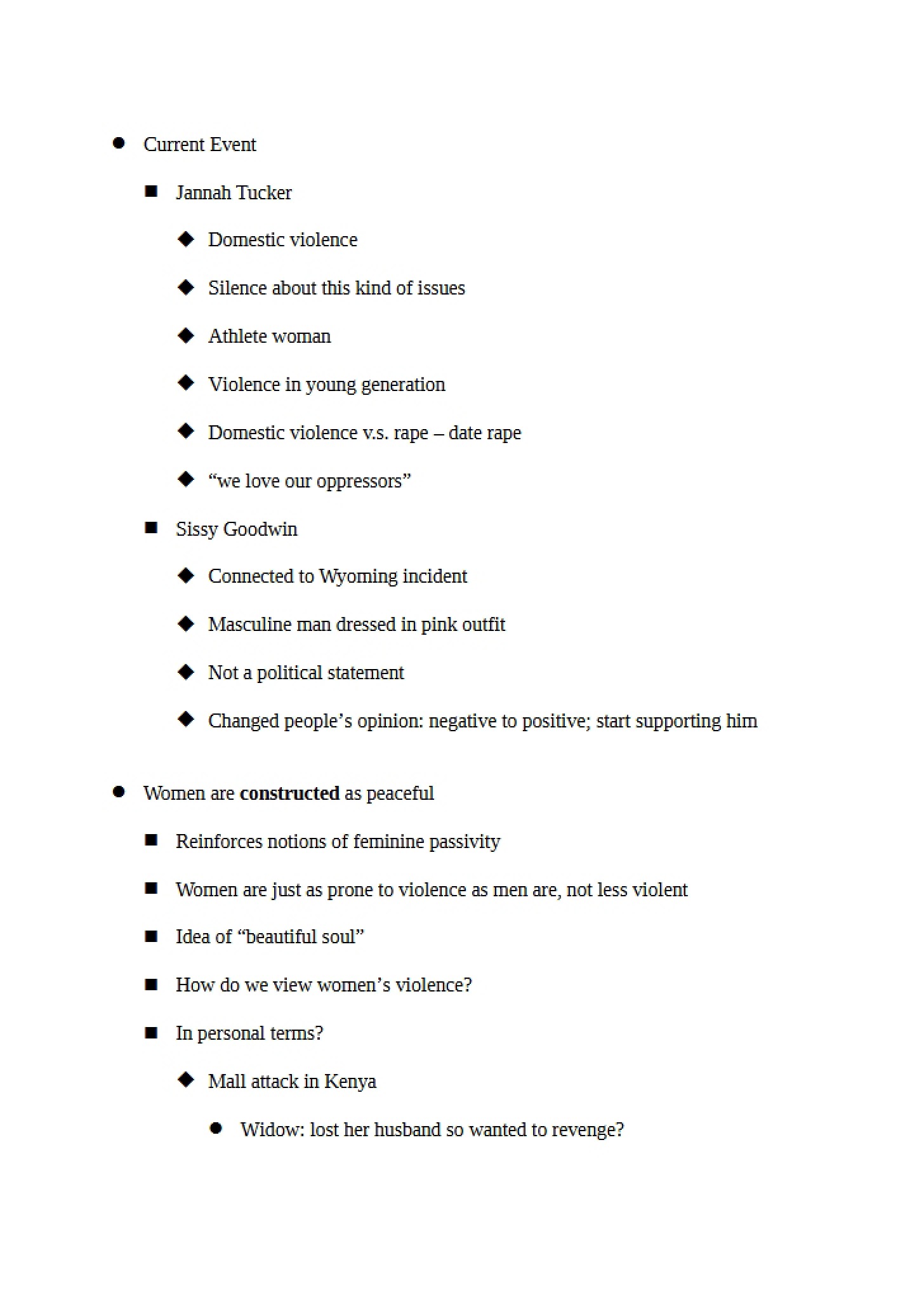
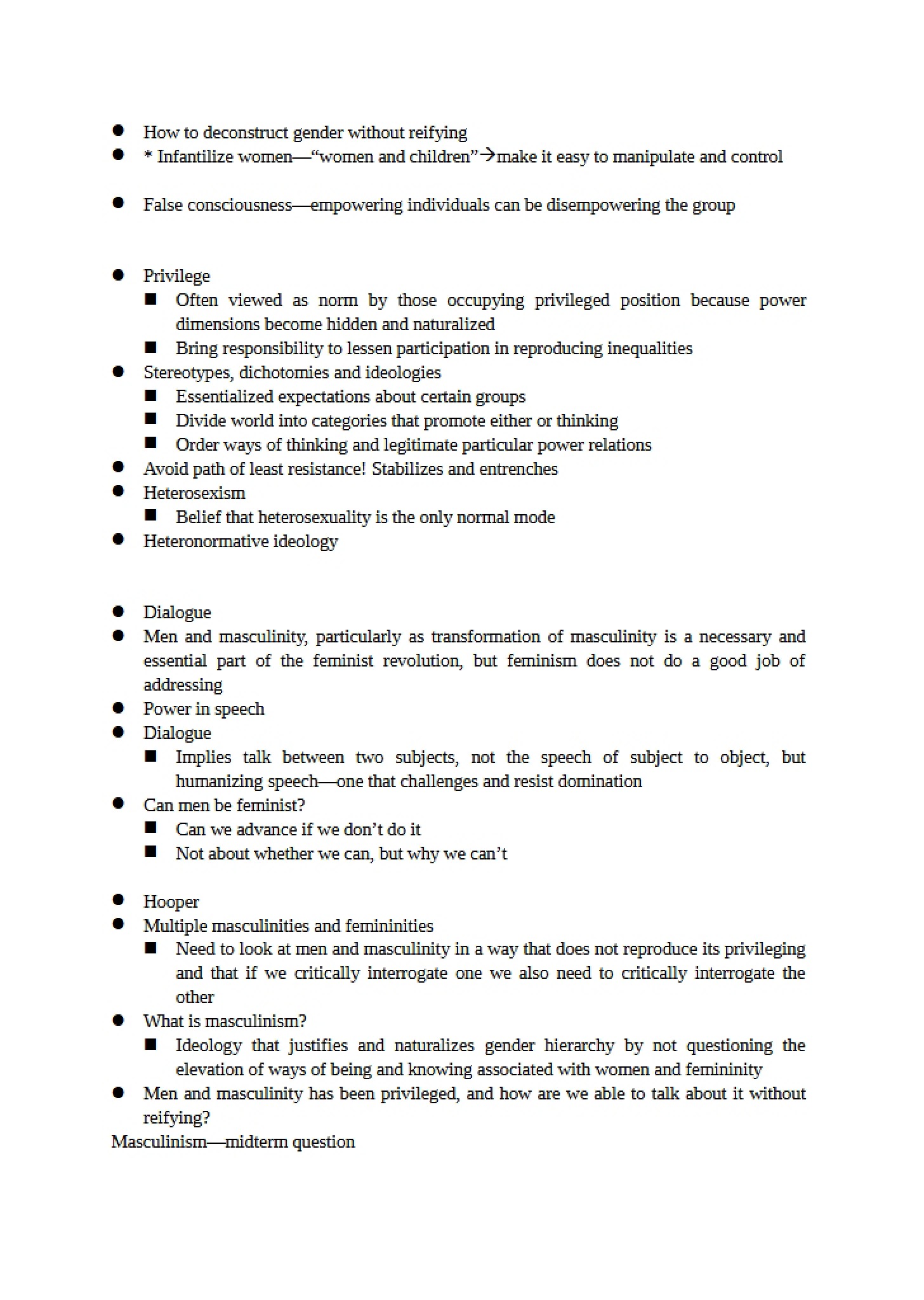
This material represents lecture notes from IR 316: Gender and Global Issues at the University of Southern California, specifically focusing on the complex topic of security. It delves into theoretical frameworks used to understand international security, and critically examines conventional approaches through a gendered lens. The notes explore how traditional security studies might overlook crucial dimensions of conflict, stability, and the experiences of diverse populations. It’s a focused exploration of security *theory*, not a report on current events or policy recommendations.
Why This Document Matters
Students enrolled in courses on international relations, security studies, gender studies, or peace and conflict resolution will find this resource particularly valuable. It’s ideal for those seeking a deeper understanding of feminist perspectives within the field of international security. This material can be used to supplement assigned readings, prepare for class discussions, or build a foundation for research papers exploring the intersection of gender and global politics. Anyone grappling with the limitations of mainstream security approaches will benefit from the alternative viewpoints presented here.
Common Limitations or Challenges
This resource is a snapshot of course material from Fall 2013 and represents one instructor’s approach to the subject. It does *not* offer a comprehensive overview of all feminist security studies scholarship, nor does it provide current policy analysis or case studies. It focuses on theoretical underpinnings and critical analysis, and won’t provide ready-made answers to complex security challenges. It’s designed to stimulate thought and encourage further investigation, not to be a standalone source of information.
What This Document Provides
* An exploration of how core security concepts are understood and challenged by feminist thought.
* A critical examination of established international relations theories, such as Realism, from a gender perspective.
* Discussion of the relationship between gender, power, and violence in the context of international security.
* Insights into the role of masculinity and femininity in shaping security dynamics.
* Consideration of the impact of military presence on local communities and social structures.