What This Document Is
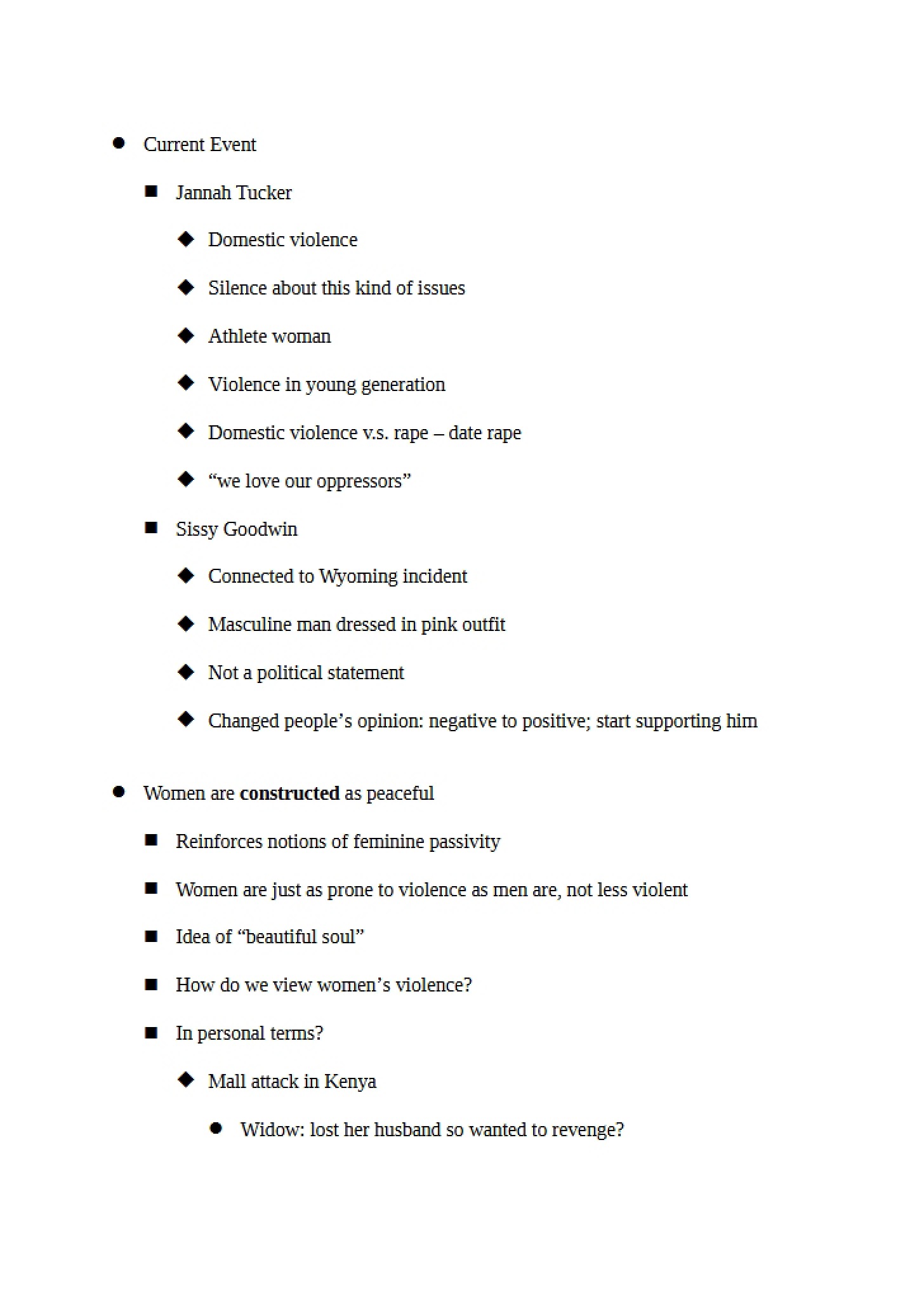
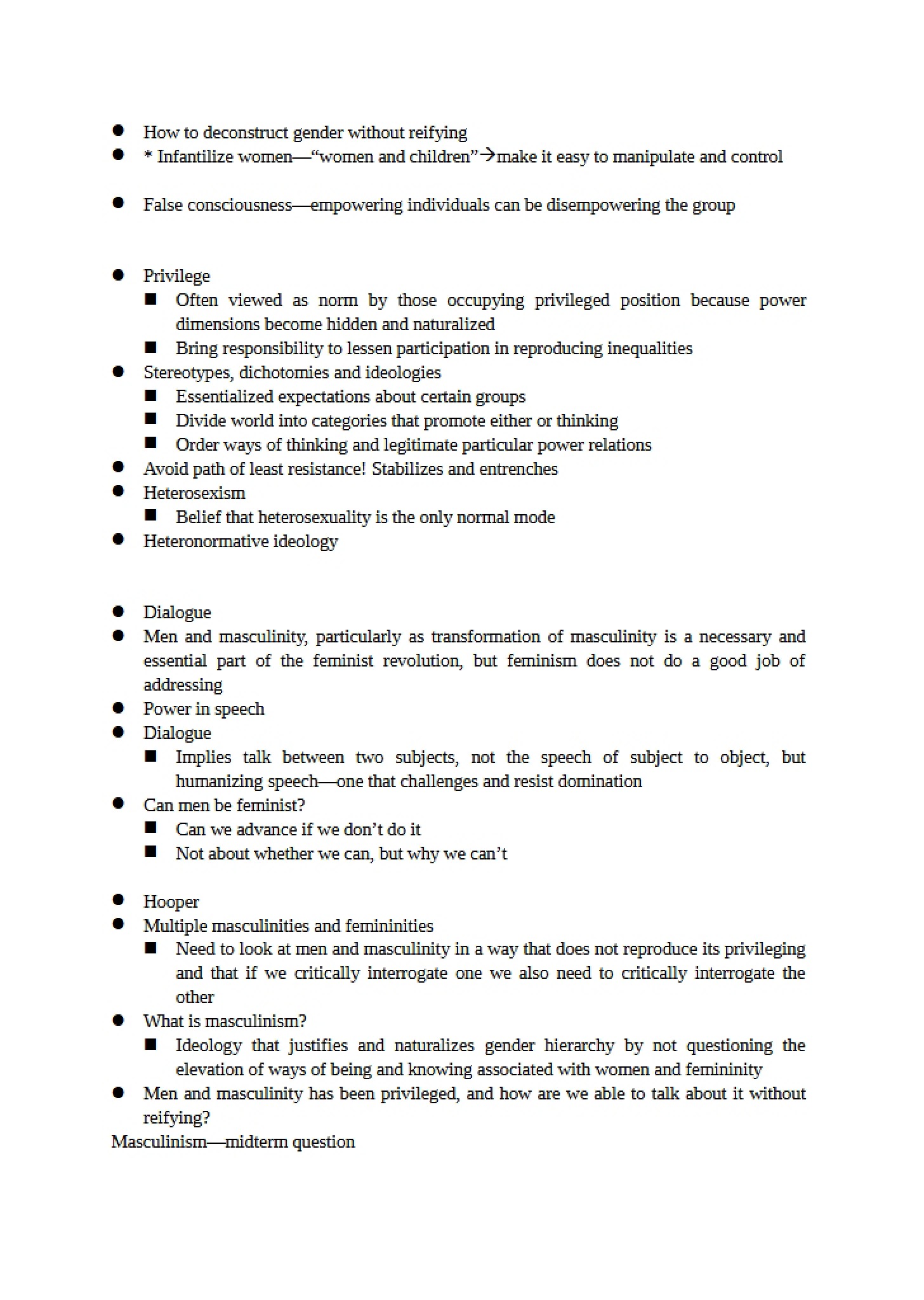
This material represents lecture notes from Week Nine of IR 316: Gender and Global Issues at the University of Southern California. It delves into complex intersections of gender, labor economics, and societal expectations, exploring how these factors manifest globally. The lecture appears to critically examine prevailing narratives surrounding economic disparities and challenges conventional understandings of wage gaps. It also introduces considerations relating to gender identity and sexual orientation within broader socio-economic frameworks. The notes touch upon current events and case studies to illustrate key concepts.
Why This Document Matters
Students enrolled in Gender and Global Issues, or related courses in International Relations, Sociology, or Women’s Studies, will find this resource particularly valuable. It’s ideal for reinforcing lecture comprehension, preparing for class discussions, and building a foundation for research papers or projects. Individuals interested in understanding the systemic factors contributing to economic inequality, and the role of gender and identity in these systems, will also benefit. Reviewing these notes *before* an exam can help identify areas needing further study, but remember this is a single lecture’s content.
Common Limitations or Challenges
These notes represent a single lecture and therefore offer a focused, rather than exhaustive, treatment of the topics covered. They are designed to *supplement* course readings and discussions, not replace them. The notes are not a self-contained learning module and will be most effective when used in conjunction with other course materials. Specific data points, detailed case analyses, and definitive conclusions are not fully presented here – access to the full lecture content is required for a complete understanding.
What This Document Provides
* Exploration of the economic valuation of traditionally “feminine” labor.
* Discussion points surrounding the complexities of pay equity and potential contributing factors.
* Consideration of the impact of societal roles and expectations on career trajectories.
* Introduction to the challenges faced by individuals with diverse gender identities and sexual orientations in the workplace.
* Examination of the role of media and public perception in shaping understandings of gender-related issues.
* References to real-world events used to contextualize theoretical concepts.