What This Document Is
This document presents a focused exploration of logic optimization techniques, specifically within the context of technology-dependent design for digital systems. It delves into the critical process of transforming and refining digital circuits to meet performance goals, considering the constraints and capabilities of specific manufacturing technologies. This material originates from ELENG 244, a course on Fundamental Algorithms for Systems Modeling and Analysis at the University of California, Berkeley, and was prepared by Professor Kurt Keutzer.
Why This Document Matters
This resource is invaluable for students and professionals involved in digital circuit design, VLSI systems, and related fields. It’s particularly relevant when you need a deeper understanding of how to translate high-level circuit descriptions into efficient physical implementations. Anyone working with ASIC design, FPGA development, or seeking to optimize circuit performance for area, speed, and power consumption will find this a useful study aid. It’s best utilized during coursework on logic design, digital systems, or when preparing for projects involving technology mapping and optimization.
Topics Covered
* Technology-independent vs. Technology-dependent optimization strategies
* The role of technology libraries in the optimization process
* Combinational logic optimization techniques
* Cost modeling and its impact on design choices
* Library cell characteristics (timing, area, power)
* Historical context of technology mapping approaches
* The concept of DAG covering for circuit representation
* Optimization goals related to area, delay, and power
What This Document Provides
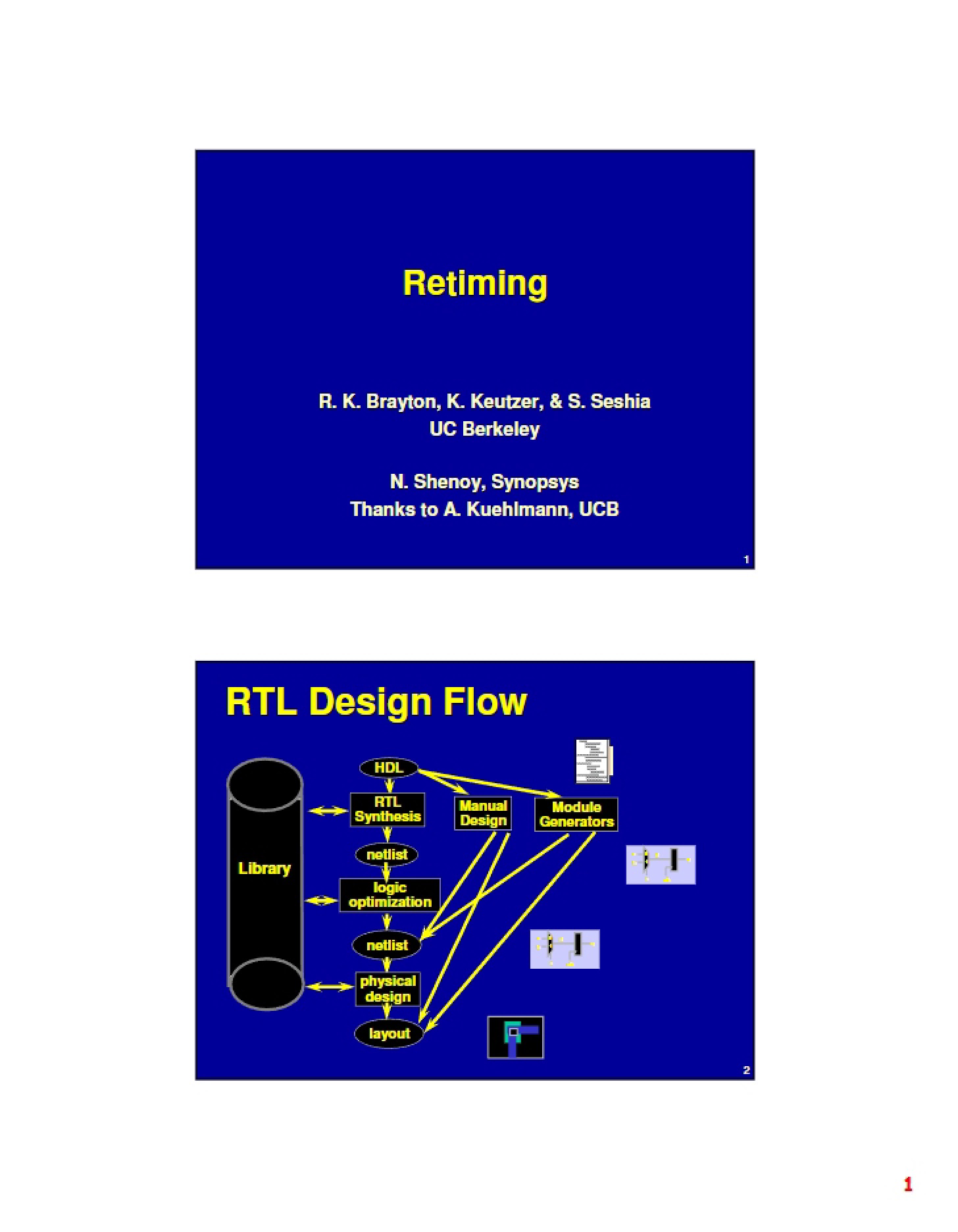
* A framework for understanding the logic optimization process within a broader RTL design flow.
* An overview of the characteristics and components of a typical technology library.
* Discussion of the challenges and evolution of technology mapping techniques.
* Insights into the trade-offs involved in selecting and utilizing different library cells.
* A foundational understanding of how to approach the problem of mapping a circuit onto a specific technology.