What This Document Is
This study guide delves into the core principles of management, specifically designed for students in a Principles of Management course – like MGMT 371 at the University of South Carolina. It explores the foundational theories and models that underpin effective organizational leadership and decision-making. The material focuses on understanding *how* managers approach problems and build successful teams, rather than providing prescriptive solutions. It bridges the gap between theoretical frameworks and practical application within a business context.
Why This Document Matters
This resource is ideal for students seeking a comprehensive overview of management thought. It’s particularly useful when preparing for quizzes, exams, or class discussions. Individuals aiming to improve their understanding of organizational behavior, decision-making processes, and the historical evolution of management practices will find this guide invaluable. It’s also a strong foundation for those considering a career in management or leadership roles, offering insight into the complexities of guiding teams and achieving organizational goals.
Common Limitations or Challenges
This guide provides a theoretical framework for understanding management principles. It does *not* offer case studies, real-world applications, or detailed problem-solving exercises. It’s designed to build conceptual understanding, not to provide ready-made answers. Furthermore, it doesn’t cover every single nuance within the field of management; it focuses on key concepts and foundational models. Access to the full resource is required for in-depth analysis and practical examples.
What This Document Provides
* An exploration of different decision-making models – including both ideal approaches and the realities of cognitive limitations.
* Discussion of factors that can influence managerial judgment and lead to biases.
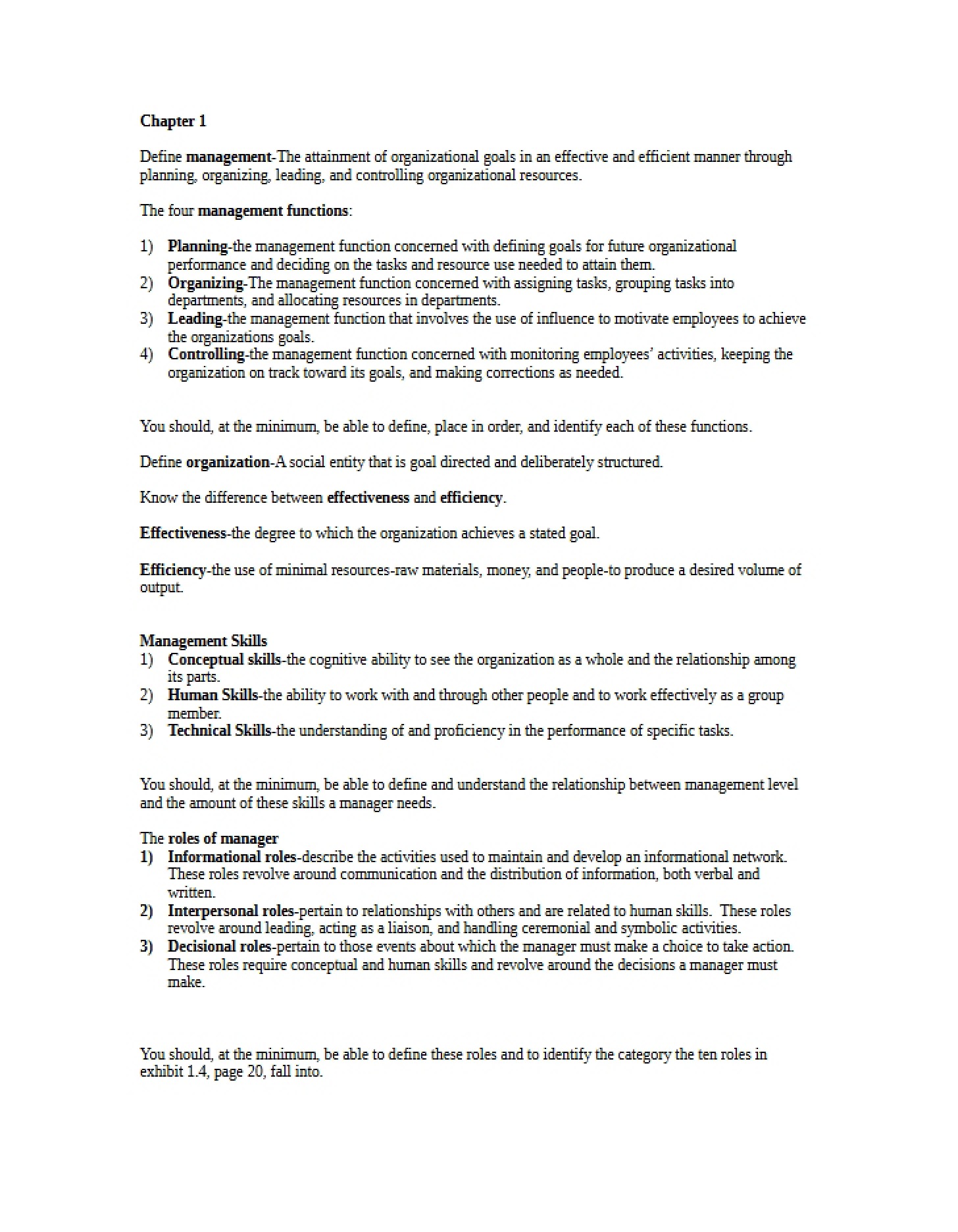
* A breakdown of the four fundamental functions of management: planning, organizing, leading, and controlling.
* An overview of major “schools” of management thought, from classical to contemporary perspectives.
* Insights into how cultural values can impact management practices across different nations.
* Examination of differing beliefs about employee motivation and their impact on leadership styles.