What This Document Is
This document provides a foundational overview of research methods and introductory concepts within the field of Social Psychology, specifically tailored for students at the University of Illinois at Urbana-Champaign (PSYC 201). It’s designed as a comprehensive resource exploring how social psychologists approach the study of human behavior, moving beyond everyday assumptions to employ rigorous scientific investigation. The material delves into the core principles guiding research in this discipline and the importance of a scientist-practitioner approach.
Why This Document Matters
This resource is invaluable for students beginning their journey into Social Psychology. It’s particularly helpful for those seeking to understand the underlying logic of research studies, critically evaluate psychological claims, and develop a strong foundation for more advanced coursework. It’s ideal for use during the initial stages of a Social Psychology course, when grasping research methodologies is crucial, or as a refresher before exams focusing on research design. Students preparing to conduct their own research will also find it beneficial.
Common Limitations or Challenges
This document focuses on *how* social psychological research is conducted and the theoretical underpinnings of various methods. It does not provide detailed statistical analyses or step-by-step instructions for carrying out specific experiments. It also doesn’t offer interpretations of specific research findings – its purpose is to equip you with the tools to interpret findings yourself. Access to the full document is required to explore the specific examples and detailed explanations presented.
What This Document Provides
* An exploration of the value and importance of social psychological research.
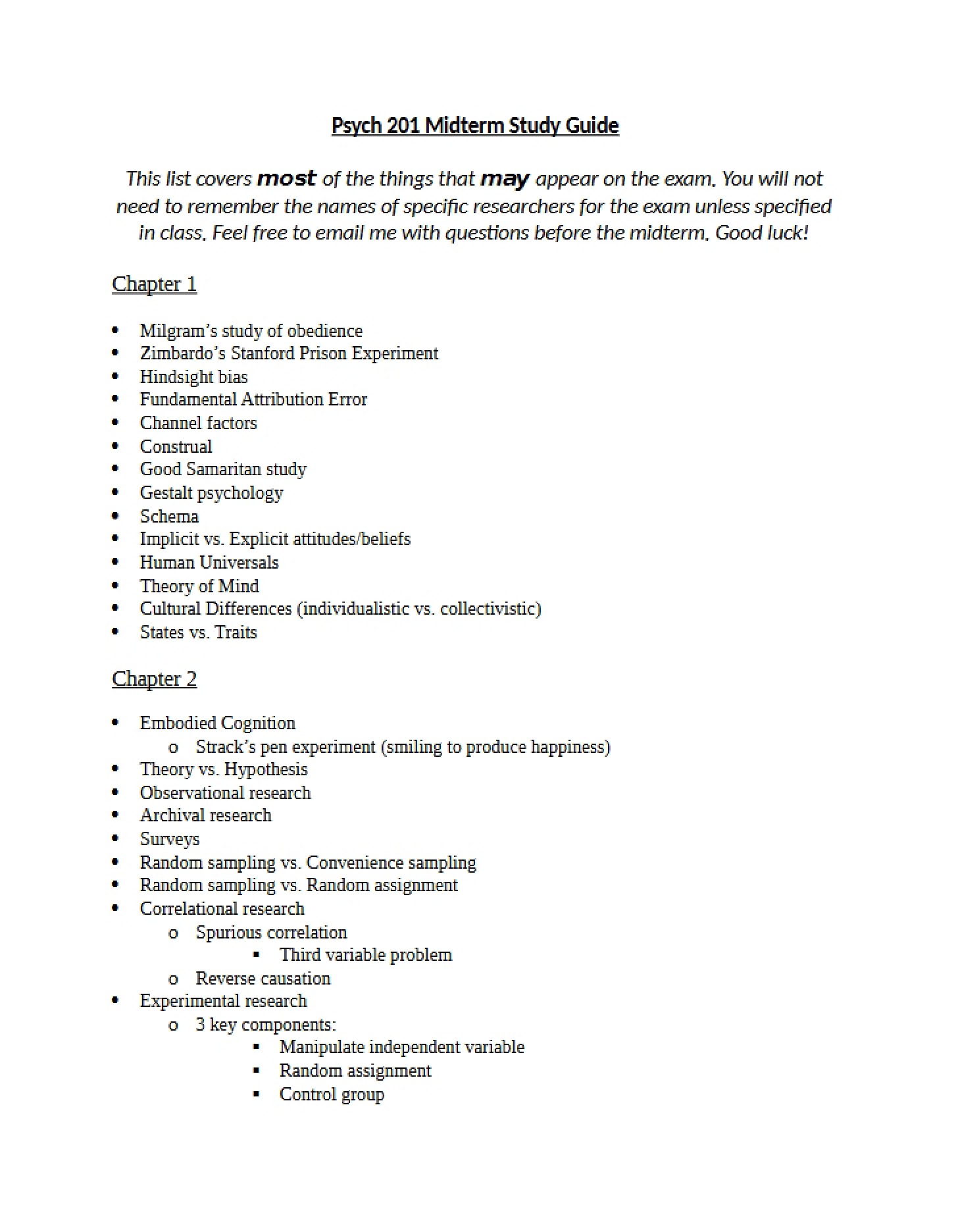
* A breakdown of the key differences between theories and hypotheses.
* An overview of various research approaches used in social psychology, including observational, archival, survey, correlational, and experimental methods.
* Discussion of ethical considerations vital to conducting responsible social psychological research.
* Illustrative examples to highlight potential pitfalls in research interpretation.
* Opportunities to test your understanding of core concepts.