What This Document Is
This resource provides focused instruction on the critical topic of biasing methods within the field of analog integrated circuits. It appears to be a technical guide, likely originating from course materials, detailing approaches to establishing stable operating points for electronic components. The document utilizes schematic diagrams and references specific hardware components, suggesting a practical, implementation-oriented approach to the subject. It focuses on maintaining proper operational conditions for circuits.
Why This Document Matters
Students enrolled in analog circuit design courses, particularly those at the advanced undergraduate or graduate level, will find this material exceptionally valuable. It’s also beneficial for practicing engineers needing a refresher on fundamental biasing techniques. Understanding biasing is essential for anyone designing, analyzing, or troubleshooting analog circuits, as it directly impacts circuit performance, stability, and reliability. This resource is most useful when you are actively learning about or applying biasing principles to circuit design problems.
Topics Covered
* Different methods for establishing bias conditions in circuits.
* Considerations for component selection and proper installation.
* Maintaining stable operating points under varying conditions.
* Potential issues related to temperature and operational limits.
* References to specific hardware and related documentation.
What This Document Provides
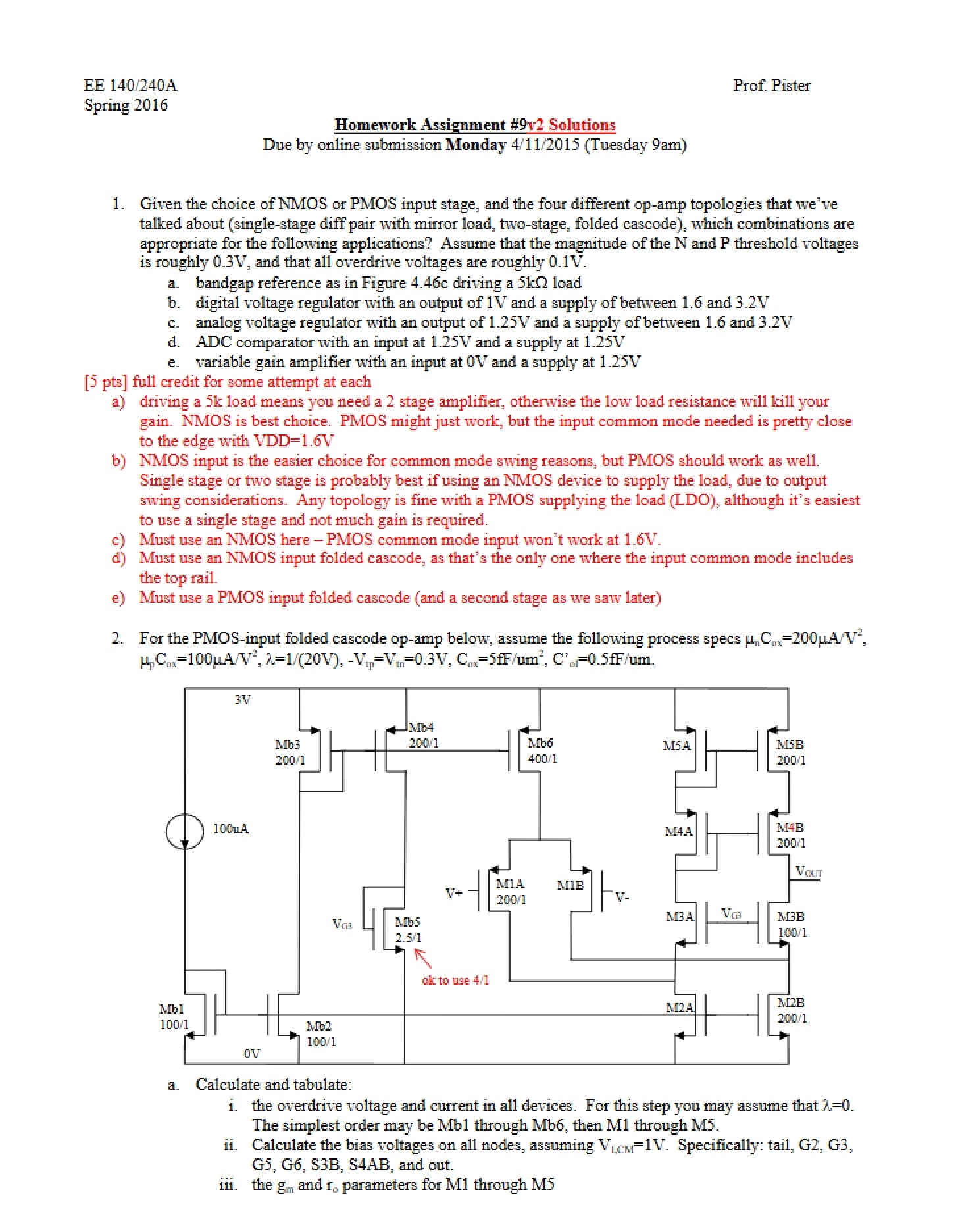
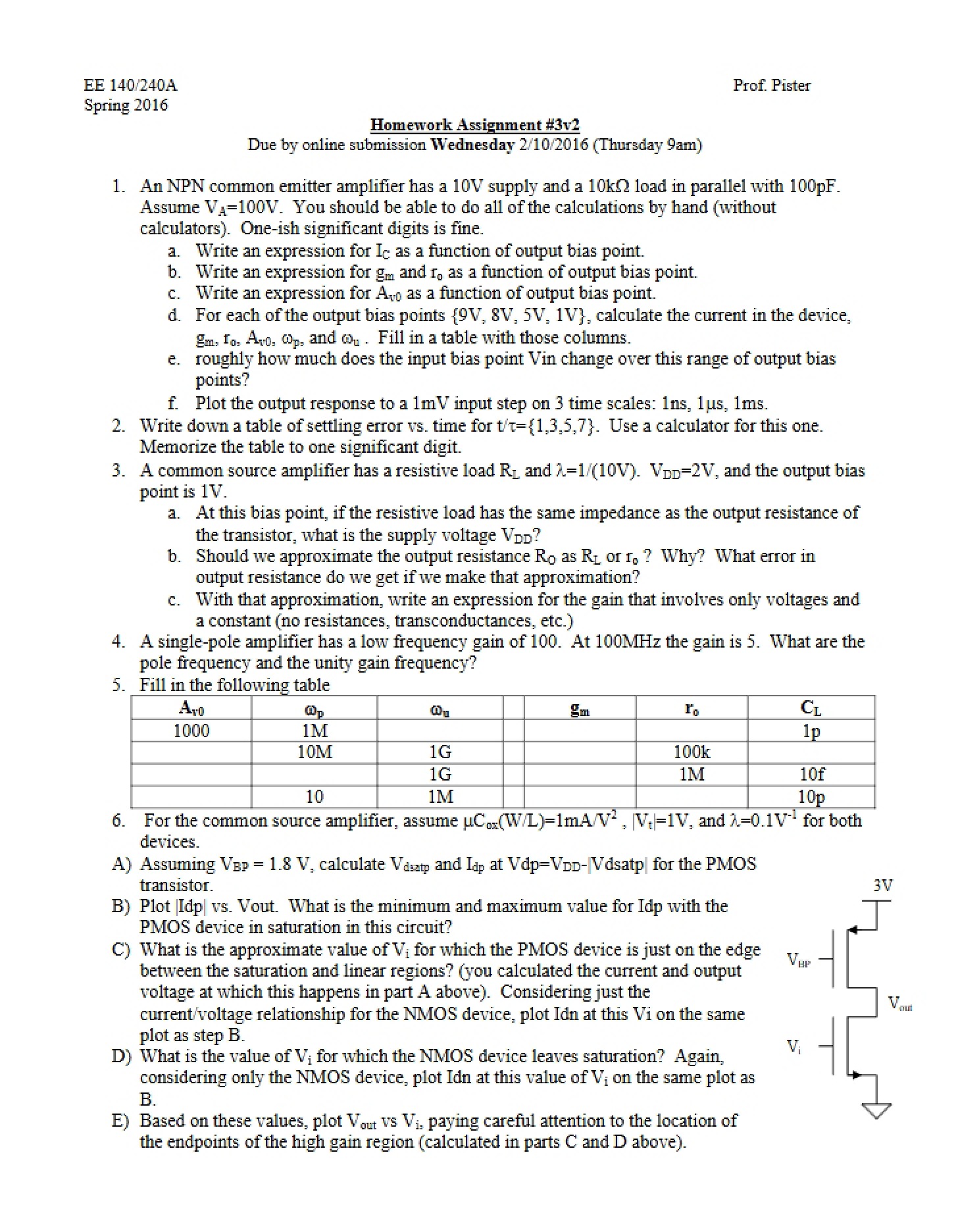
* Schematic diagrams illustrating circuit configurations.
* Notes regarding component tolerances and specifications.
* Installation instructions for specific electronic modules.
* References to external resources for further information.
* Guidance on maintaining optimal operating conditions for sensitive components.