What This Document Is
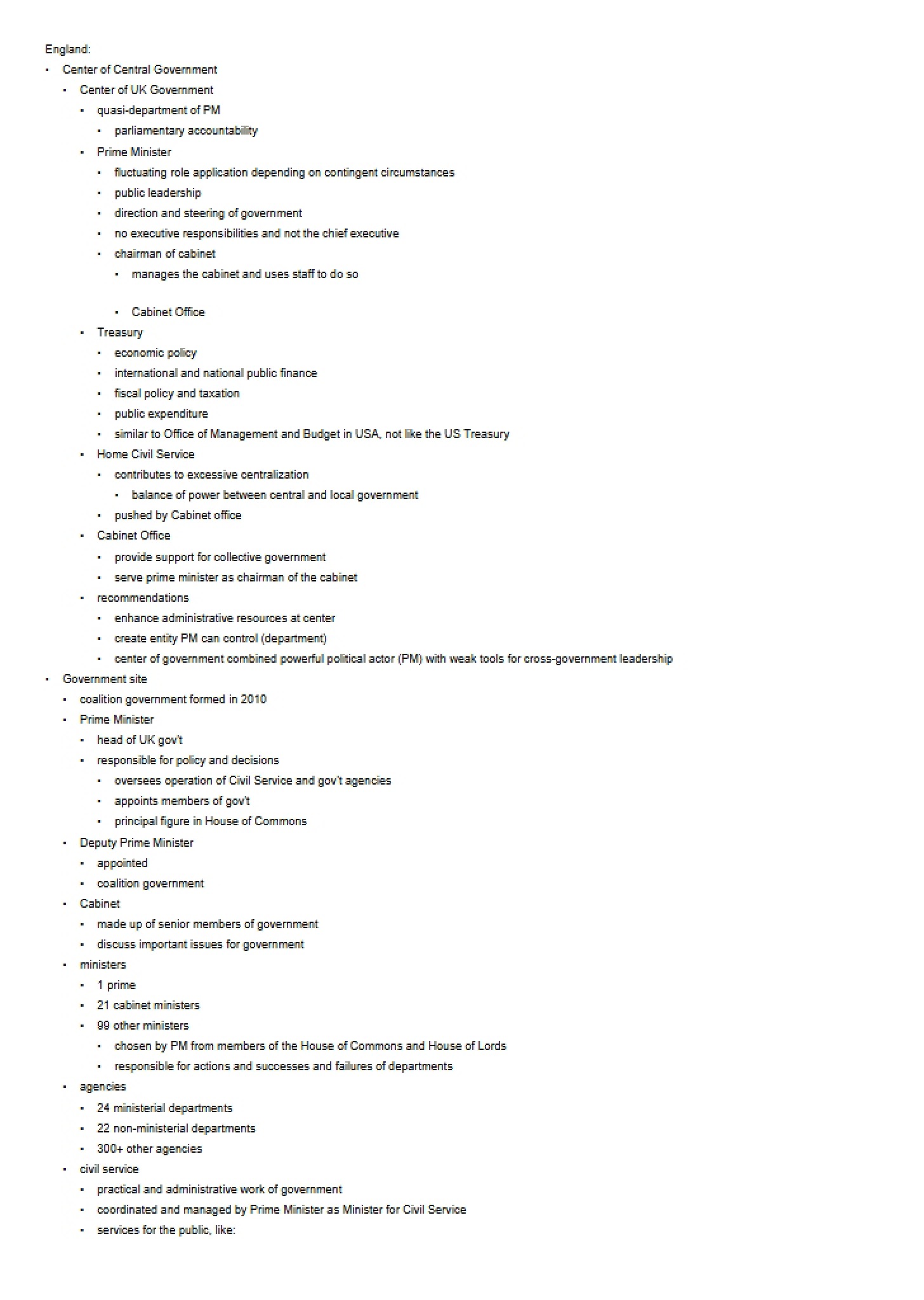
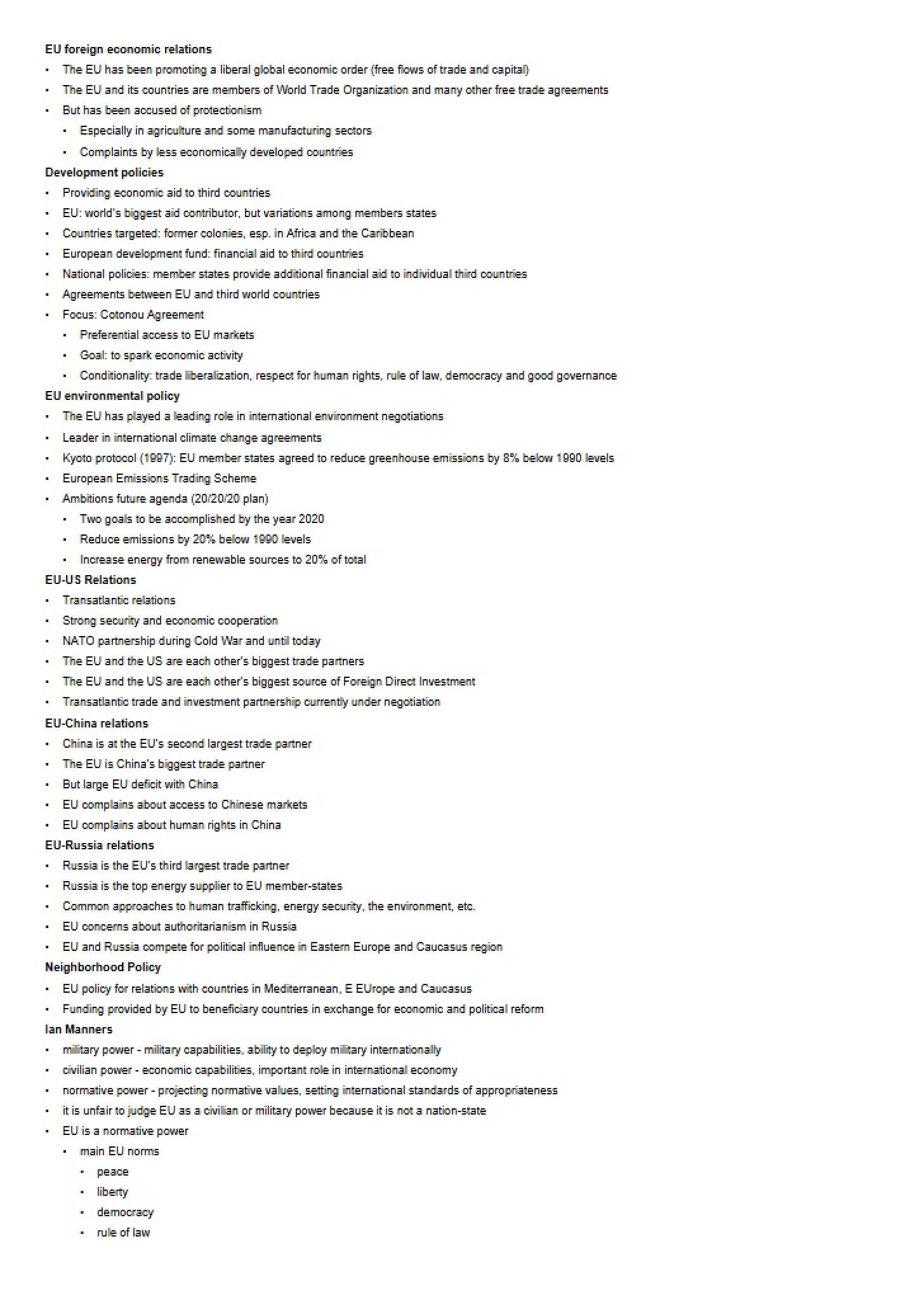
This study guide provides a focused overview of the European Social Model (ESM) and its evolution within Western Europe. It delves into the core tenets of this model – encompassing social welfare provisions, economic policies, and governmental roles – and traces its historical development from the post-World War II era to contemporary reforms. The guide examines variations in the ESM across different nations, highlighting key characteristics of models found in Scandinavia, the UK, Germany, and France. It’s designed to support students navigating the complexities of comparative European politics and policy.
Why This Document Matters
Students enrolled in courses on European Government and Politics, comparative political economy, or social policy will find this resource particularly valuable. It’s ideal for preparing for lectures, supplementing textbook readings, and building a foundational understanding of the welfare state in a European context. Those grappling with the historical forces that shaped modern European societies, and the political debates surrounding social welfare reform, will benefit from the insights contained within. This guide is especially useful when analyzing case studies of specific European nations and their policy choices.
Common Limitations or Challenges
This guide offers a concentrated analysis of the European Social Model. It does *not* provide exhaustive coverage of every European nation’s social policies, nor does it offer detailed statistical data or in-depth economic modeling. It focuses on broad trends and key examples, and does not present a definitive, universally agreed-upon interpretation of the ESM. It also doesn’t include specific policy recommendations or predictions about future developments.
What This Document Provides
* An exploration of the fundamental principles underpinning the European Social Model.
* A comparative analysis of different national welfare state models across Western Europe.
* Historical context regarding the origins and development of the ESM in the post-WWII period.
* Discussion of key reform movements and the political figures associated with them.
* An overview of the factors contributing to challenges and changes within the ESM.
* Identification of central research questions related to welfare state support and variation.