What This Document Is
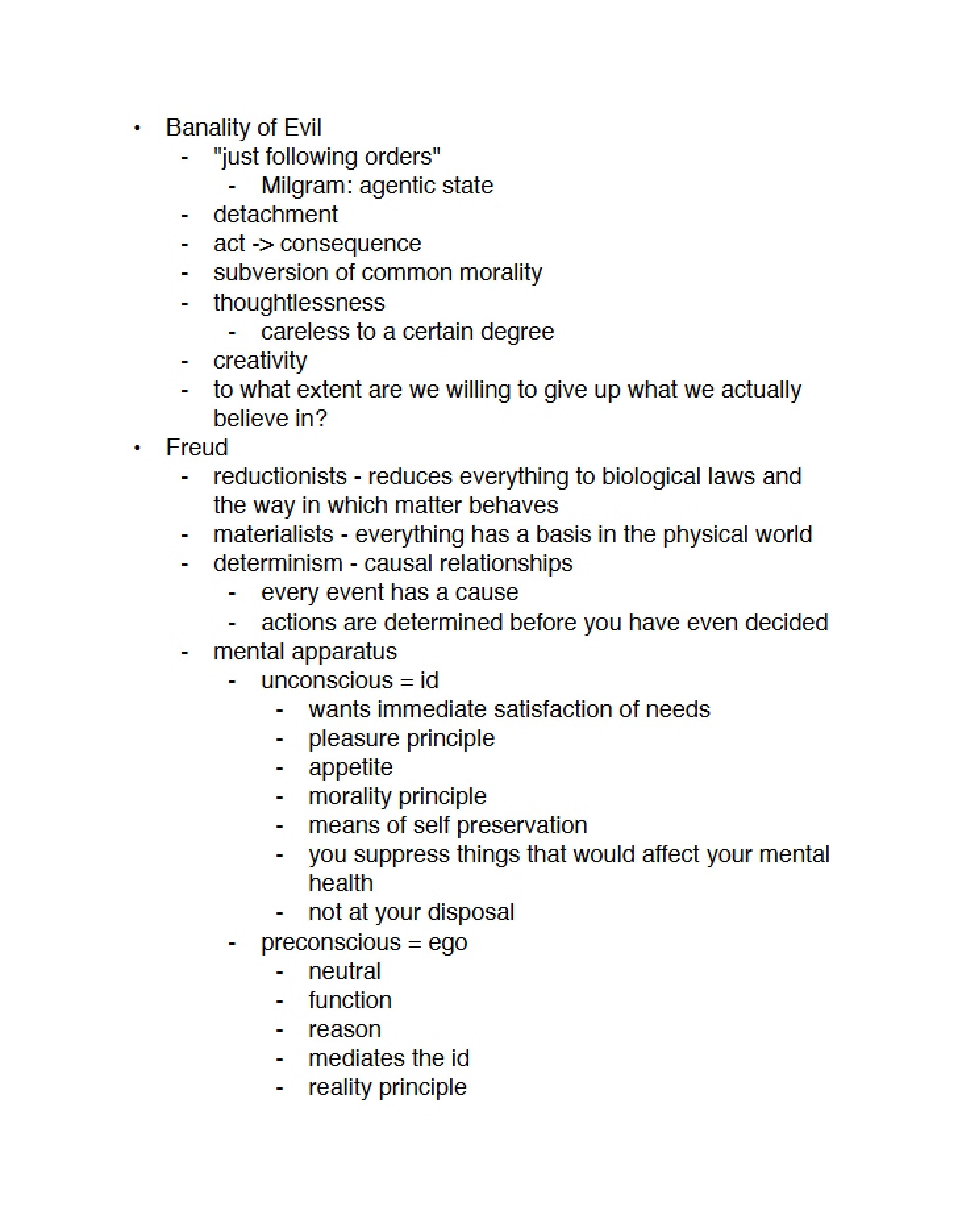
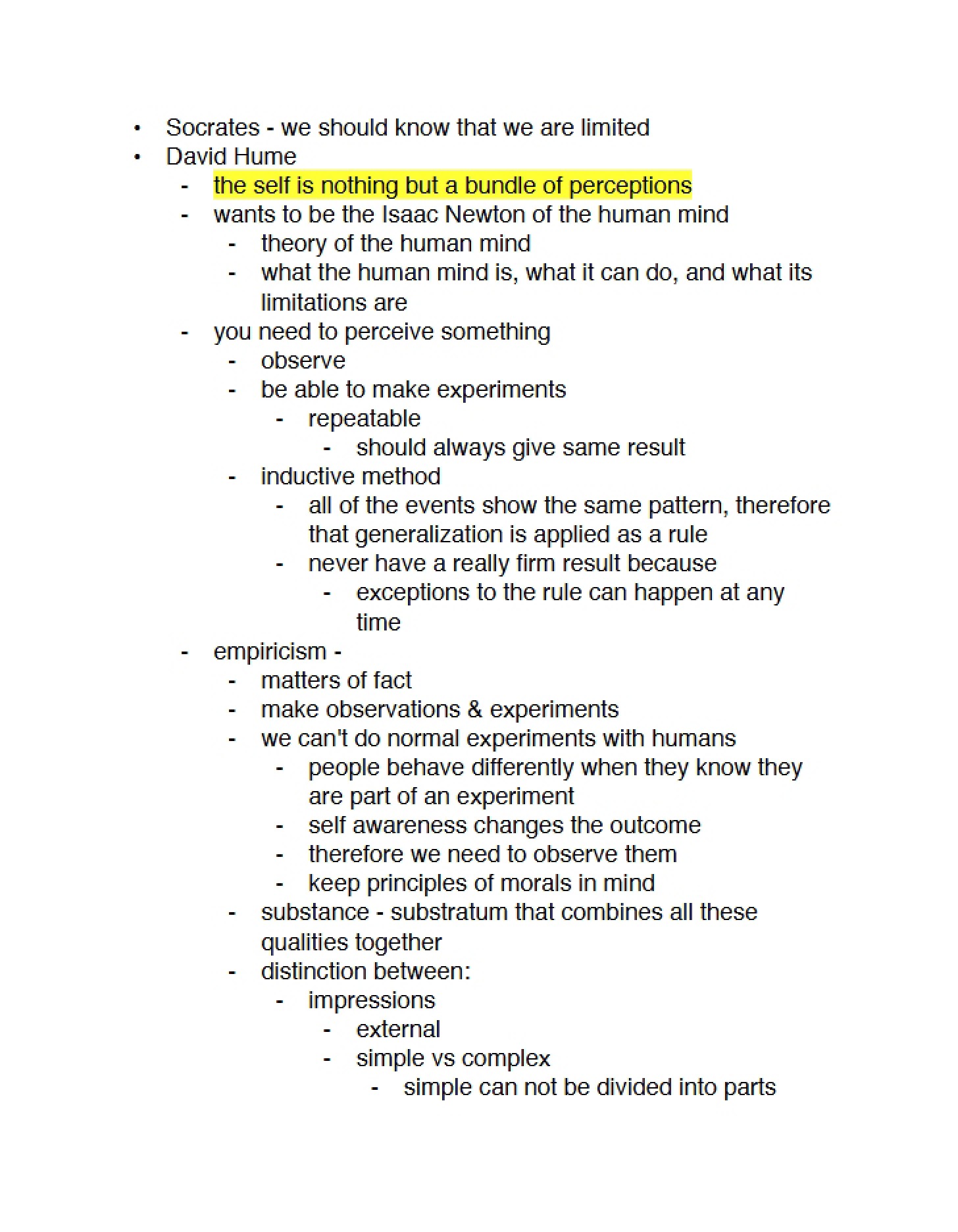
These are lecture notes from a PHIL 211 (Contemporary Moral Issues) course at the University of South Carolina, specifically covering a session held on April 8th. The notes delve into complex philosophical concepts relating to self-awareness, societal structures, and the foundations of value systems. A significant portion focuses on comparing and contrasting the ideas of two major philosophical figures, exploring how their theories address human experience and interaction within the world. The notes bridge abstract thought with tangible aspects of life, such as labor and economic systems.
Why This Document Matters
This resource is ideal for students currently enrolled in PHIL 211 seeking to solidify their understanding of key lectures. It’s particularly helpful for those who benefit from a written record of class discussions to aid in review and deeper comprehension. Students preparing for discussions, essays, or exams on topics of recognition, alienation, and the relationship between individual identity and societal forces will find these notes valuable. Utilizing these notes *alongside* assigned readings will enhance your grasp of the course material.
Common Limitations or Challenges
These notes represent a specific interpretation of the lecture content and should not be considered a substitute for attending class or completing assigned readings. The notes are not a comprehensive textbook or a standalone learning resource; they are designed to *supplement* the core course materials. They do not include detailed biographical information about the philosophers discussed, nor do they offer definitive answers to complex ethical dilemmas.
What This Document Provides
* A focused overview of the core arguments presented during the April 8th lecture.
* Key terminology related to concepts of self-realization and social interaction.
* A comparative framework for understanding the perspectives of influential philosophers.
* Connections between abstract philosophical ideas and concrete societal structures.
* Points of emphasis regarding concepts like material conditions, ideology, and the nature of labor.