What This Document Is
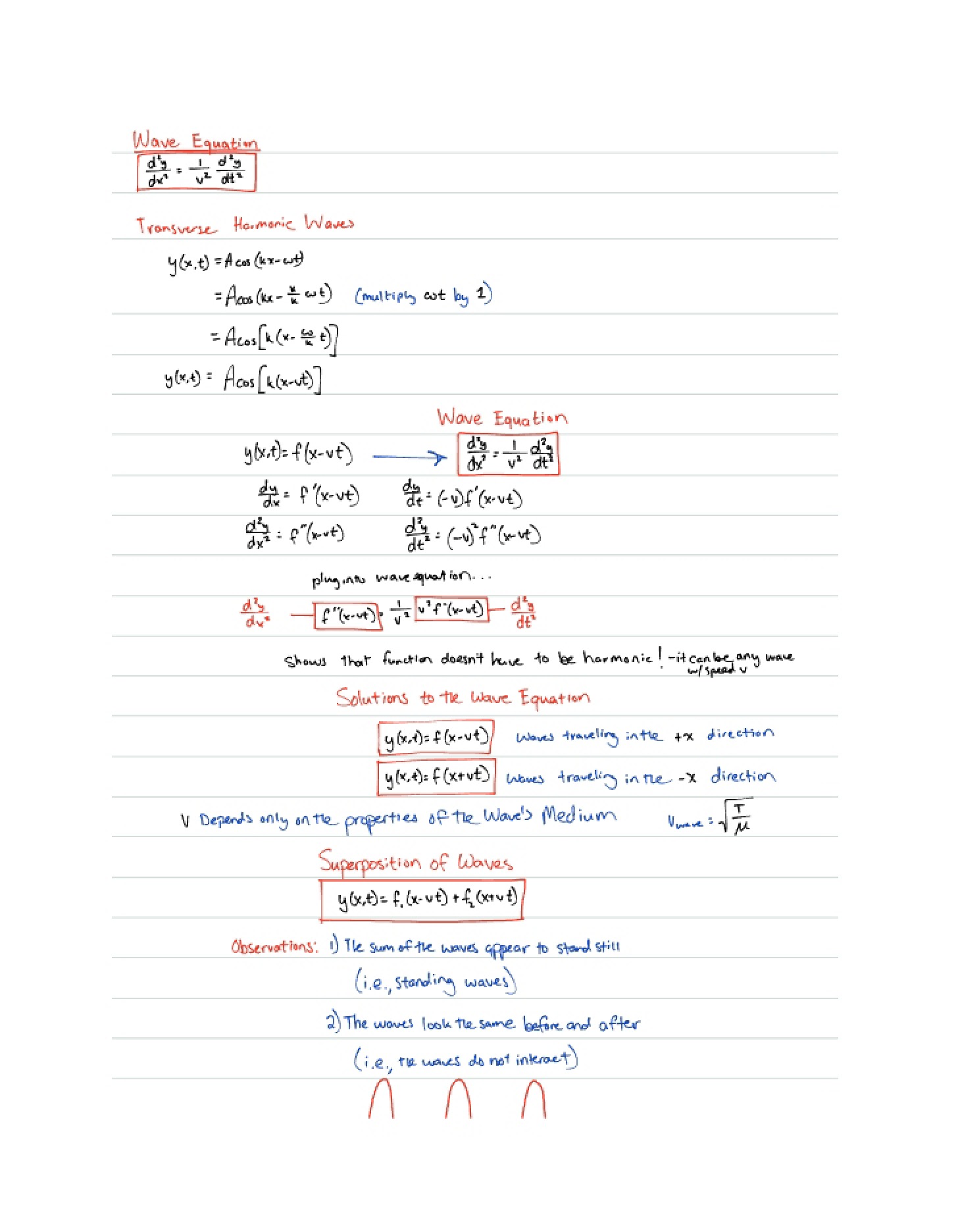
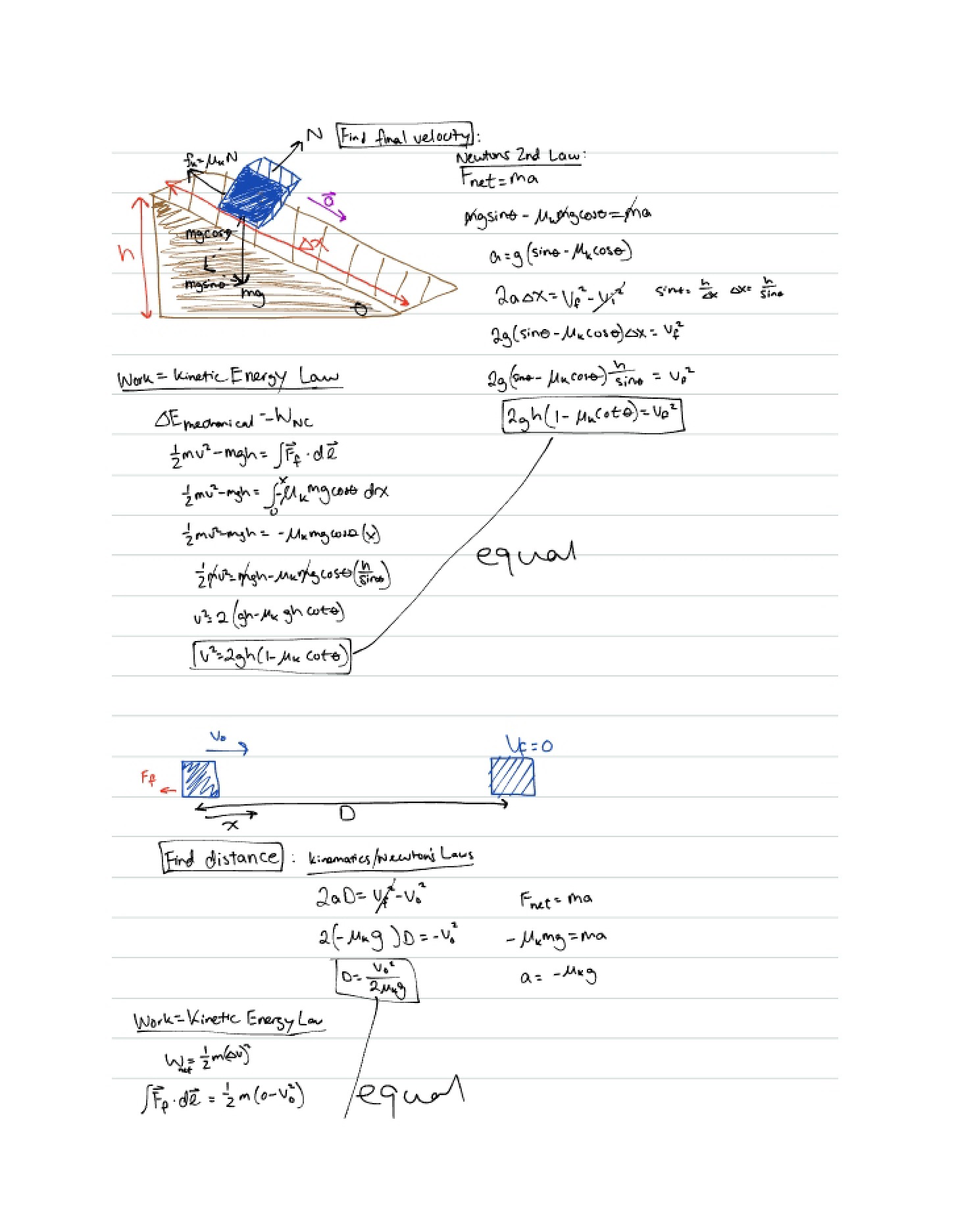
These are detailed notes covering fundamental concepts within University Physics – Mechanics (PHYS 211) at the University of Illinois at Urbana-Champaign. The material focuses on the relationship between forces, energy, and motion, building a strong foundation for more advanced topics in physics. It delves into the theoretical underpinnings of mechanical systems and how to analyze them. The notes appear to be crafted for a lecture or self-study setting, offering a comprehensive overview of key principles.
Why This Document Matters
This resource is invaluable for students currently enrolled in a university-level introductory mechanics course. It’s particularly helpful for those who benefit from a detailed, written explanation alongside lectures. These notes can be used for pre-lecture preparation, in-class note supplementation, or as a study aid during exam review. Students struggling with visualizing physical concepts or applying mathematical formulas to real-world scenarios will find this material especially beneficial. It’s designed to solidify understanding of core mechanics principles.
Common Limitations or Challenges
This document focuses on the theoretical framework and conceptual understanding of mechanics. It does *not* include worked examples demonstrating problem-solving techniques, nor does it offer practice problems for self-assessment. It also assumes a foundational understanding of calculus and basic physics principles. Access to this resource alone will not guarantee success in the course; active engagement with coursework and additional practice are essential. It is a companion to, not a replacement for, lectures and assigned homework.
What This Document Provides
* A detailed exploration of the concepts of work and energy.
* Discussion of different types of forces and their properties.
* An examination of the relationship between conservative and non-conservative forces.
* Analysis of how energy transforms within mechanical systems.
* Key definitions and relationships related to potential energy.
* Insights into the work-kinetic energy theorem and its applications.
* A foundation for understanding more complex energy calculations.