What This Document Is
This study guide provides a focused exploration of income maintenance and the complex issue of poverty, specifically within a social work context. It delves into the multifaceted nature of economic hardship, examining its prevalence, demographics, and contributing factors. Designed for students in an introductory social work course, this resource aims to build a foundational understanding of the challenges faced by vulnerable populations. It’s part of a larger course module examining social welfare systems and inequalities.
Why This Document Matters
Students enrolled in introductory social work programs, particularly those tackling courses on social welfare policy or human behavior in the social environment, will find this resource invaluable. It’s especially helpful when preparing for discussions and assignments related to economic justice, social stratification, and the impact of poverty on individuals and communities. Use this guide to supplement lectures and textbook readings, and to begin formulating your own informed perspectives on these critical social issues. It’s best utilized *before* tackling case studies or practical application exercises.
Common Limitations or Challenges
This guide offers a concentrated overview of key concepts and statistics. It does *not* provide comprehensive solutions to poverty, detailed policy analyses, or in-depth case studies. It also doesn’t offer a historical timeline of welfare programs or a comparative analysis of poverty rates across different countries. The information presented is a snapshot in time and should be supplemented with current data and ongoing research. It is designed to be a starting point for deeper exploration, not a definitive answer key.
What This Document Provides
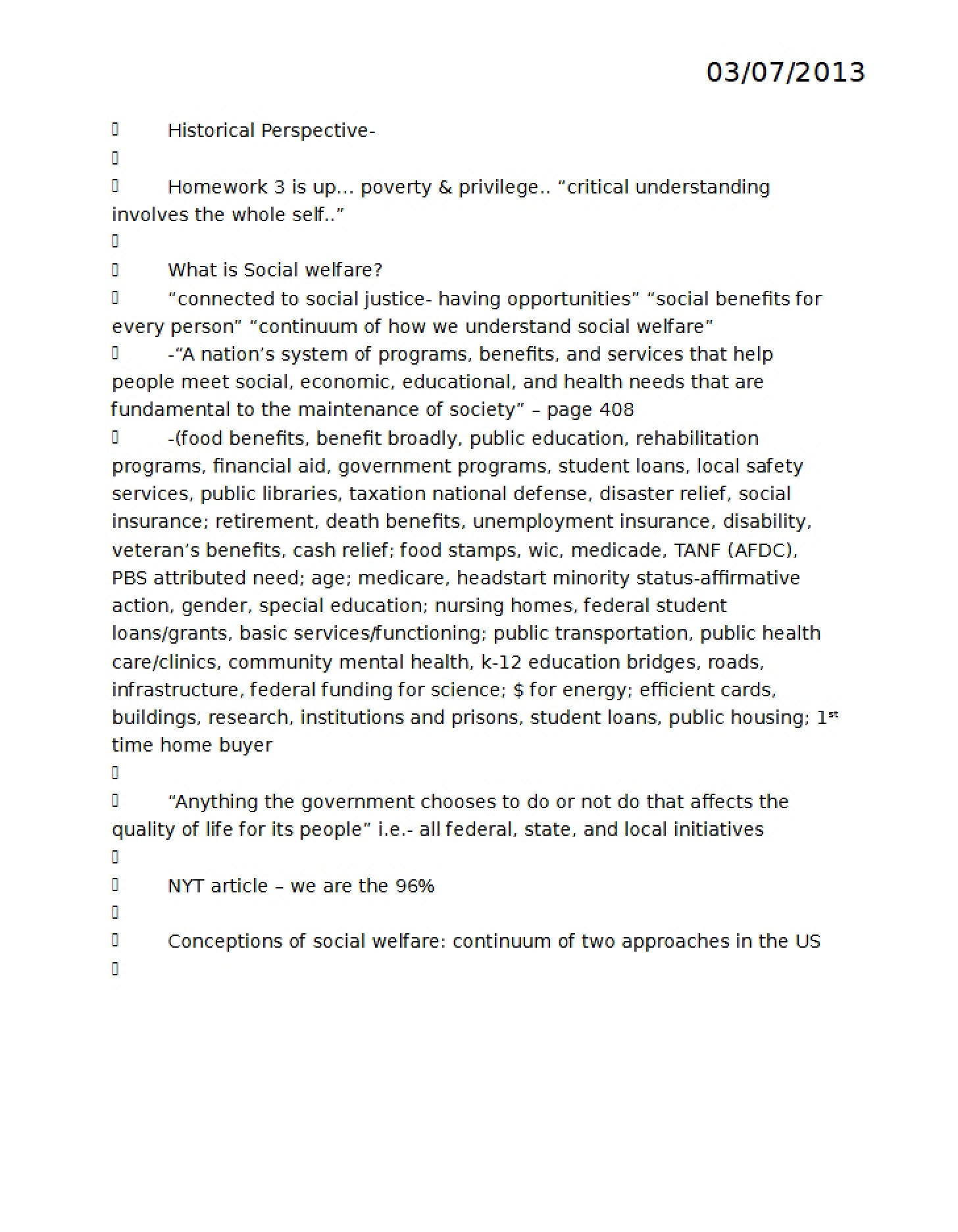
* An overview of defining and measuring poverty, including relevant financial benchmarks.
* Statistical data regarding the prevalence of poverty in the United States and Illinois.
* Identification of populations disproportionately affected by economic hardship.
* Discussion of factors contributing to the feminization of poverty and racial/ethnic disparities.
* Exploration of the challenges faced by specific groups, such as children, older adults, and individuals with disabilities.
* Consideration of the unique context of poverty in rural versus urban settings.
* Introduction to concepts like the Matthew Effect and relative poverty.