What This Document Is
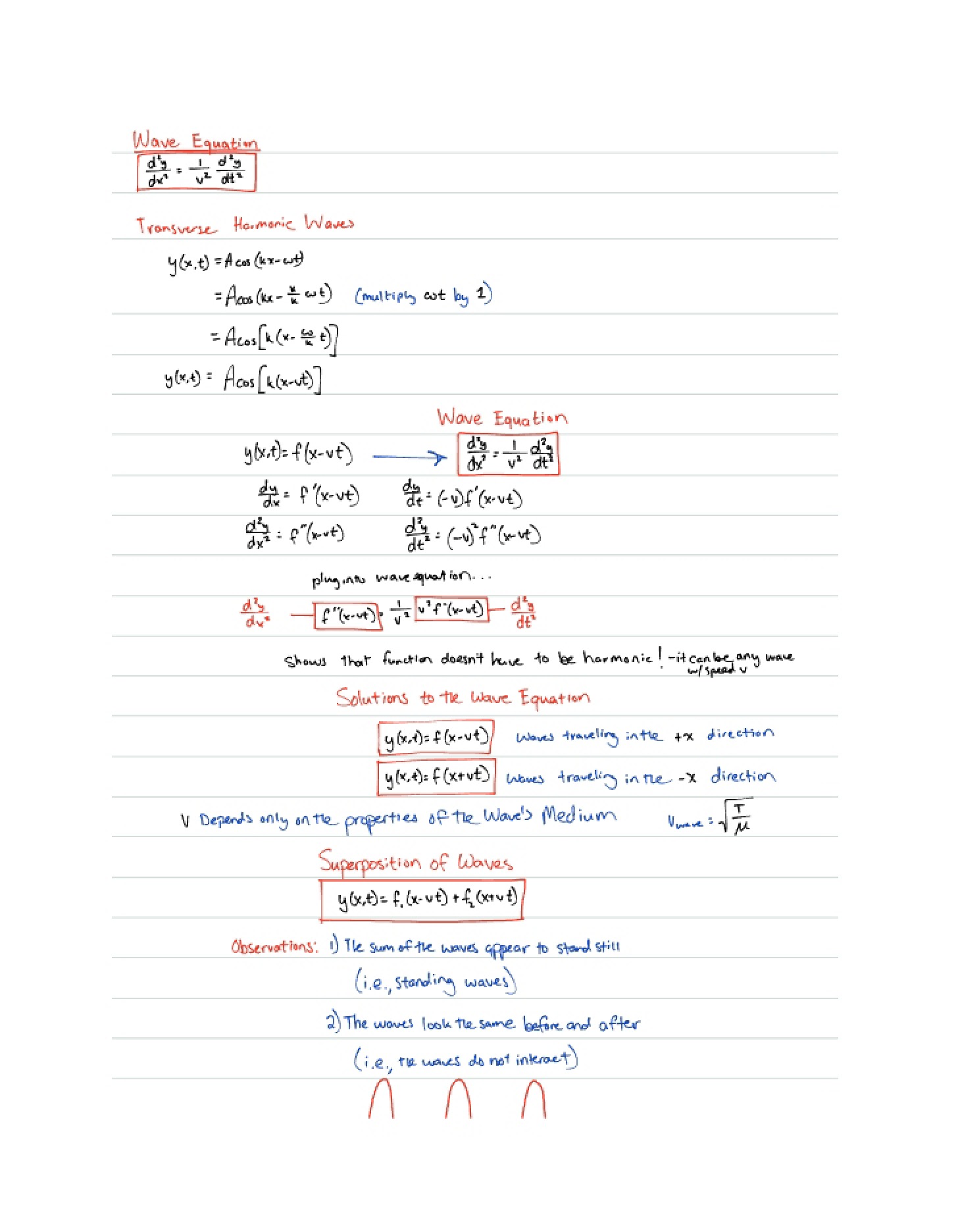
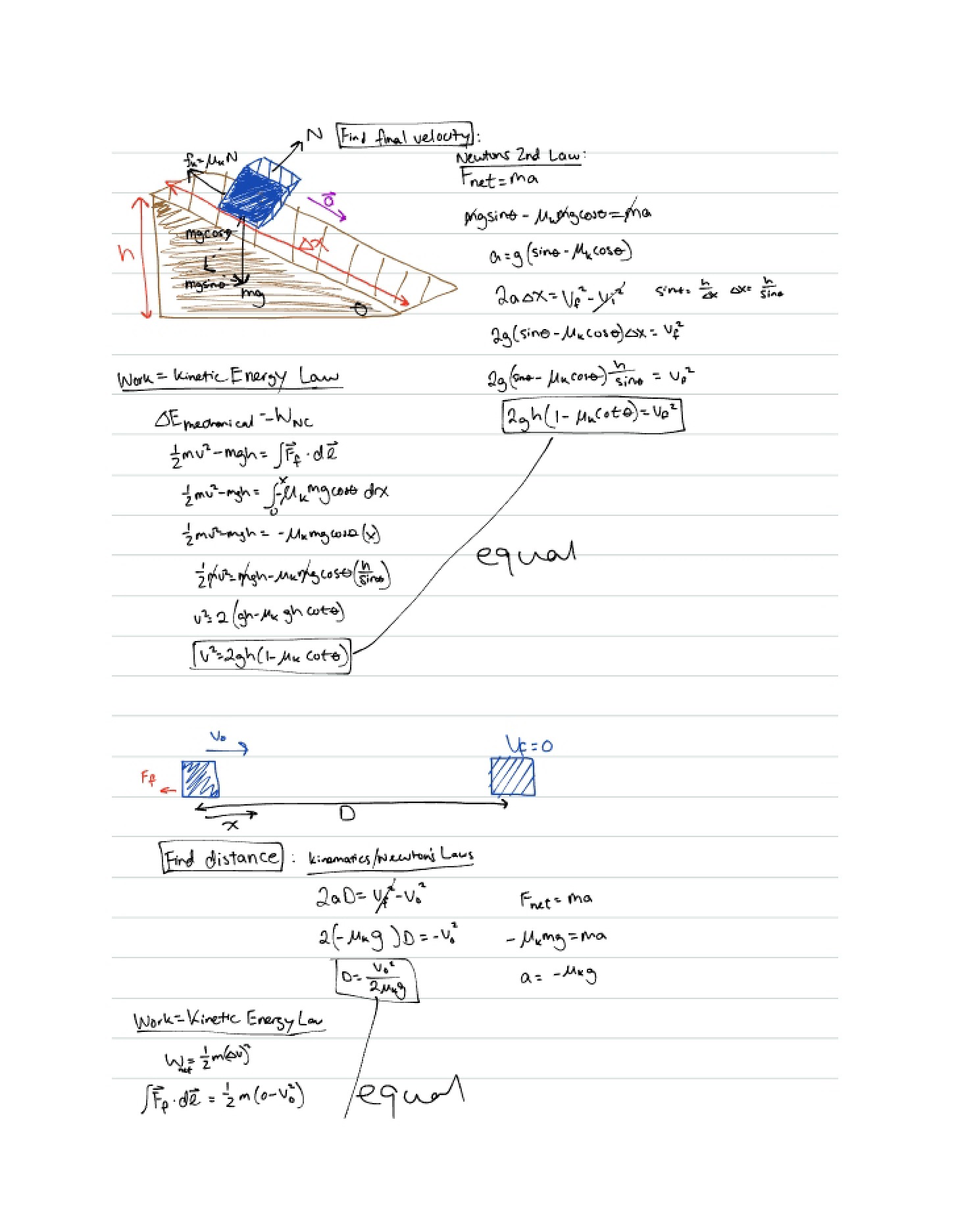
These are lecture notes from PHYS 211: University Physics - Mechanics, offered at the University of Illinois at Urbana-Champaign. The notes capture core concepts related to fundamental principles governing the motion of objects and systems. Specifically, they delve into the dynamics of systems, focusing on how forces influence motion and how to analyze interactions between objects. The material builds upon foundational mechanics principles and extends into more complex scenarios involving multiple bodies and conserved quantities.
Why This Document Matters
This resource is invaluable for students currently enrolled in a university-level introductory mechanics course. It’s particularly helpful for those who want a detailed record of the lectures, a supplementary resource to textbook readings, or a tool for reinforcing understanding *during* and *after* class. Students preparing for quizzes or exams on topics like momentum, impulse, and conservation laws will find these notes a strong starting point for review. They are best used in conjunction with active problem-solving and a solid grasp of the course’s core mathematical tools.
Common Limitations or Challenges
These notes represent a capture of a live lecture and are intended to *supplement* – not replace – textbook material, assigned readings, and independent problem-solving. The notes do not include fully worked-out example problems, detailed derivations of every equation, or comprehensive explanations of all related concepts. They also assume a baseline understanding of calculus and introductory physics principles. Access to the full document is required to fully grasp the nuances and applications discussed.
What This Document Provides
* A focused overview of concepts related to linear momentum and its conservation.
* Discussion of the relationship between external forces and changes in a system’s momentum.
* Key definitions and notations used in the study of collisions and impulse.
* Exploration of the concept of the center of mass and its significance in analyzing complex systems.
* Insights into the conditions under which momentum is conserved.
* Preliminary discussion of energy considerations in the context of collisions.