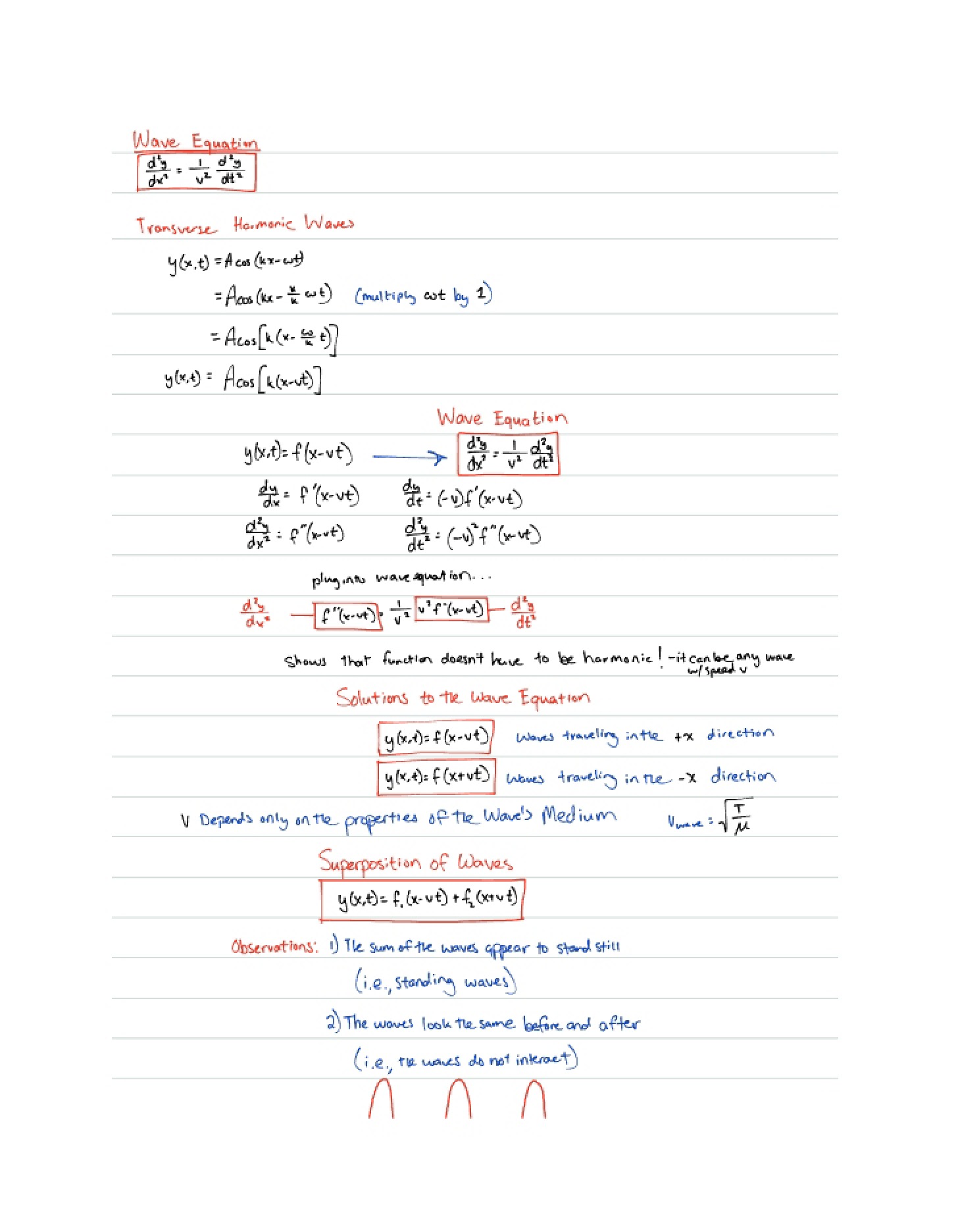
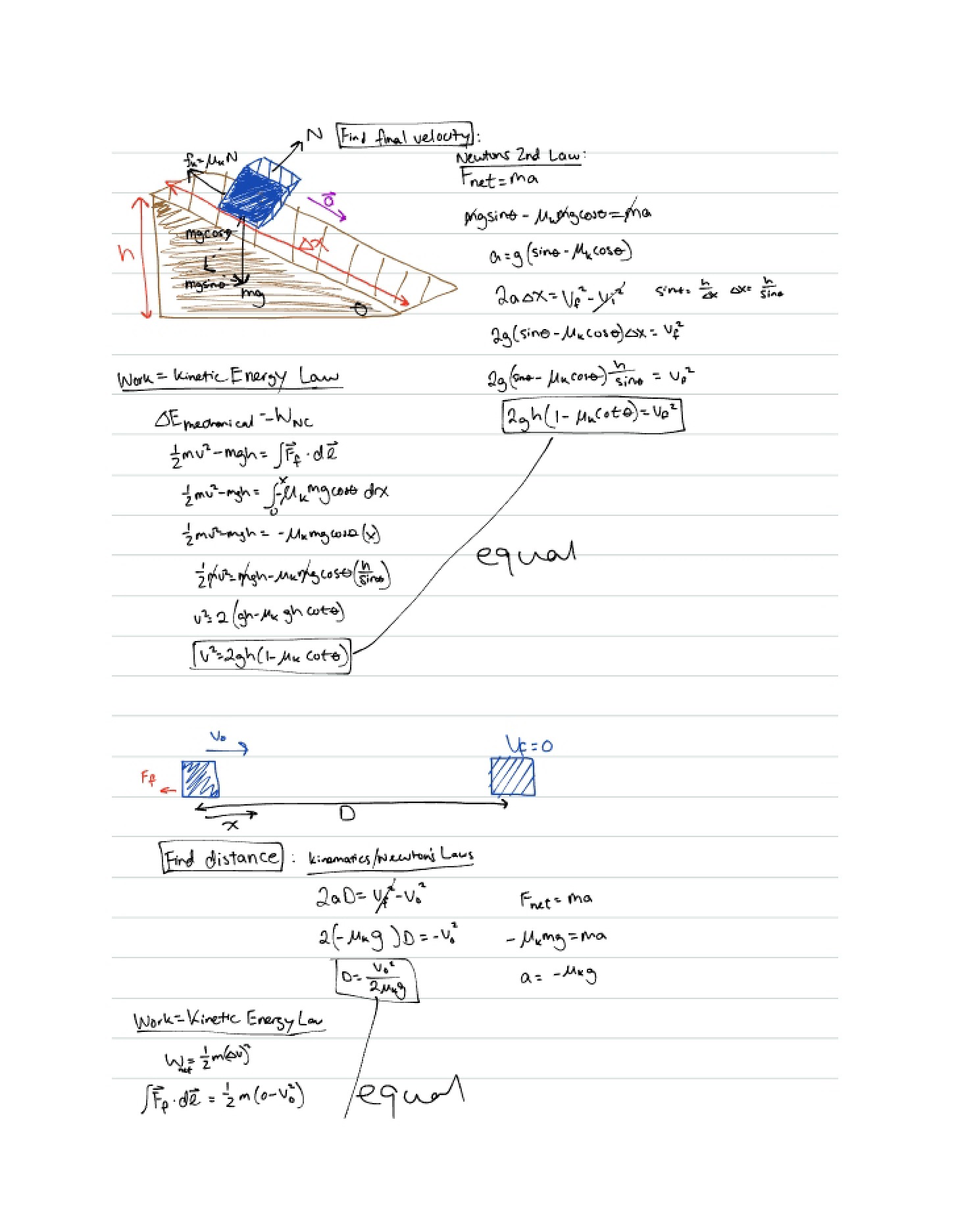
What This Document Is
These are detailed notes records from a University Physics-Mechanics (PHYS 211) course at the University of Illinois at Urbana-Champaign. The material focuses on fundamental principles governing the motion of objects and systems, specifically delving into rotational dynamics and angular momentum. Expect a concentrated exploration of concepts related to torque, angular velocity, and the conservation of angular momentum. The notes appear to be handwritten, suggesting a direct capture of lecture material or in-class workings.
Why This Document Matters
This resource is invaluable for students currently enrolled in a university-level introductory physics course – particularly those covering mechanics. It’s especially helpful for students who benefit from seeing concepts explained with a focus on problem-solving approaches. These notes can be used to supplement textbook readings, clarify confusing lecture points, and provide a foundation for tackling complex homework assignments and exam questions. Students who struggle with visualizing rotational motion or applying conservation laws will find this particularly useful as a study aid.
Common Limitations or Challenges
These notes are a record of course material and do not constitute a comprehensive physics textbook. They likely assume a certain level of prior knowledge and may not include extensive background explanations of foundational concepts. The handwritten format may require careful deciphering, and the notes may not cover *every* topic within rotational mechanics. It’s important to remember that these are supplementary materials and should be used in conjunction with assigned readings and other course resources. The notes do not provide worked examples or solutions to practice problems.
What This Document Provides
* A focused treatment of rotational kinematics and dynamics.
* Detailed exploration of angular momentum and its conservation.
* Discussion of the relationship between linear and angular quantities.
* Concepts related to moment of inertia and its application.
* Illustrative representations and notations for understanding rotational motion.
* Connections between theoretical principles and their physical implications.
* Potential insights into the instructor’s emphasis and approach to the subject matter.