What This Document Is
This is a supplemental learning resource designed to reinforce key concepts from a Principles of Financial Accounting course, specifically focusing on the topic of bonds. Created for students at Washington University in St. Louis (ACCT 2610), this material expands on classroom lectures (Class 19, Chapter Ten) and provides a deeper exploration of bond characteristics, classifications, and initial accounting considerations. It’s structured as a post-class review, intended to solidify understanding after the core material has been presented.
Why This Document Matters
This resource is invaluable for accounting students who want to strengthen their grasp of long-term liability accounting. It’s particularly helpful when preparing for quizzes and exams covering bond valuation and the impact of bond transactions on a company’s financial statements. Students who struggle with time value of money concepts or understanding the differences between various bond types will find this a useful study aid. It’s best utilized *after* attending the corresponding lecture and attempting initial practice problems.
Common Limitations or Challenges
This material serves as a focused review and does not replace the need for a comprehensive understanding of the foundational accounting principles. It does not include detailed worked examples or step-by-step solutions to complex problems. Furthermore, it concentrates on the initial accounting for bonds and doesn’t delve into more advanced topics like bond redemption or the impact of changing market conditions. It assumes a basic familiarity with present value calculations.
What This Document Provides
* An overview of the fundamental definition of a bond and its role as a form of corporate financing.
* A categorization of different bond types, including debenture, callable, and convertible bonds, and an explanation of their unique features.
* Discussion of factors influencing bond pricing, including stated and market interest rates.
* An exploration of the relationship between bond characteristics and a company’s financial position.
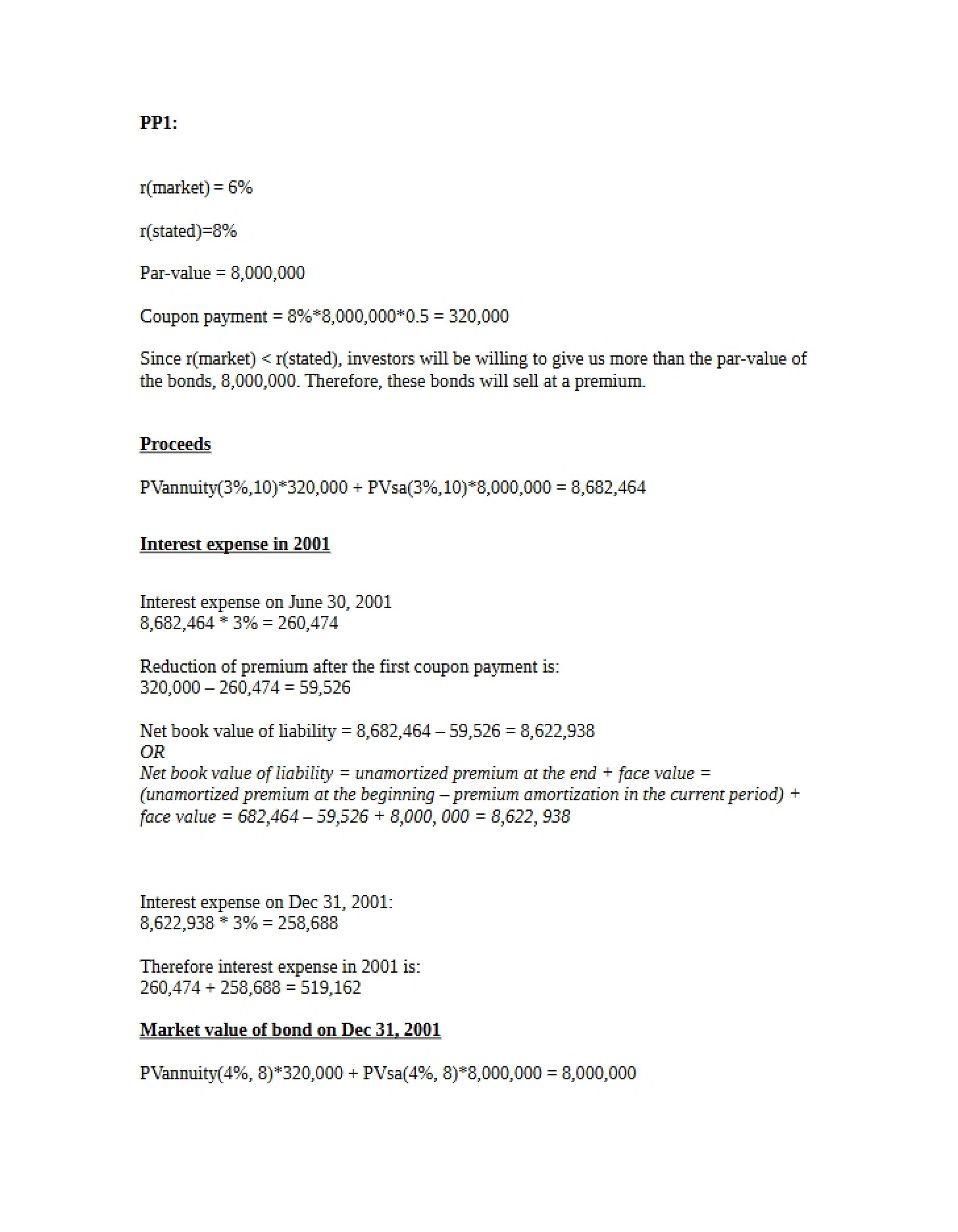
* An introduction to the initial measurement of bonds payable and the determination of issue price.
* A framework for understanding how the stated interest rate is used in calculating periodic interest expense.