What This Document Is
This is a practice problem focused on the complexities of bond accounting within a financial accounting course. Specifically, it delves into the application of accounting principles related to zero-coupon bonds and traditional coupon-bearing bonds. The scenario presented requires a comprehensive understanding of bond valuation, amortization, and the impact of market interest rates on bond values. It’s designed to test your ability to apply theoretical knowledge to a real-world business situation involving corporate debt.
Why This Document Matters
Students enrolled in Principles of Financial Accounting (ACCT 2610) at Washington University in St. Louis will find this practice problem particularly valuable when preparing for assessments. It’s ideal for reinforcing your understanding of long-term liability accounting *after* covering related lecture material and textbook chapters. Working through problems like this helps solidify your grasp of concepts like present value, effective interest method calculations, and the proper journal entries required for bond transactions. It’s best utilized as a self-assessment tool to identify areas where further study is needed.
Common Limitations or Challenges
This practice problem presents a specific scenario with defined parameters. It does *not* provide a comprehensive review of all bond accounting topics. It assumes you already have a foundational understanding of bond terminology, the time value of money, and basic journal entry formatting. Furthermore, it focuses on a particular set of circumstances and won’t cover every possible bond issuance or accounting treatment. Detailed explanations of the underlying accounting standards are not included within this problem itself.
What This Document Provides
* A multi-part problem centered around a corporation issuing and managing different types of bonds.
* A scenario involving a zero-coupon bond initially issued and its subsequent market value changes.
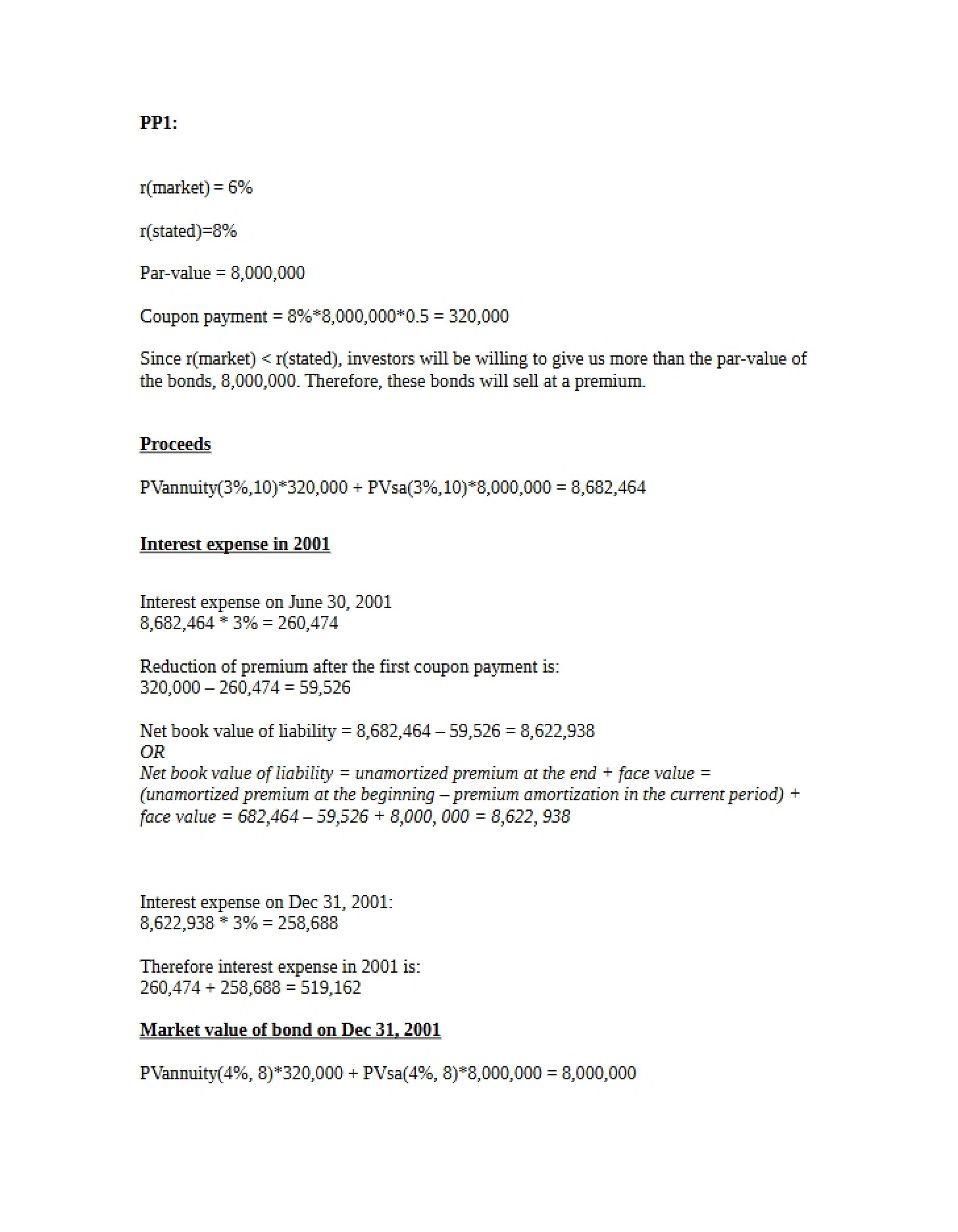
* A new bond issuance with stated interest rates and maturity dates.
* Requirements to determine implied market interest rates.
* Tasks related to calculating bond book value.
* A request for journal entries related to bond issuance and interest expense recognition using a specific method.