What This Document Is
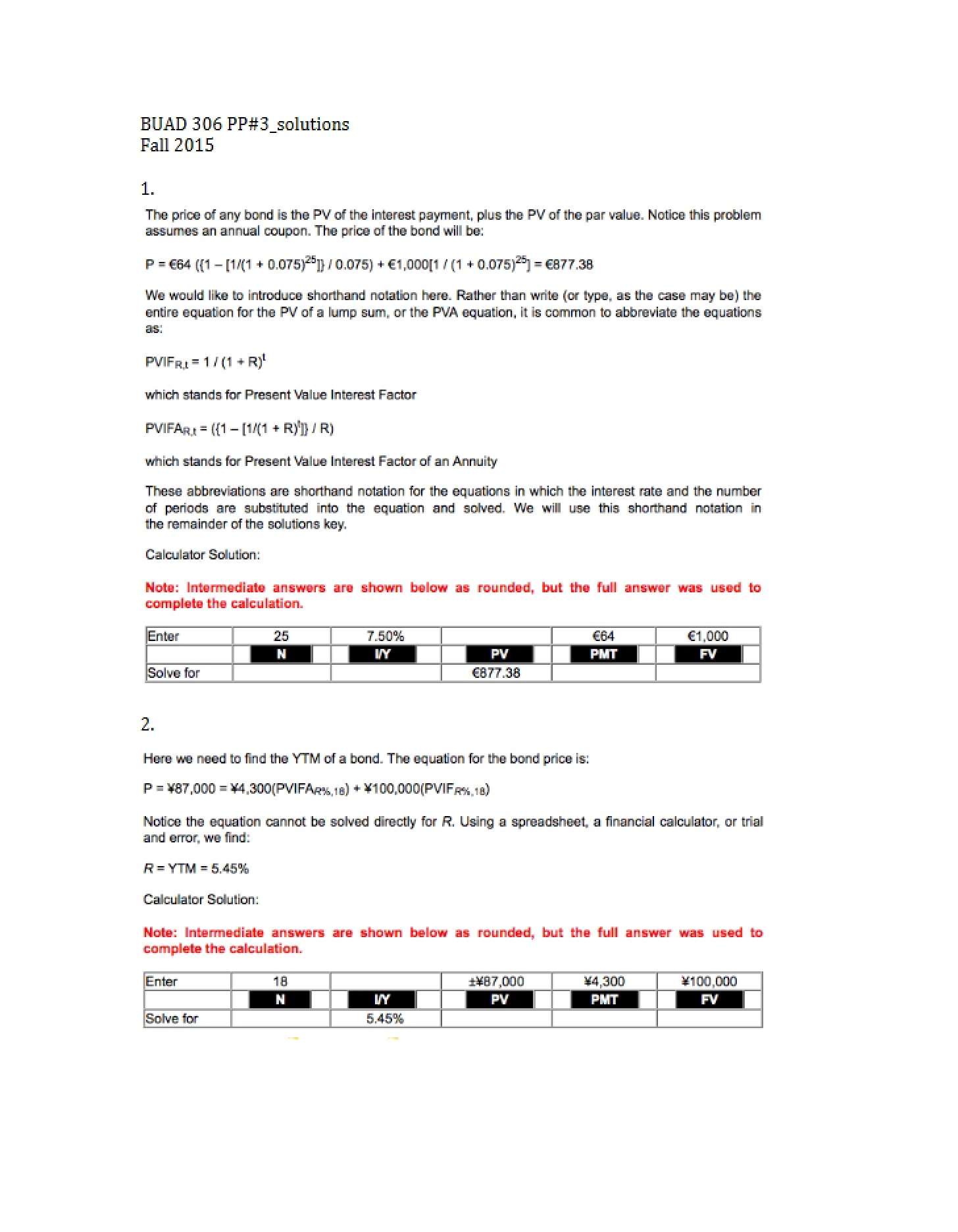
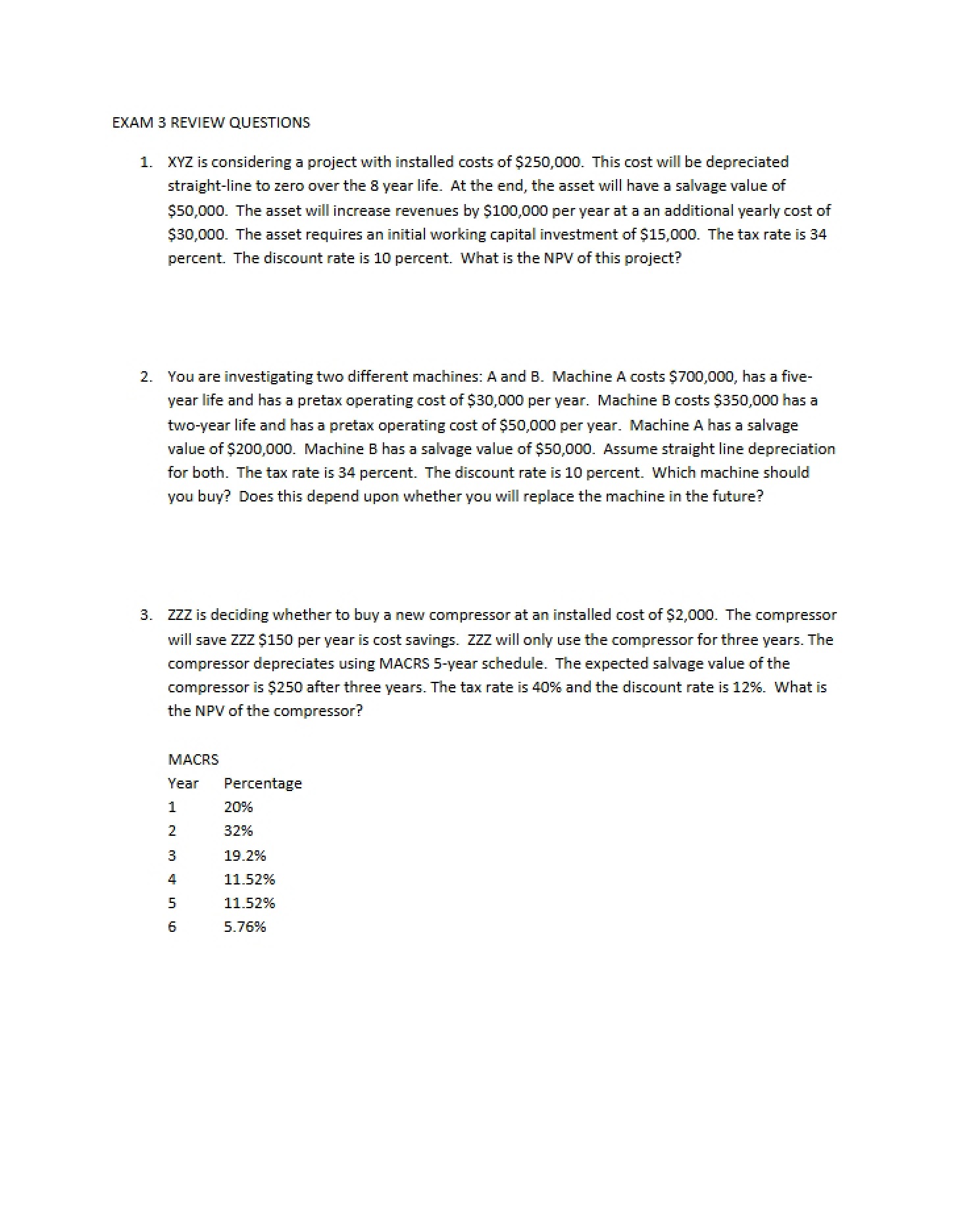
This document contains worked solutions to a practice problem set for BUAD 306: Business Finance at the University of Southern California. It’s designed to reinforce understanding of core financial principles covered in the course, specifically focusing on applying those principles to quantitative problems. The material centers around foundational concepts in corporate finance and valuation. It appears to cover topics related to agency problems, compounding interest, future value calculations, and tax implications for businesses.
Why This Document Matters
This resource is invaluable for students seeking to solidify their grasp of business finance concepts and improve their problem-solving abilities. It’s particularly helpful when preparing for quizzes, midterms, or the final exam. Working through practice problems – and then reviewing detailed solutions – is a proven method for identifying knowledge gaps and building confidence. Students who utilize this resource alongside their lecture notes and textbook readings will likely see a significant improvement in their overall course performance. It’s best used *after* attempting the problems independently, to maximize learning.
Common Limitations or Challenges
This document focuses exclusively on providing solutions to a specific set of practice problems. It does *not* include explanations of the underlying financial theories or step-by-step instructions on *how* to approach the problems initially. It assumes a base level of understanding of the core concepts. Furthermore, it represents only one set of practice questions and shouldn’t be considered a comprehensive review for all possible exam topics. Access to the full document is required to view the complete solutions.
What This Document Provides
* Detailed solutions for a series of business finance practice problems.
* Applications of financial formulas related to time value of money.
* Illustrative examples concerning agency relationships and incentive structures.
* Analysis of corporate tax liabilities under varying income brackets.
* Calculations involving future value, present value, and interest rates.
* Problem sets covering a range of topics including compounding, tax rates, and financial goal setting.