What This Document Is
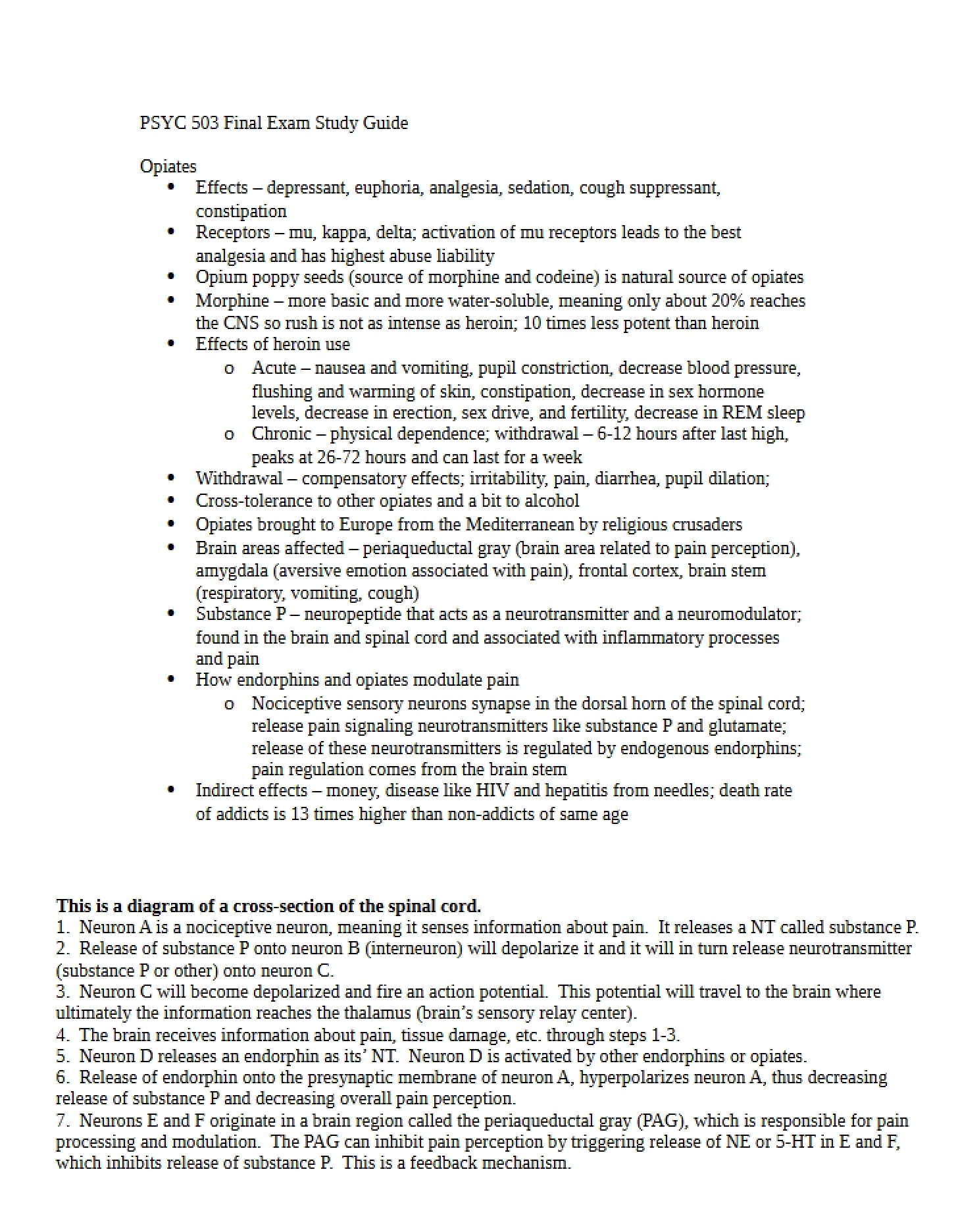
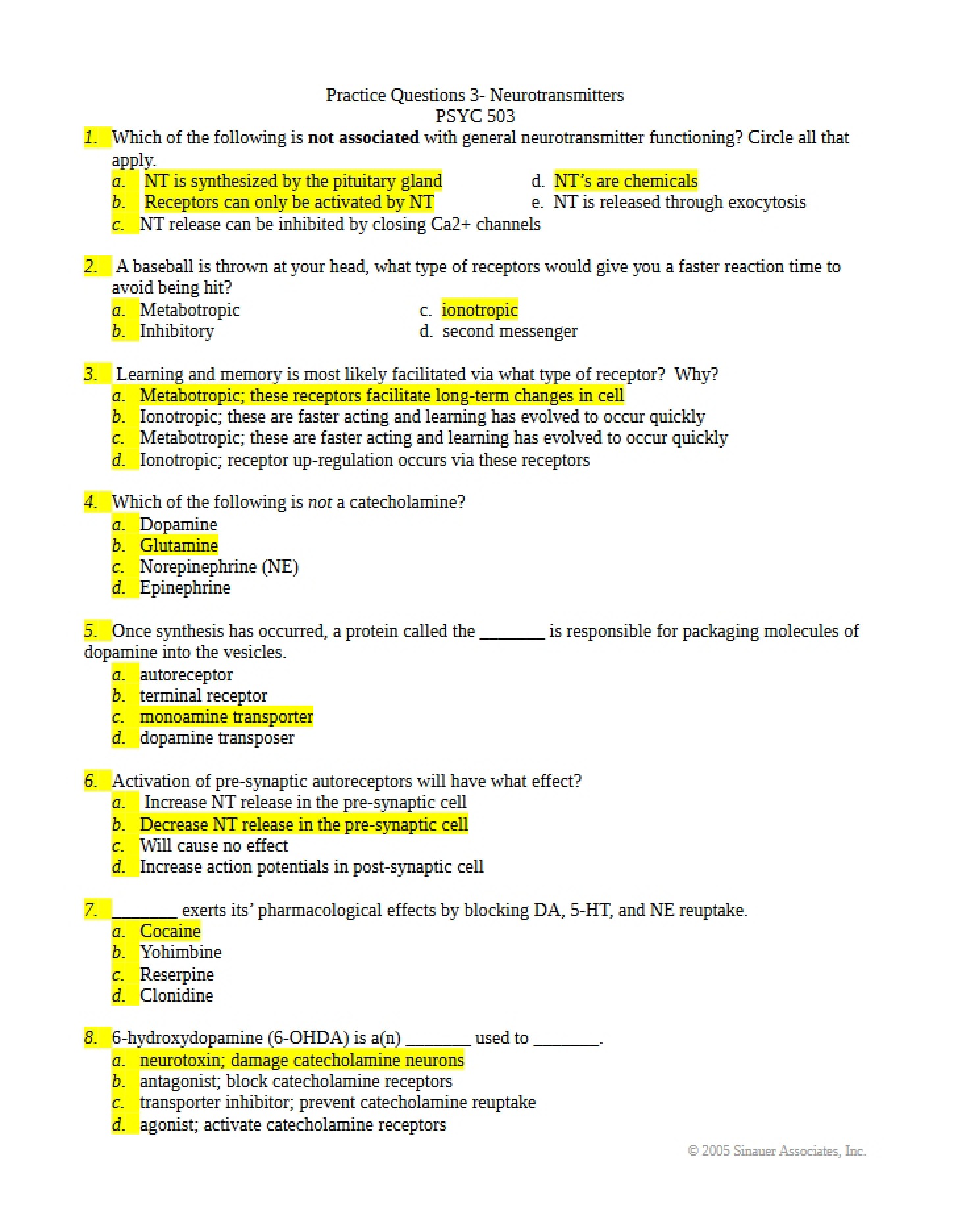
This resource is a focused collection of practice questions designed to test your understanding of key concepts within the realm of psychoactive drugs – specifically nicotine, alcohol, and marijuana. It’s structured as a quiz-style review, mirroring the types of questions you might encounter in a formal assessment for a university-level Drug Use and Effects course (PSYC 503 at the University of South Carolina). The questions are crafted to stimulate critical thinking and application of knowledge, rather than simple recall.
Why This Document Matters
This practice question set is ideal for students actively enrolled in a similar course, or those preparing for exams covering the neurobiological and behavioral effects of these commonly used substances. It’s particularly useful for self-assessment – identifying areas where your understanding is strong, and pinpointing topics requiring further review. Utilizing practice questions is a proven method for solidifying knowledge and improving exam performance. It’s best used *after* you’ve engaged with core course materials like lectures and readings.
Common Limitations or Challenges
This document does *not* provide detailed explanations or answers to the questions. It is designed to be a self-testing tool, requiring you to draw upon your existing knowledge base. It also doesn’t cover the broader scope of drug use and effects beyond the specified substances (nicotine, alcohol, and marijuana). It’s not a substitute for comprehensive course materials or instructor guidance. The questions are presented in isolation, without the context of case studies or extended scenarios.
What This Document Provides
* A series of multiple-choice questions covering the pharmacological actions of nicotine, alcohol, and marijuana.
* Questions addressing the metabolic processes related to alcohol consumption.
* Inquiries into the neurochemical effects of these substances on brain function.
* Questions exploring the consequences of both acute and chronic use, including withdrawal symptoms and potential long-term health effects.
* Questions relating to treatment options and potential interventions for substance use disorders.
* Questions regarding the impact of these substances on vulnerable populations (e.g., fetal alcohol syndrome).