What This Document Is
This is a comprehensive study guide designed to support students enrolled in PSYC 503: Drug Use and Effects at the University of South Carolina. It focuses on preparing for a final exam by outlining key concepts and principles related to the pharmacological and neurological impacts of various psychoactive substances. The guide delves into the mechanisms of action, effects, and broader consequences associated with different drug classes.
Why This Document Matters
This study guide is an invaluable resource for any student seeking to solidify their understanding of the complex interplay between drugs and the human nervous system. It’s particularly useful during the crucial exam preparation phase, offering a structured overview of the course material. Students who utilize this guide will be better equipped to analyze and synthesize information regarding drug-induced behavioral and physiological changes. It’s ideal for focused review sessions and identifying areas needing further attention before a major assessment.
Common Limitations or Challenges
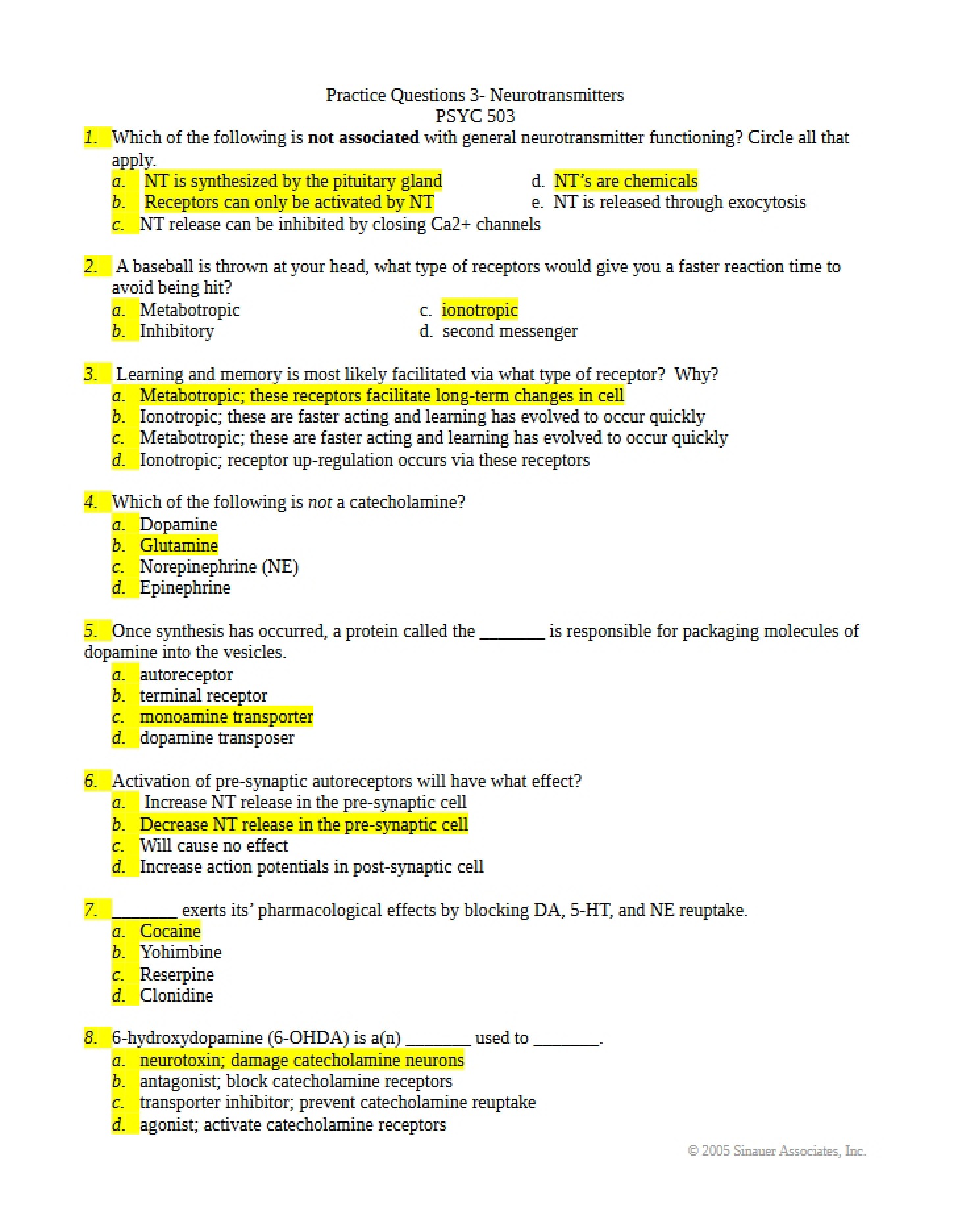
This study guide is intended as a *supplement* to course lectures and readings, not a replacement. It provides a framework for understanding the material but does not contain the full breadth of information presented throughout the semester. It does not include practice questions or detailed case studies. Furthermore, it assumes a foundational understanding of neuroanatomy, neurophysiology, and basic pharmacological principles.
What This Document Provides
* Detailed overviews of specific drug classifications, including opiates and hallucinogens.
* Exploration of the neurochemical mechanisms underlying drug effects.
* Discussion of the impact of substances on brain structures involved in pain perception and sensory processing.
* Examination of the acute and chronic consequences of drug use.
* Insights into the broader societal implications associated with substance use and addiction.
* Diagrams illustrating key neurological processes (though specific details within the diagrams are not fully explained here).