What This Document Is
This is a collection of practice problems focused on the core principles of Engineering Thermodynamics I, specifically geared towards students taking AME 310 at the University of Southern California. It’s designed to help you solidify your understanding of key concepts through application, rather than just theoretical review. The problems cover a range of topics within the course, building from foundational ideas to more complex scenarios.
Why This Document Matters
This resource is invaluable for any student aiming to master the application of thermodynamic principles. It’s particularly useful for those who learn best by *doing* – by actively working through problems and testing their comprehension. Use this document to prepare for quizzes, midterms, and the final exam. It’s also a great way to identify areas where you might need further clarification from your instructor or textbook. Students who consistently practice with these types of problems tend to perform significantly better on assessments.
Common Limitations or Challenges
This document focuses *exclusively* on problem-solving. It does not include detailed explanations of the underlying thermodynamic concepts or derivations of key equations. It assumes you have a solid grasp of the theoretical framework presented in lectures and your course textbook. Furthermore, while the problems are representative of the course material, this is not an exhaustive list of every possible problem type you might encounter. It also doesn’t provide step-by-step solutions; it’s designed for independent practice.
What This Document Provides
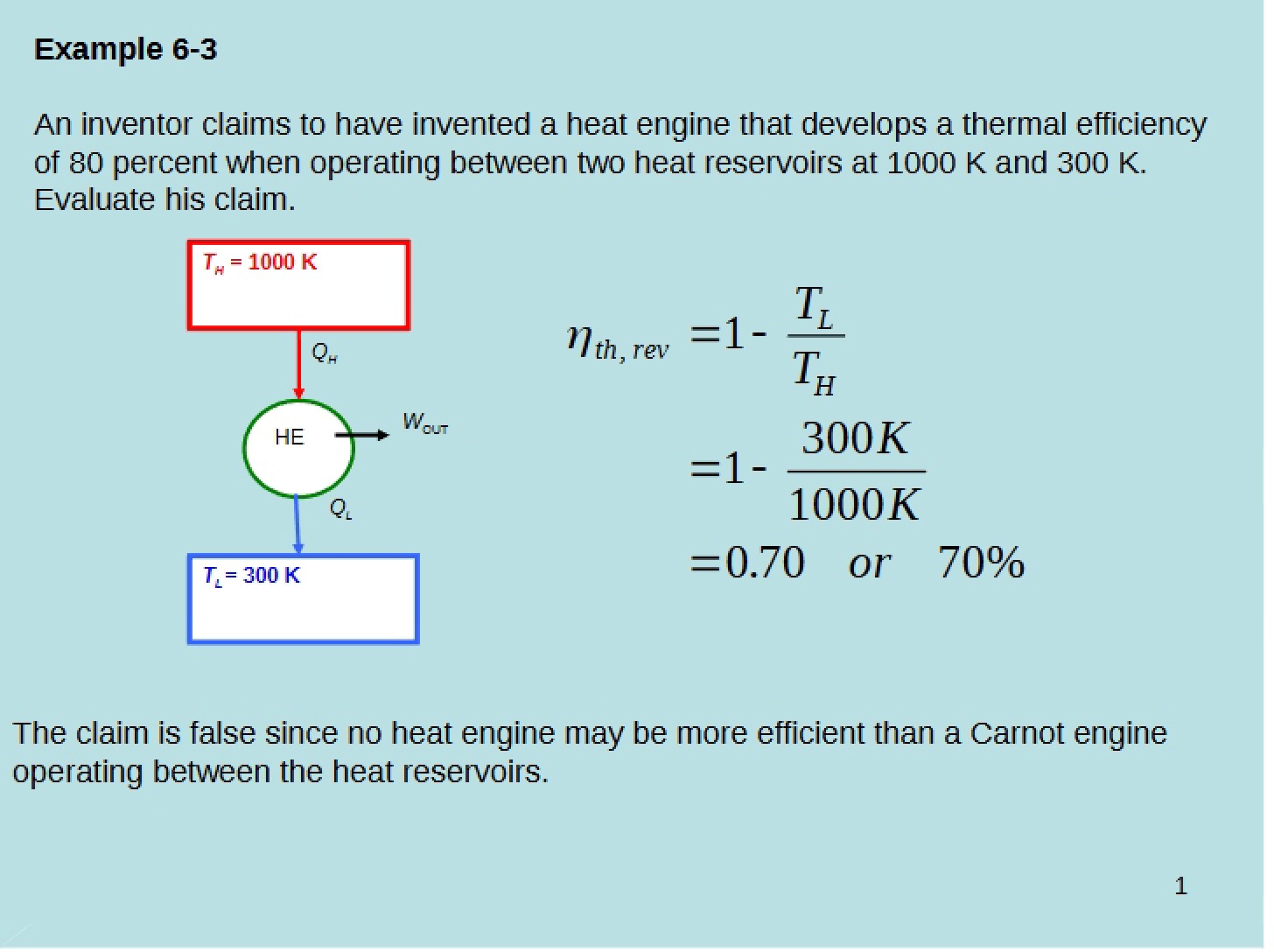
* A variety of thermodynamic problems relating to heat engines (Carnot cycle and others).
* Practice applying concepts related to heat transfer, work, and efficiency.
* Problems focused on air-conditioning and heat pump systems.
* Scenarios involving temperature limits and their impact on system performance.
* Problems requiring analysis of system performance claims and identifying potential violations of thermodynamic laws.
* Practice with applying the Coefficient of Performance (COP) in refrigeration and heat pump applications.
* Problems involving heat loss calculations and minimum power requirements.