What This Document Is
This study guide contains a collection of practice problems focused on the core principles of Engineering Thermodynamics I, specifically as taught within the AME 310 course at the University of Southern California. It’s designed to help students solidify their understanding of key concepts through application, rather than simply reviewing definitions or theoretical explanations. The problems cover a range of topics within the first law and second law of thermodynamics, including heat engines, refrigerators, heat pumps, and the Carnot cycle.
Why This Document Matters
This resource is invaluable for any student enrolled in a similar thermodynamics course, or anyone looking to reinforce their foundational knowledge of energy transfer and system analysis. It’s particularly useful for students preparing for quizzes, midterms, or the final exam. Working through these types of problems will build confidence in applying thermodynamic principles to real-world engineering scenarios. It’s best used *after* initial exposure to the concepts in lectures or a textbook, as a way to actively test and improve comprehension.
Common Limitations or Challenges
This document focuses exclusively on problem-solving. It does not include detailed explanations of the underlying thermodynamic principles, derivations of key equations, or comprehensive theory review. It assumes a base level of understanding of thermodynamic definitions, properties, and relationships. While the problems are designed to be solvable with course material, it doesn’t offer step-by-step solutions or complete worked examples – it’s intended to challenge *your* problem-solving skills.
What This Document Provides
* A diverse set of practice problems covering fundamental thermodynamics concepts.
* Problems relating to idealized cycles like the Carnot cycle, allowing for efficiency and performance analysis.
* Application-focused questions involving heat engines, refrigerators, and heat pumps.
* Problems requiring the application of energy balance equations and the second law of thermodynamics.
* Scenarios involving heat transfer and temperature gradients to assess understanding of system interactions.
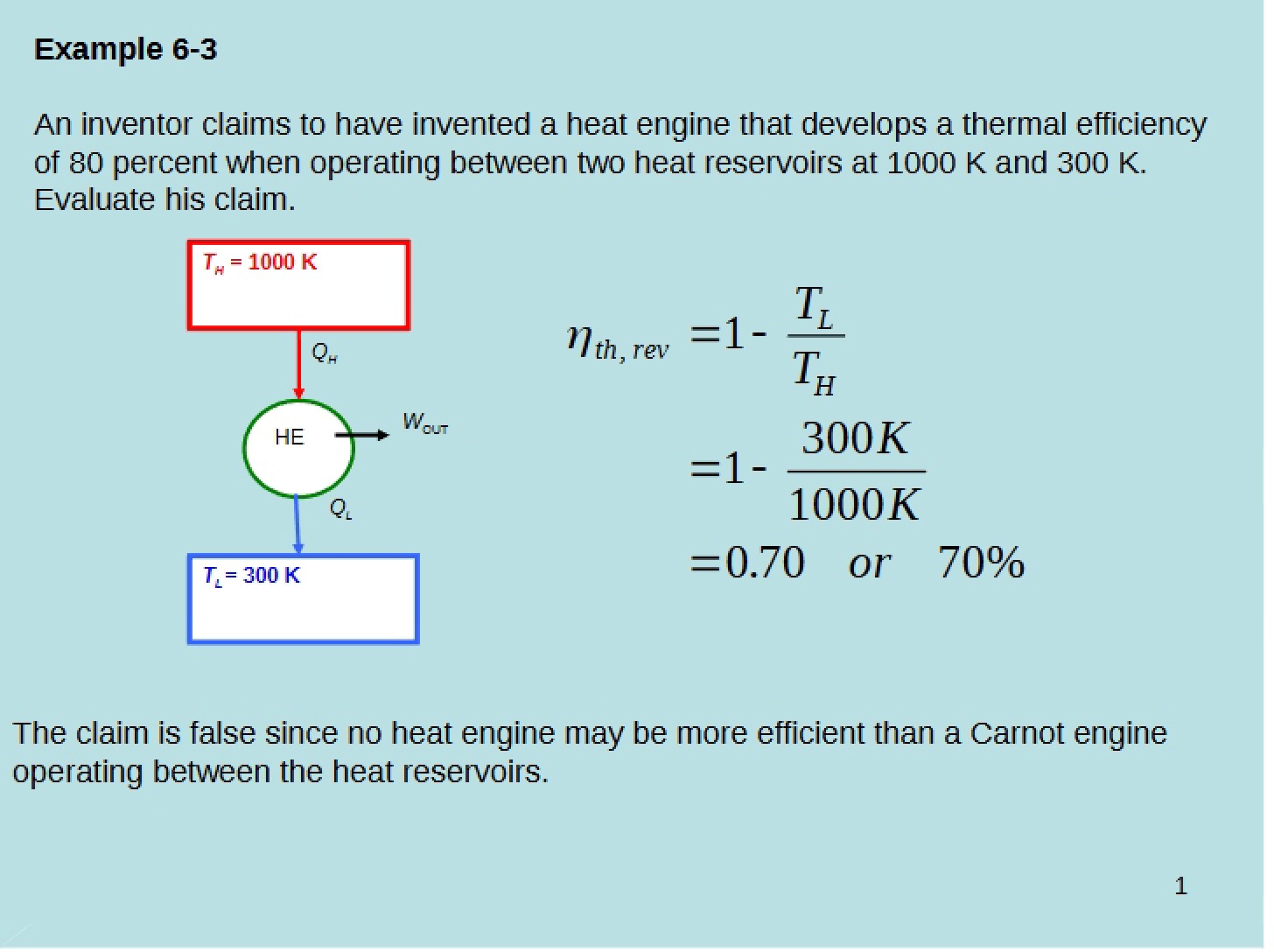
* Problems that require evaluating the feasibility of proposed thermodynamic systems.