What This Document Is
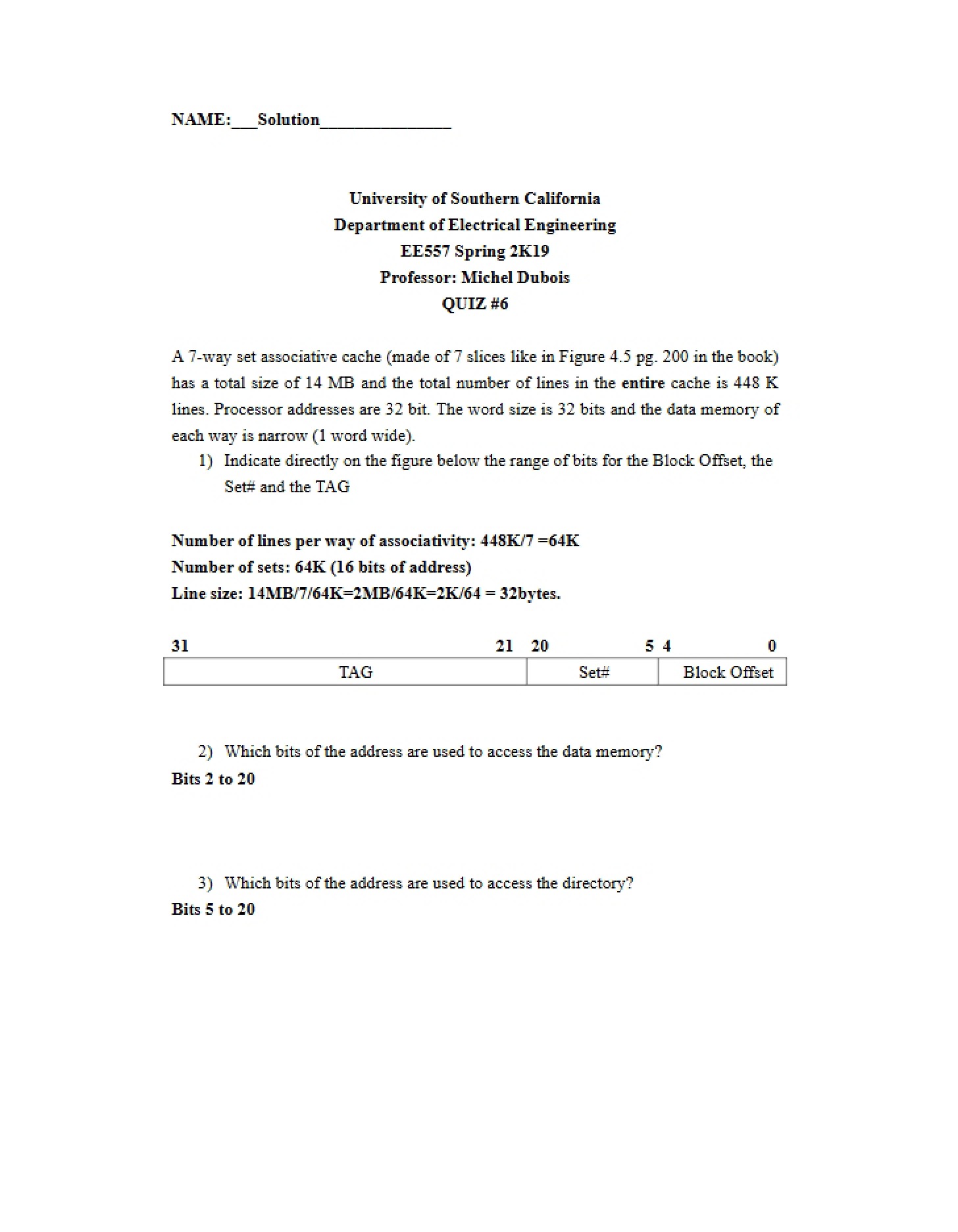
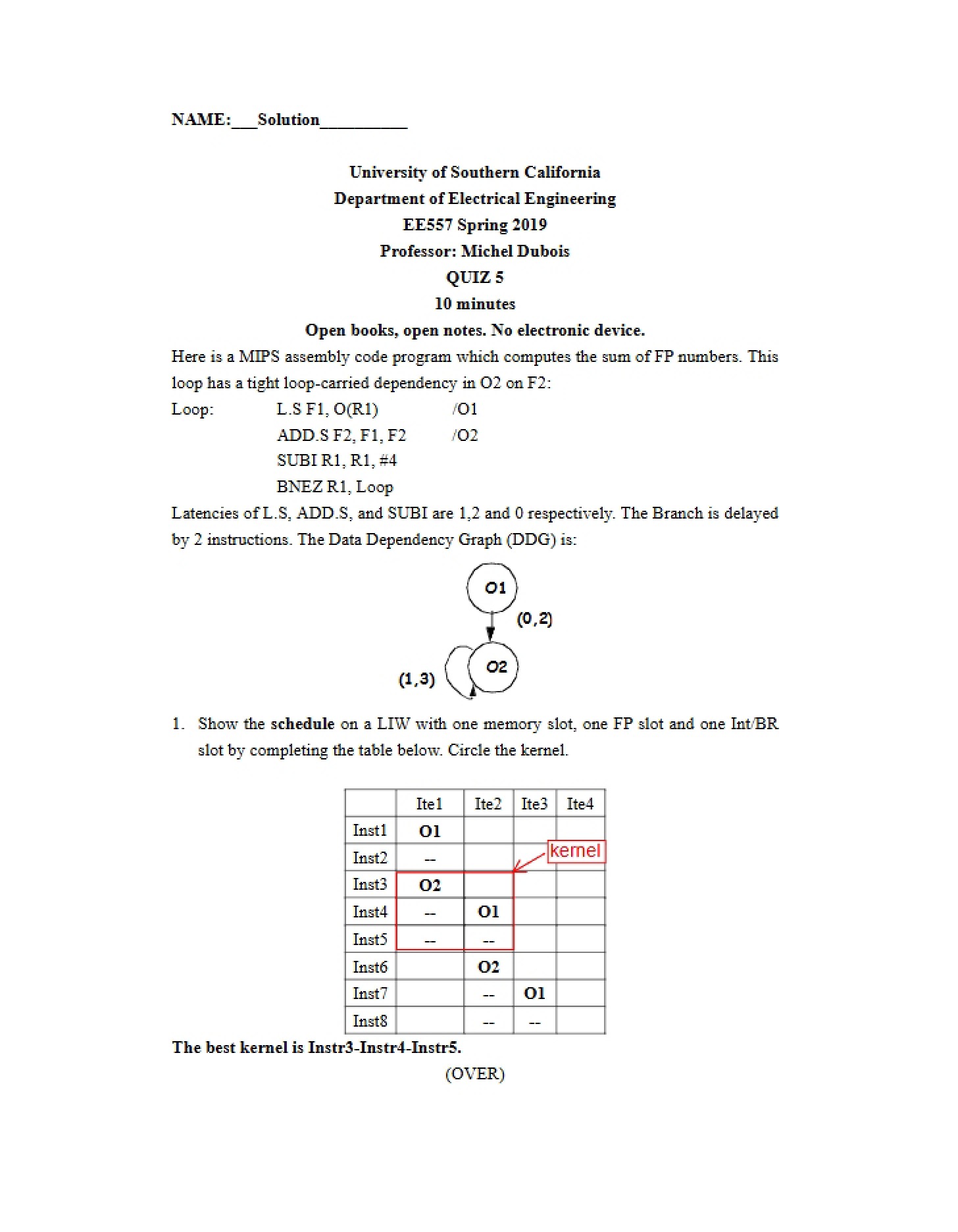
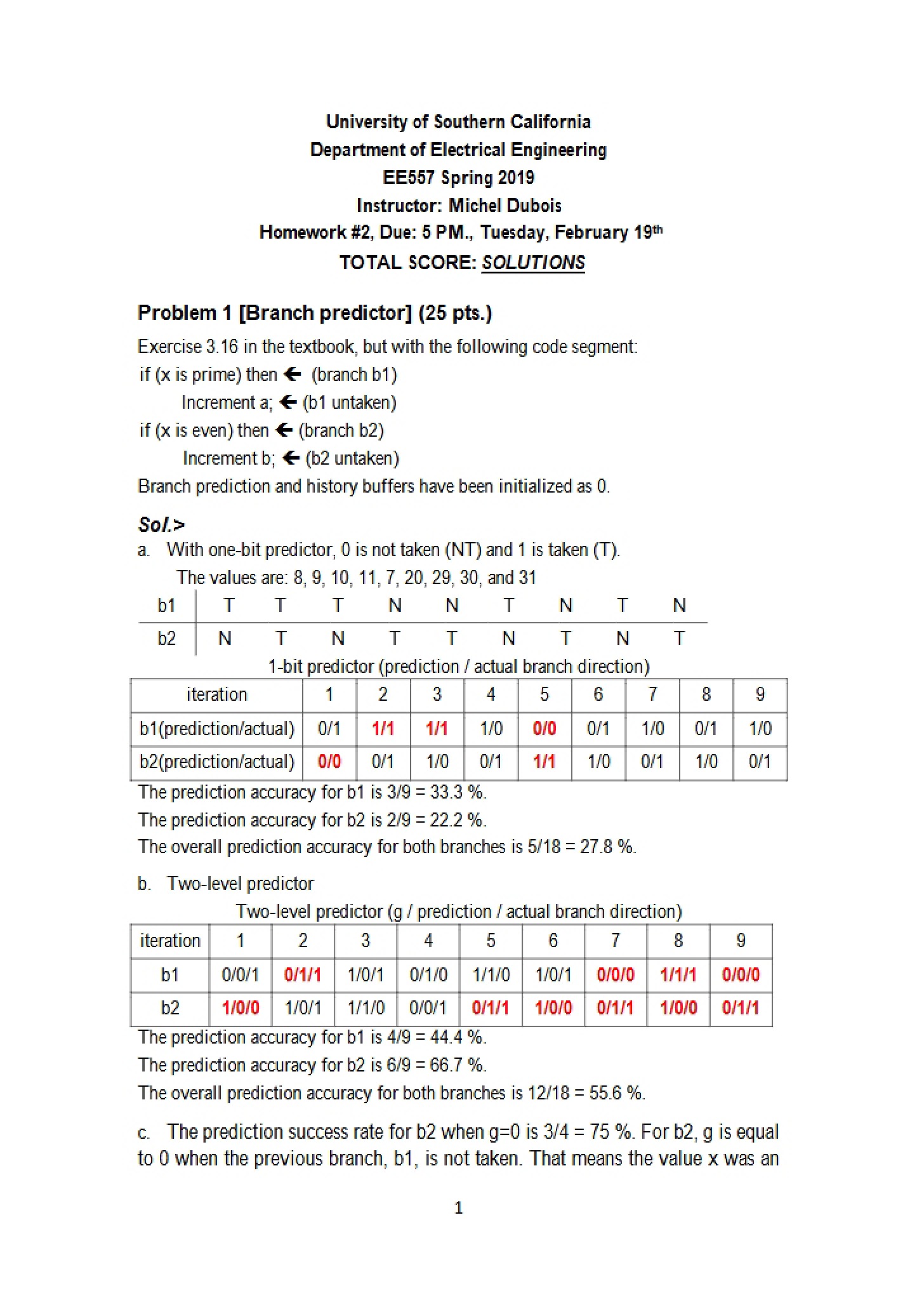
This is a quiz, specifically designed for students enrolled in a Computer Systems Architecture course (EE 557) at the University of Southern California. It assesses understanding of fundamental pipeline concepts, focusing on data dependencies and forwarding techniques within a classical five-stage processor pipeline. The quiz is designed to be completed under timed conditions, mirroring an in-class assessment. It requires a strong grasp of the material presented in lectures and assigned readings.
Why This Document Matters
This resource is invaluable for students seeking to test their comprehension of pipelining – a core concept in computer architecture. It’s particularly useful for self-assessment *after* studying the related lecture notes and textbook chapters. Working through problems like these helps solidify understanding and identify areas needing further review before a larger exam. Students preparing for assessments on processor design, performance optimization, and data hazards will find this a helpful practice tool. It’s best used as a study aid to gauge preparedness, not as a substitute for learning the underlying principles.
Common Limitations or Challenges
This quiz focuses specifically on forwarding techniques and their impact on instruction latency. It does *not* provide a comprehensive review of all computer systems architecture topics. It assumes prior knowledge of the five-stage pipeline model and the definitions of key terms like latency. The quiz itself does not offer explanations or worked examples; it’s designed to evaluate existing knowledge. Access to the course notes and textbook is essential for successful completion.
What This Document Provides
* A series of targeted questions relating to pipeline performance.
* A scenario-based approach to understanding forwarding mechanisms.
* A framework for analyzing the impact of different forwarding implementations (register forwarding, memory-to-execution, writeback-to-execution).
* A table format for organizing and presenting performance comparisons.
* A timed assessment to simulate exam conditions.