What This Document Is
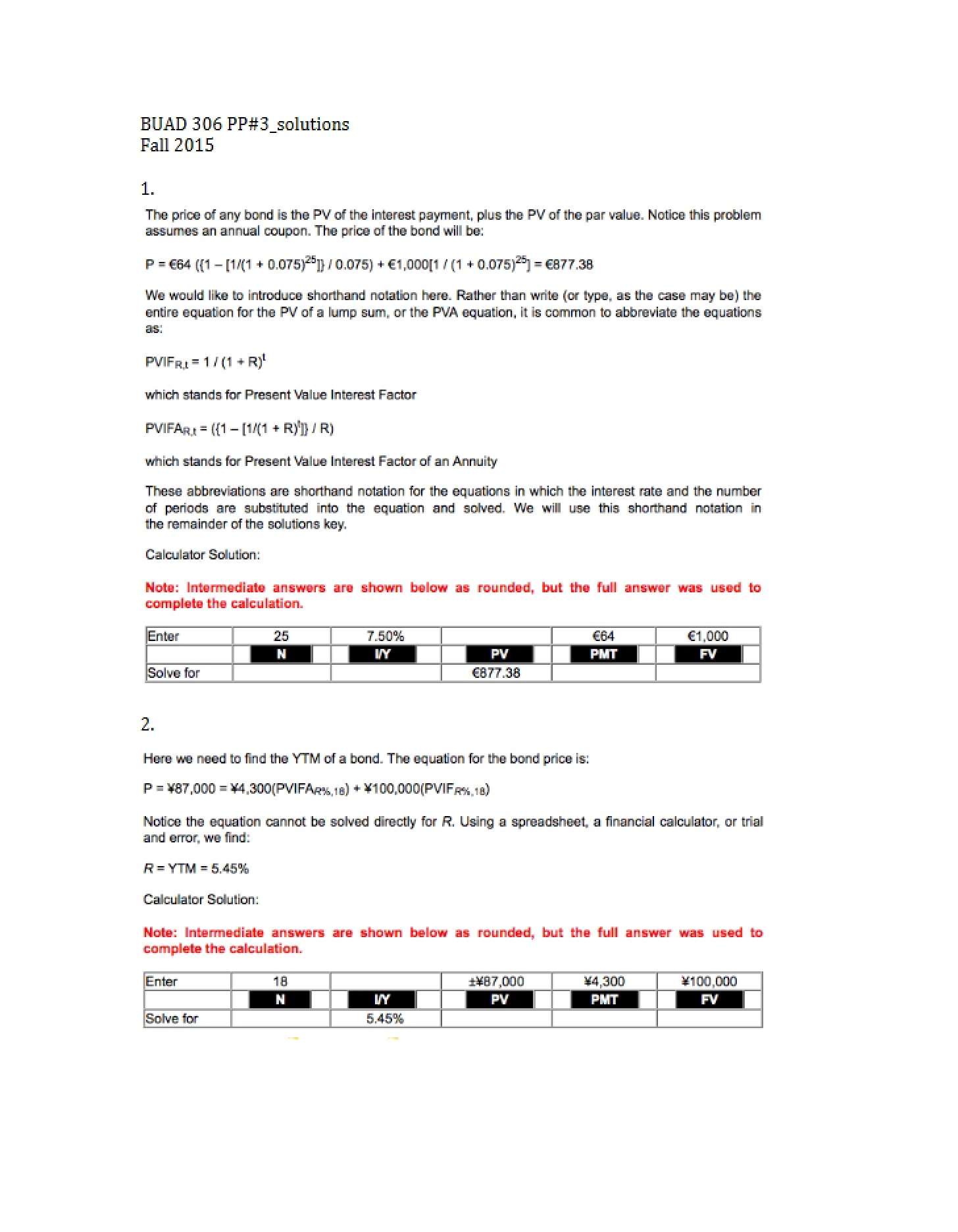
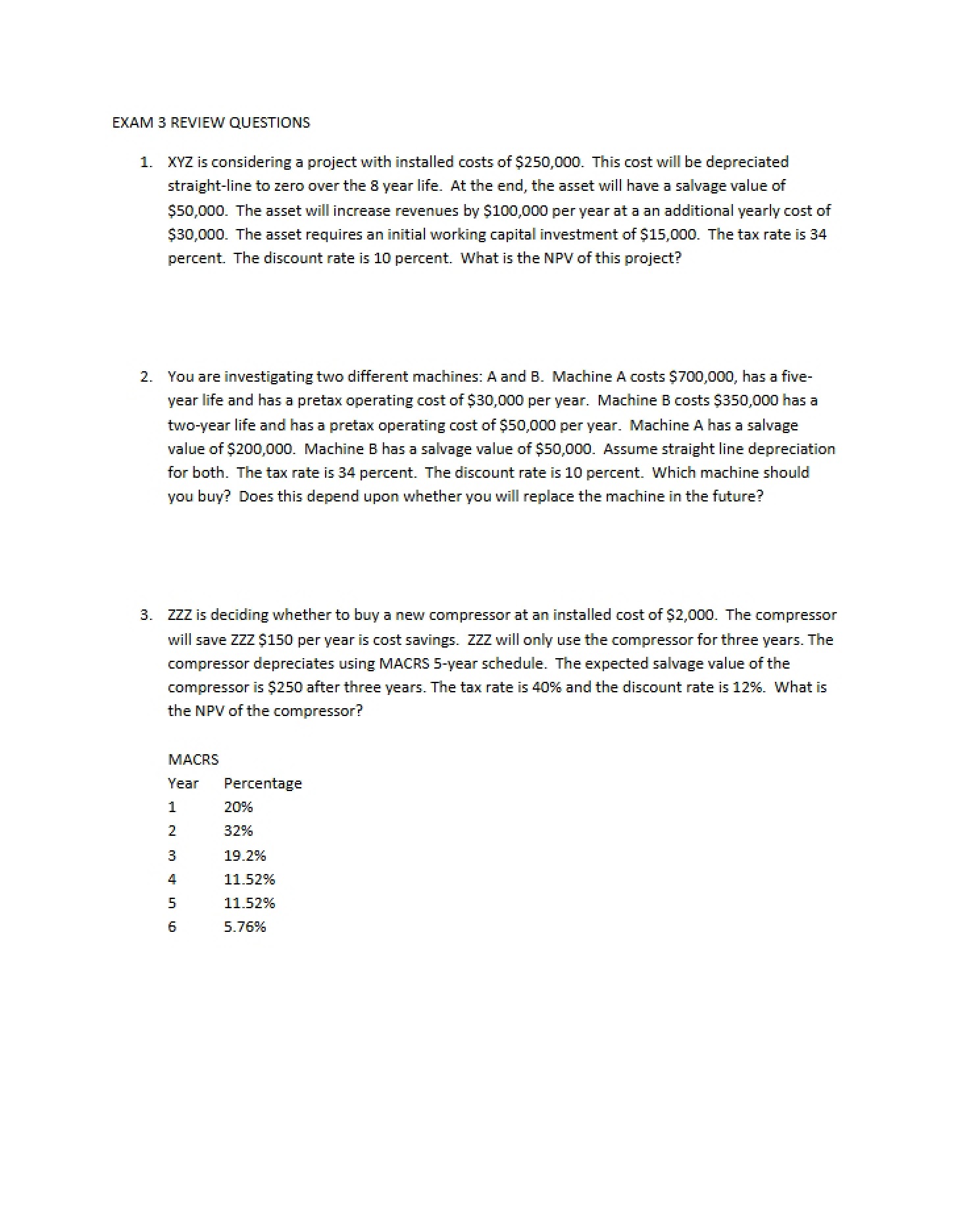
This is a practice problem set designed to reinforce core concepts covered in a Business Finance course (BUAD 306) at the University of Southern California. Specifically, it focuses on applying financial principles to real-world scenarios involving time value of money, interest rates, and investment analysis. It’s structured as a series of independent problems requiring calculations and application of learned formulas. This set is designed to test your ability to translate theoretical knowledge into practical problem-solving skills.
Why This Document Matters
Students enrolled in BUAD 306, or similar introductory finance courses, will find this resource particularly valuable. It’s ideal for self-assessment, exam preparation, and solidifying understanding of key financial calculations. Working through these problems will help identify areas where further study is needed and build confidence in tackling more complex financial analyses. It’s best utilized *after* reviewing relevant lecture materials and textbook chapters, as a way to actively apply those concepts. This practice set is especially helpful as you approach midterms or final examinations.
Common Limitations or Challenges
This problem set does *not* provide step-by-step solutions or detailed explanations. It’s intended to be a self-directed learning tool, requiring you to actively recall and apply the appropriate financial formulas and techniques. It also doesn’t cover all possible finance topics; it concentrates on a specific subset of time value of money and related concepts. Access to a financial calculator or spreadsheet software is highly recommended, but not provided.
What This Document Provides
* A series of quantitative problems relating to simple and compound interest calculations.
* Scenarios involving future value and present value determinations.
* Problems focused on calculating effective annual rates from stated rates.
* Applications of annuity concepts, including present and future values.
* Practice with determining the required savings amounts to achieve specific financial goals.
* Comparative analyses of different loan options based on compounding frequency and interest rates.
* Problems requiring the application of continuous compounding principles.