What This Document Is
This document represents the lecture materials from the seventh session of a first-semester, general chemistry course (CHEM 115) at West Virginia University. It delves into the foundational concepts surrounding the mole – a critical unit for quantifying matter at the atomic and molecular level. The lecture builds upon earlier discussions of atomic structure and introduces methods for relating macroscopic measurements to the microscopic world of atoms, molecules, and formula units. It’s designed to solidify understanding of chemical quantities and their interrelationships.
Why This Document Matters
This material is essential for any student beginning their journey in chemistry. A firm grasp of the concepts presented here is crucial for success in subsequent topics like stoichiometry, chemical reactions, and solution chemistry. Students who are struggling to connect the mass of a substance to the number of particles it contains will find this particularly helpful. It’s best reviewed *during* and *after* attending the corresponding lecture, and before tackling related problem sets or lab work. It serves as a strong foundation for more advanced chemical calculations.
Common Limitations or Challenges
This lecture provides a theoretical framework and conceptual understanding. It does *not* include worked-out example problems with step-by-step solutions, nor does it offer practice quizzes or assessments. While it introduces key relationships, it doesn’t substitute for actively working through problems to develop proficiency. It assumes a basic understanding of the periodic table and atomic mass. It also doesn’t cover the experimental techniques used to determine these quantities.
What This Document Provides
* An explanation of “collection terms” used to quantify discrete items.
* A detailed introduction to the concept of the mole and Avogadro’s number.
* Clarification of the difference between using the mole to quantify elements versus compounds.
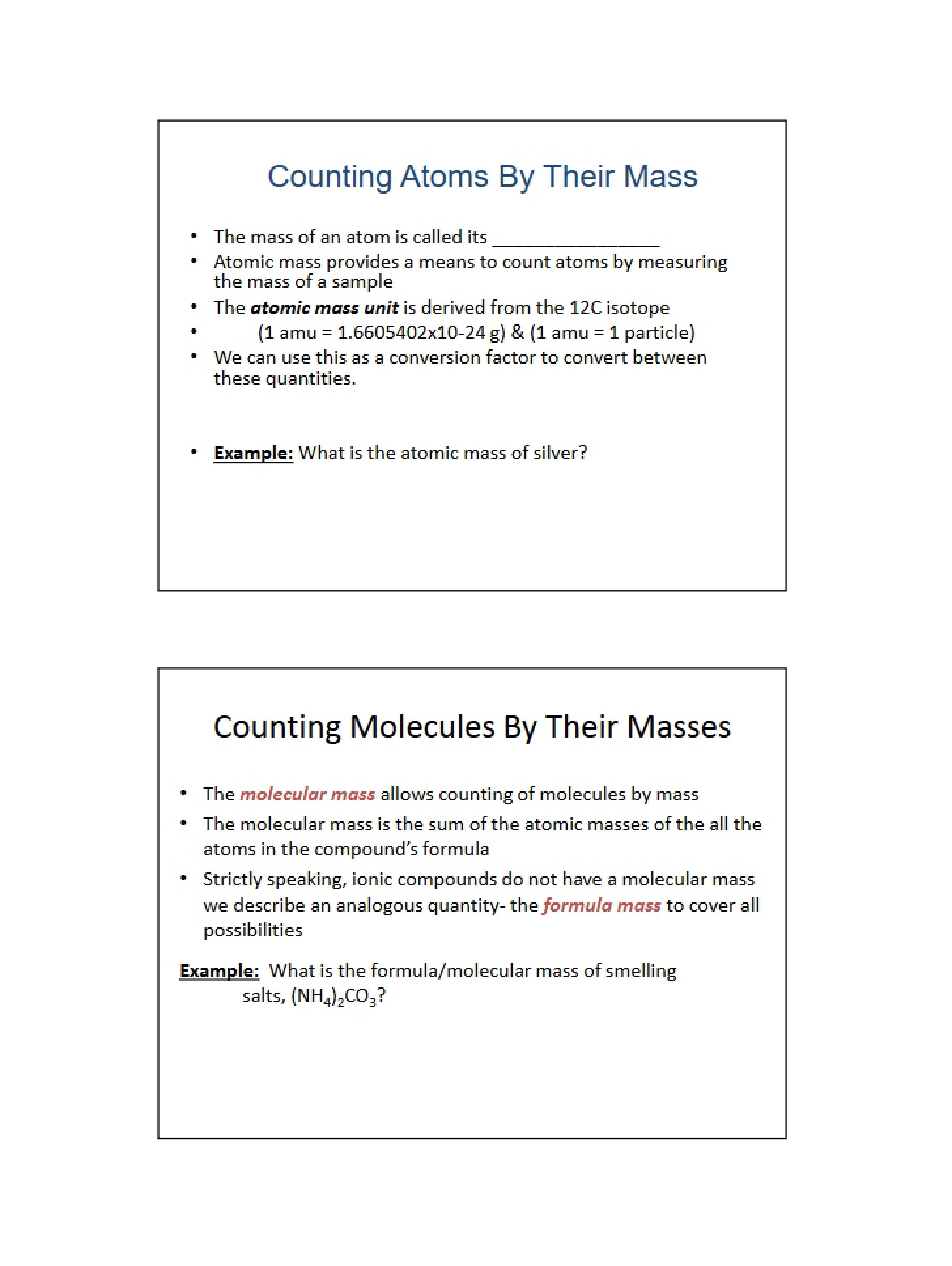
* Discussion of the relationship between macroscopic measurements (mass) and microscopic quantities (atoms, molecules, formula units).
* An overview of molar mass and its use as a conversion factor.
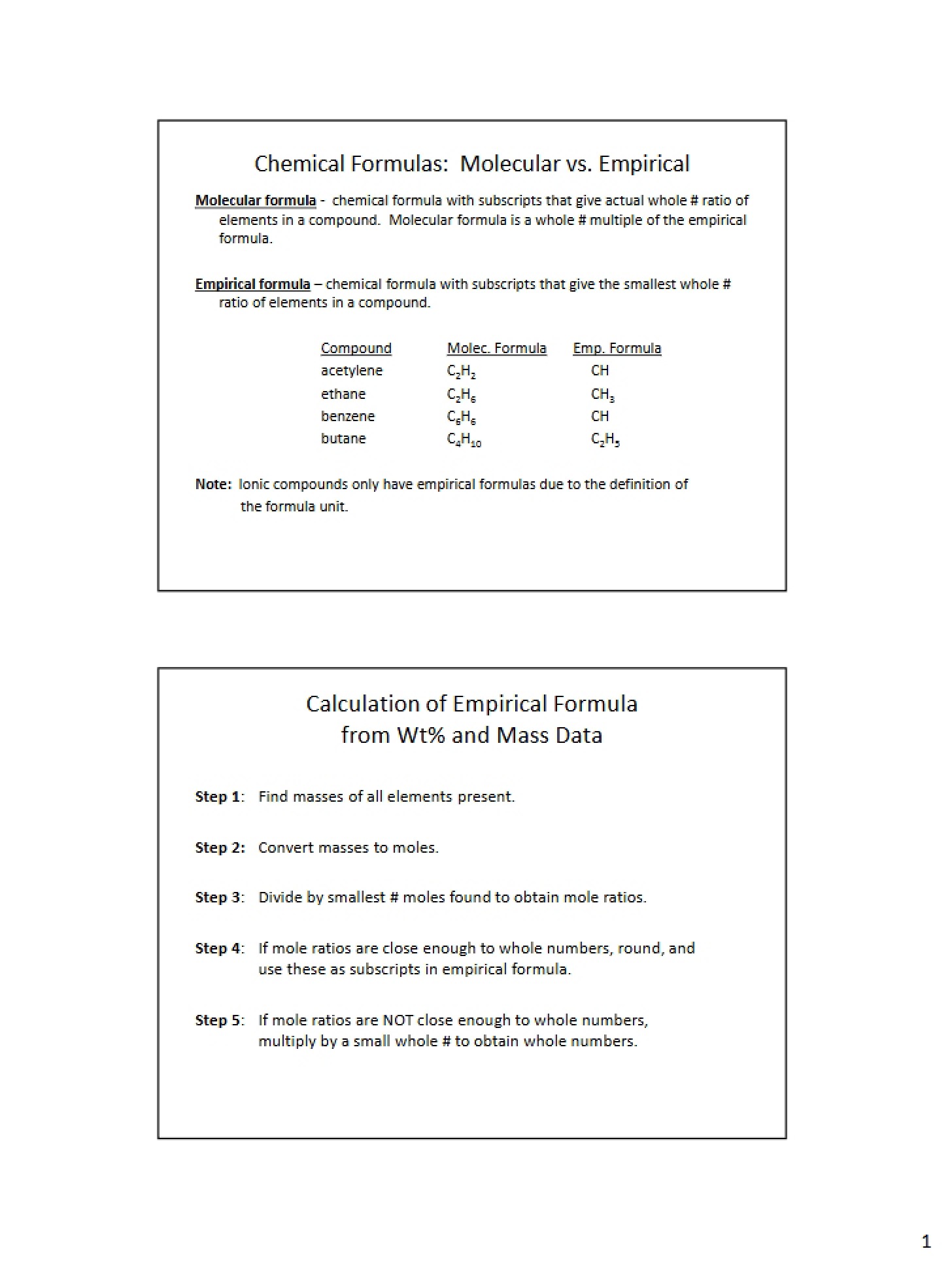
* An introduction to using chemical formulas to establish relationships between elements within a compound.
* An explanation of percent composition and how to calculate it.