What This Document Is
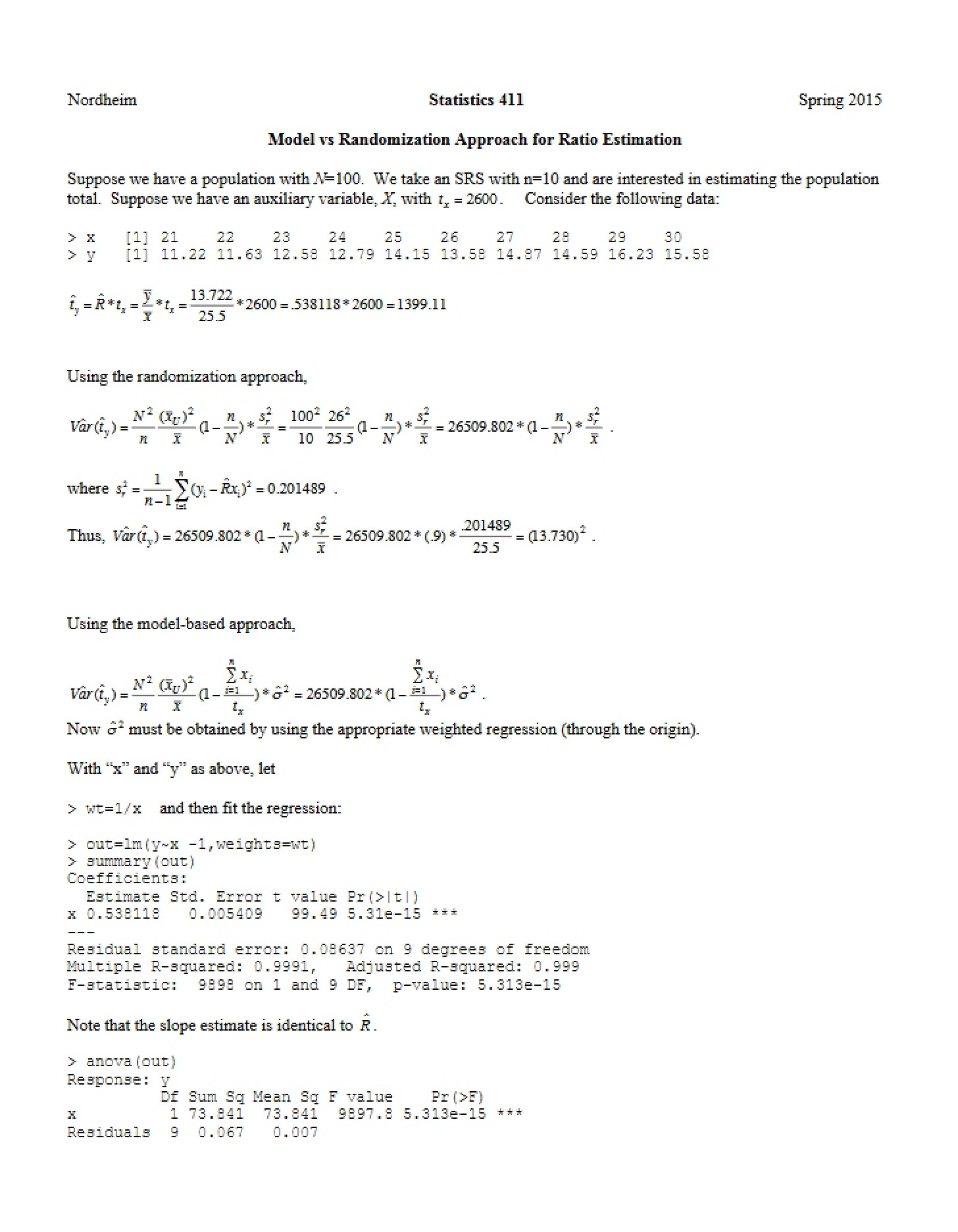
This material is a focused exploration within the field of statistical sampling, specifically delving into ratio estimation techniques when dealing with stratified populations. It builds upon foundational survey methods and applies them to scenarios where data is categorized into distinct groups, or strata. The core focus is on estimating population means using ratios derived from sample data within each stratum. It appears to be part of a university-level course on sample survey theory and methods.
Why This Document Matters
Students enrolled in statistics courses – particularly those focused on survey methodology, experimental design, or data analysis – will find this resource valuable. It’s especially relevant for those needing to understand how to improve the precision of estimates when dealing with heterogeneous populations. Professionals in fields like market research, public health, or social sciences, who regularly design and analyze surveys, will also benefit from grasping these techniques. This would be useful when you need to estimate a characteristic of a population when you have auxiliary information available at the stratum level.
Common Limitations or Challenges
This resource concentrates specifically on ratio estimation within a stratified sampling framework. It does *not* cover the broader landscape of sampling methods, nor does it provide a comprehensive introduction to statistical theory. It assumes a pre-existing understanding of basic statistical concepts like means, variances, and sampling distributions. It also doesn’t address potential issues related to non-response or weighting adjustments. The material focuses on a specific application – estimating worker-hours lost – and may require adaptation for different research contexts.
What This Document Provides
* A focused examination of ratio estimation techniques.
* Illustrative examples utilizing a two-stratum scenario.
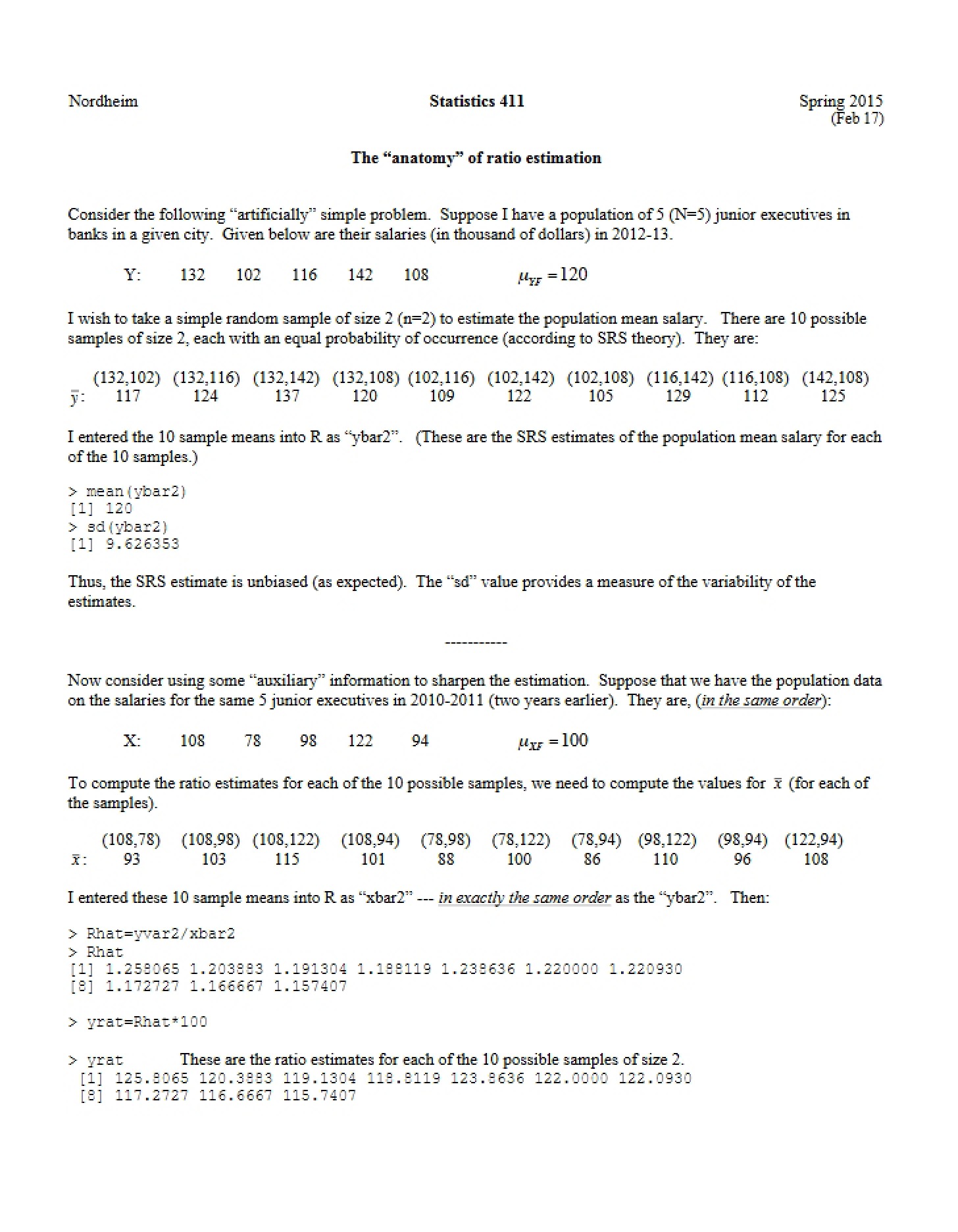
* A comparison of separate versus combined ratio estimation approaches.
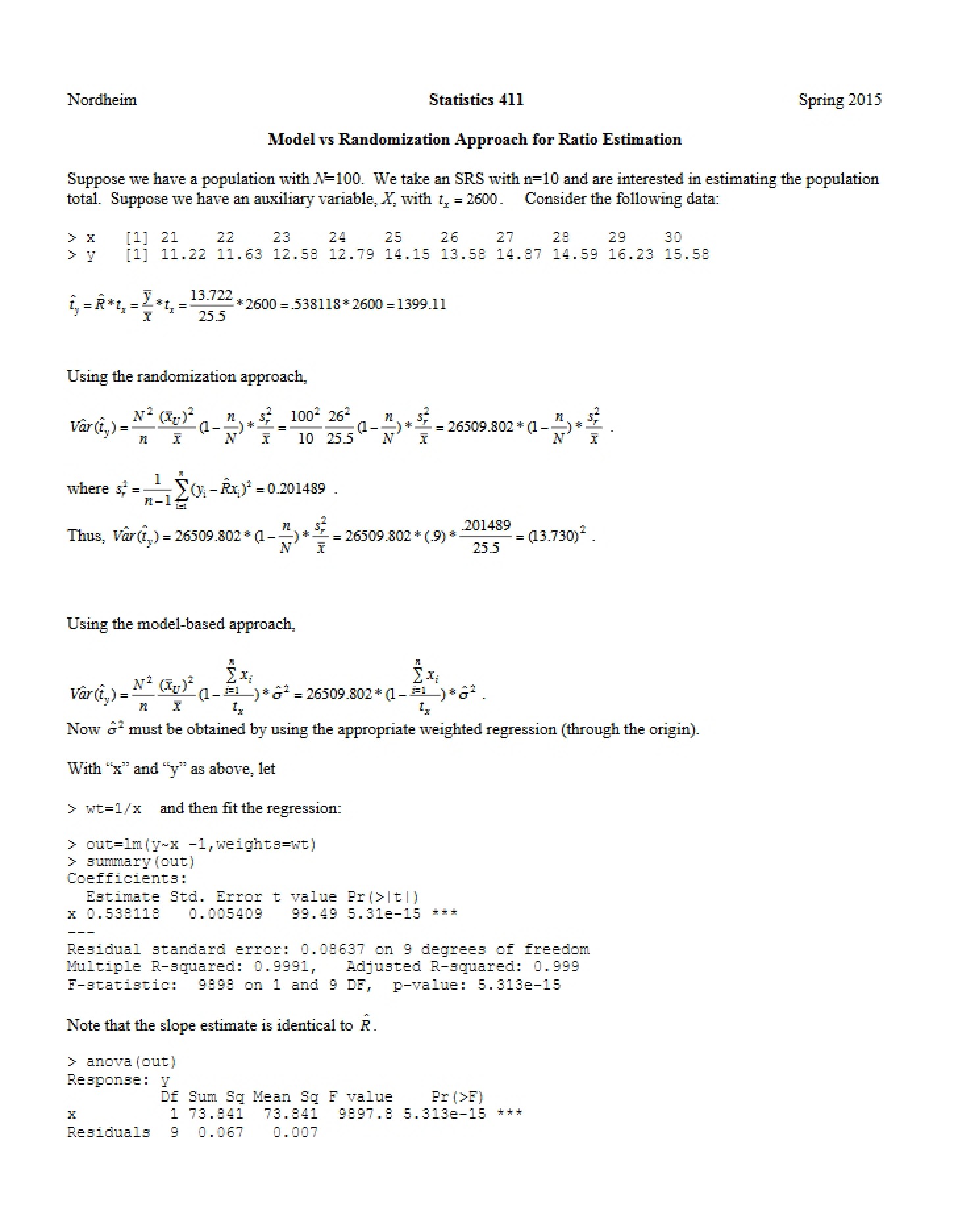
* Discussion of variance estimation related to ratio estimators.
* Exploration of the impact of stratum sizes on estimation precision.
* Presentation of calculations related to estimated means and variances.