What This Document Is
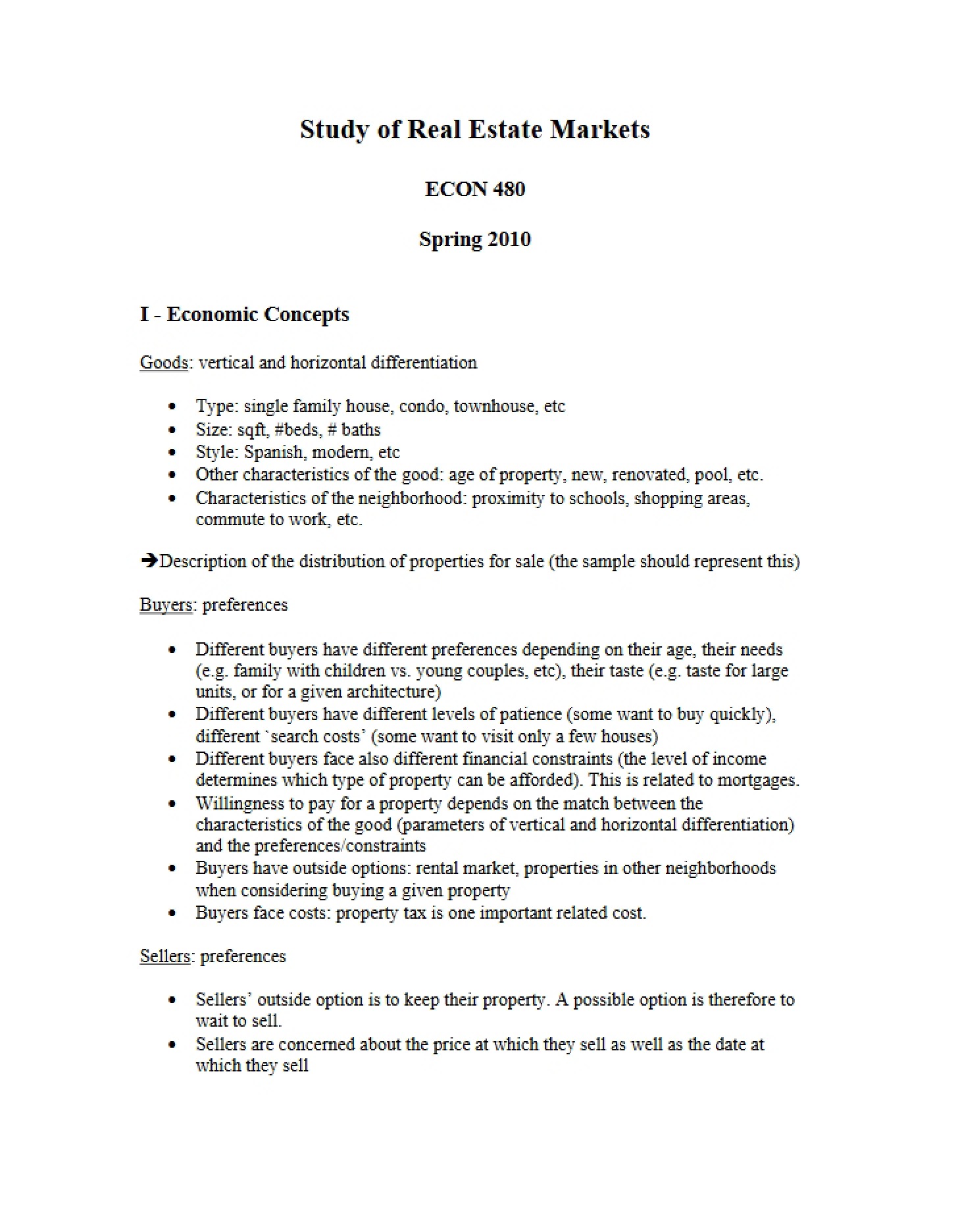
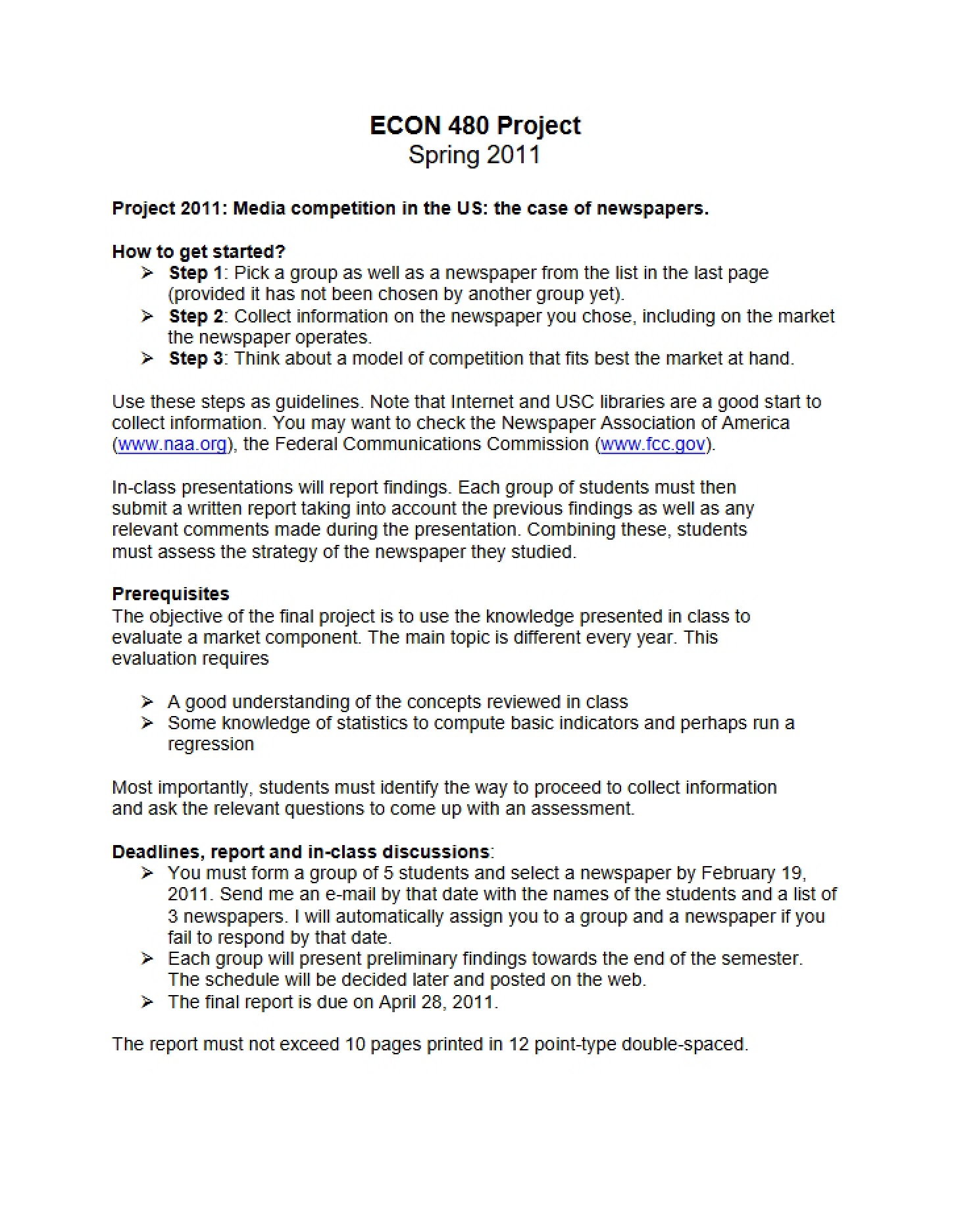
This is a comprehensive study guide designed to support students enrolled in an advanced Economics of Industrial Organization (ECON 480) course at the University of Southern California. It focuses on preparing students for a final assessment by consolidating key concepts and analytical frameworks covered throughout the semester. The guide delves into the strategic interactions between firms within various market structures, moving beyond basic competitive models. It specifically addresses topics related to product differentiation, quality considerations, and the complexities of monopolistic behavior.
Why This Document Matters
This study guide is an invaluable resource for students aiming to solidify their understanding of industrial organization principles and improve their performance on the final exam. It’s particularly helpful for those who benefit from a structured review of course material, or who are looking for a focused resource to identify areas needing further attention. Students who have found the course’s game-theoretic applications challenging will find this guide especially useful as a refresher. Utilizing this guide will help you approach complex scenarios with a stronger analytical foundation.
Common Limitations or Challenges
This study guide is *not* a substitute for attending lectures, completing assigned readings, or actively participating in class discussions. It does not contain solved problem sets or practice exam questions. The guide serves as a high-level overview and conceptual framework; it won’t provide step-by-step solutions or detailed calculations. It assumes a foundational understanding of microeconomic principles and game theory as taught within the course.
What This Document Provides
* A focused review of core concepts related to product variety and quality decisions under conditions of imperfect competition.
* An overview of game-theoretic foundations, including key elements like players, rules, outcomes, and payoffs.
* Clarification of different game types – static vs. dynamic, complete vs. incomplete information.
* Discussion of fundamental assumptions underlying game-theoretic analysis, such as rationality and common knowledge.
* A framework for understanding strategic interactions and interdependent decision-making in industrial settings.