What This Document Is
This study guide focuses on a core concept within introductory university physics – specifically, the mechanics of friction. Developed for students in the University of Illinois at Urbana-Champaign’s PHYS 211 course (University Physics – Mechanics), it’s designed to help you build a strong foundational understanding of frictional forces and their impact on motion. The material delves into the nuances of static and kinetic friction, exploring the factors that influence these forces and how they manifest in real-world scenarios.
Why This Document Matters
If you’re enrolled in PHYS 211 or a similar introductory mechanics course, this resource can be invaluable. It’s particularly helpful when you’re tackling problems involving forces, motion, and equilibrium. Students often find friction concepts challenging due to the interplay of multiple variables; this guide aims to clarify those relationships. Use it to supplement your lecture notes, textbook readings, and homework assignments, and as a focused review tool before quizzes and exams. It’s best utilized *after* initial exposure to the concepts in class, to solidify your understanding.
Common Limitations or Challenges
This study guide is not a substitute for attending lectures or completing assigned readings. It doesn’t provide a complete course syllabus or cover every single topic within the broader scope of mechanics. While it explores the principles of friction, it doesn’t offer step-by-step solutions to specific textbook problems or worked examples. It also assumes a basic understanding of fundamental physics concepts like force, mass, and Newton’s Laws of Motion. It is focused solely on friction and related concepts, and does not cover other areas of mechanics.
What This Document Provides
* A focused exploration of static and kinetic friction.
* Discussion of the factors influencing the magnitude of frictional forces.
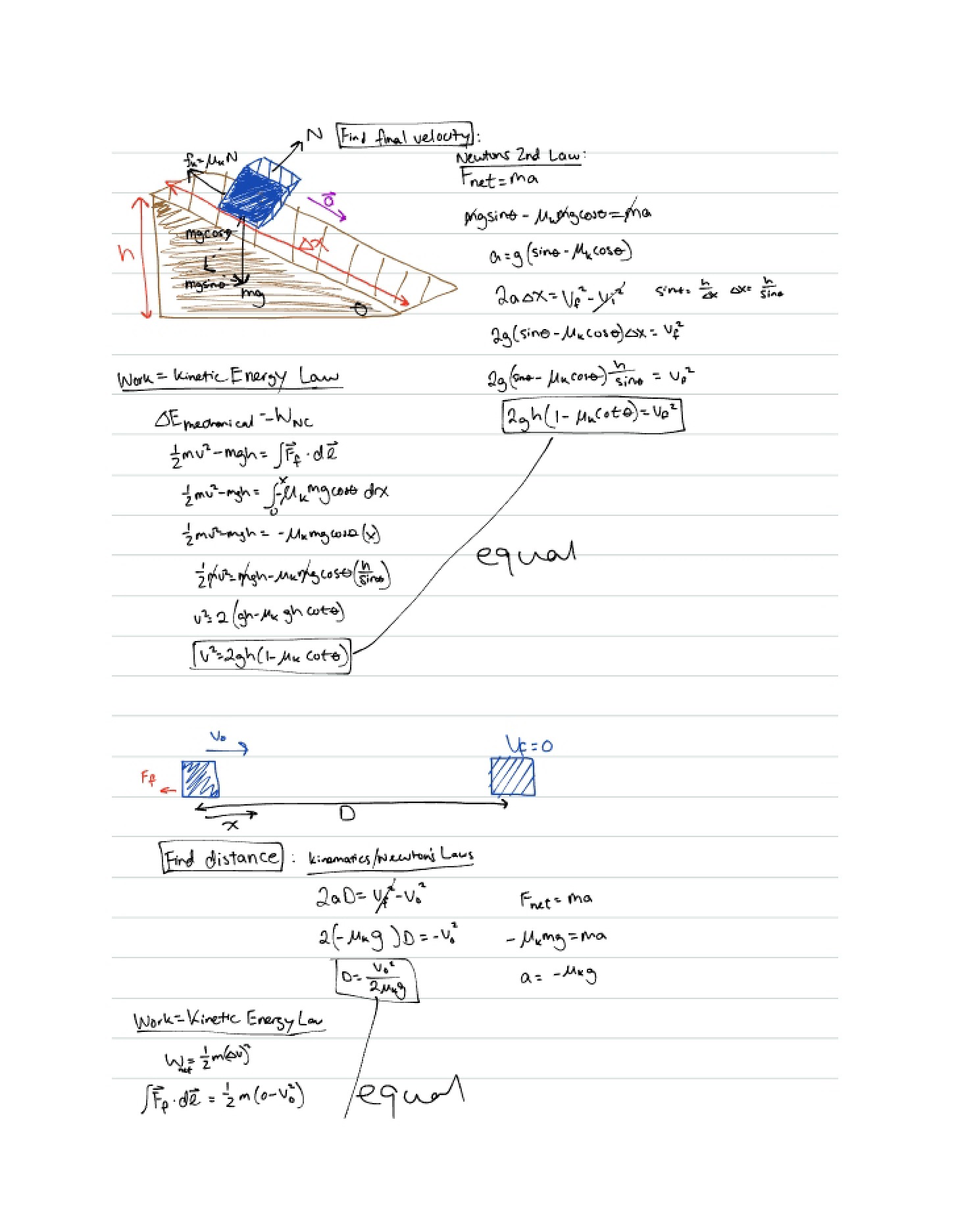
* Consideration of scenarios involving inclined planes and frictional forces.
* Examination of the relationship between friction and motion.
* Key definitions and terminology related to friction.
* Conceptual insights into the behavior of frictional forces under varying conditions.
* Analysis of how normal force impacts frictional force.