What This Document Is
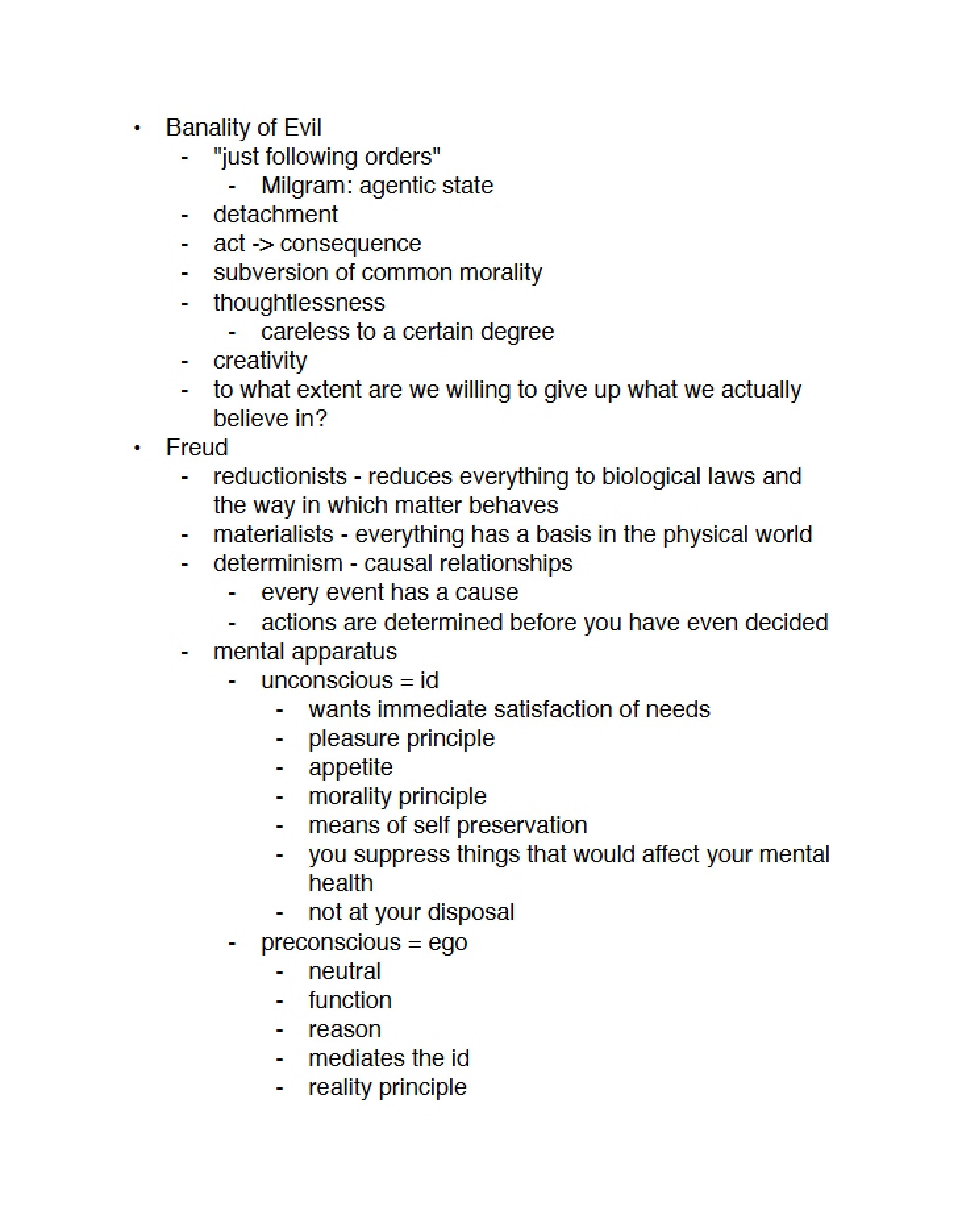
This resource is a focused summary and critical analysis of a key work within the field of psychology – specifically, a foundational text exploring the core tenets of psychodynamic theory. It delves into the complex interplay of internal forces believed to drive human behavior, examining concepts related to the unconscious mind and the development of personality. The summary unpacks a specific passage from the original work, offering a concentrated overview of its arguments and implications for understanding motivation and societal interaction.
Why This Document Matters
Students enrolled in courses like Contemporary Moral Issues, Introduction to Philosophy, or Psychology will find this particularly useful. It’s ideal for those seeking a quick yet thorough grasp of complex theoretical frameworks before lectures, during exam preparation, or when tackling essay assignments. Individuals needing to understand the historical roots of psychological thought and its influence on broader philosophical debates will also benefit. This is a valuable tool for solidifying comprehension of challenging material, but it is not a substitute for engaging with the original source.
Common Limitations or Challenges
This summary provides an interpretation and distillation of a single passage; it does not encompass the entirety of the author’s work or the full scope of psychodynamic theory. It focuses on a specific line of reasoning and does not offer a comprehensive overview of alternative perspectives or competing schools of thought. Furthermore, it presents a critical response to the original text, offering an alternative viewpoint – this is a point of analysis, not a definitive rebuttal, and further research is encouraged.
What This Document Provides
* A concise overview of core concepts related to instinctual drives and their influence on behavior.
* An exploration of the proposed relationship between unconscious processes and observable actions.
* Analysis of the role of internal mechanisms in navigating societal expectations and constraints.
* A critical perspective on the foundational assumptions and potential limitations of the presented theory.
* Discussion of the complexities surrounding motivation and the potential for alternative interpretations of human desires.