What This Document Is
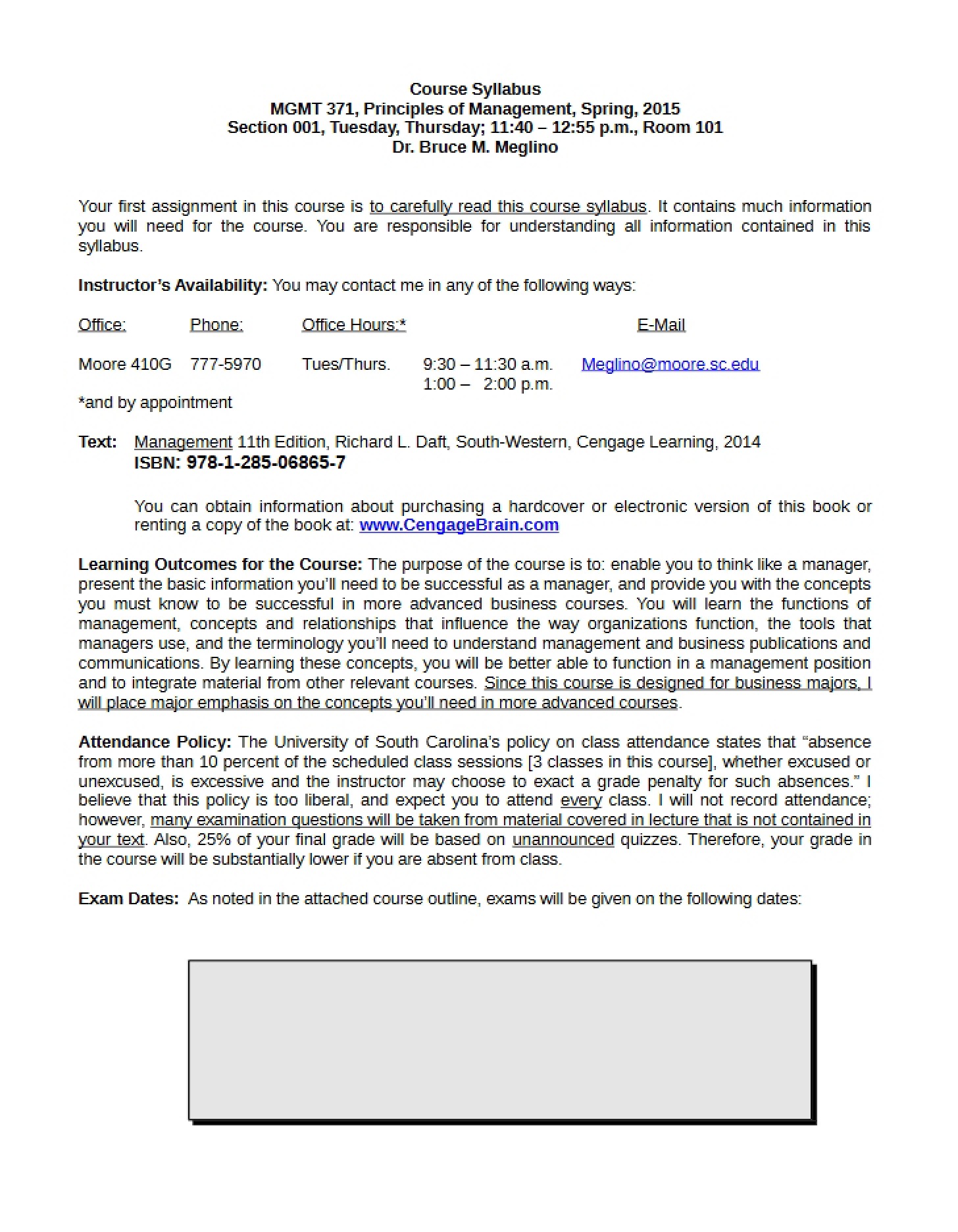
This document is a practice test designed to assess your understanding of core principles within a Principles of Management course (MGMT 371 at the University of South Carolina). It focuses on the critical area of organizational control and financial performance measurement, building upon concepts typically covered in the latter half of the course. Expect questions relating to how organizations monitor and regulate activities to achieve strategic goals.
Why This Document Matters
This resource is invaluable for students preparing for assessments on control systems, budgeting, and financial analysis within a management context. It’s best utilized *after* you’ve thoroughly reviewed the relevant textbook chapters and lecture materials. Working through practice questions helps solidify your knowledge, identify areas where you need further study, and build confidence before a high-stakes exam. It’s particularly helpful for understanding how theoretical concepts translate into practical application within a business setting.
Common Limitations or Challenges
This practice test is designed to *evaluate* your understanding, not to *teach* the material. It assumes you have a foundational grasp of the concepts. It does not include detailed explanations of correct answers, nor does it offer a comprehensive review of all course content. It’s a focused assessment, and success depends on your prior learning. It also doesn’t represent the *exact* format or content of the actual exam.
What This Document Provides
* Coverage of key control concepts – including feedback, feedforward, and concurrent controls.
* Exploration of different types of budgets used in organizational planning and resource allocation.
* An overview of financial ratios used to assess organizational performance (liquidity, activity, profitability, and leverage).
* Discussion of different approaches to organizational control – hierarchical versus decentralized.
* Examination of modern control techniques like open book management and total quality management.