What This Document Is
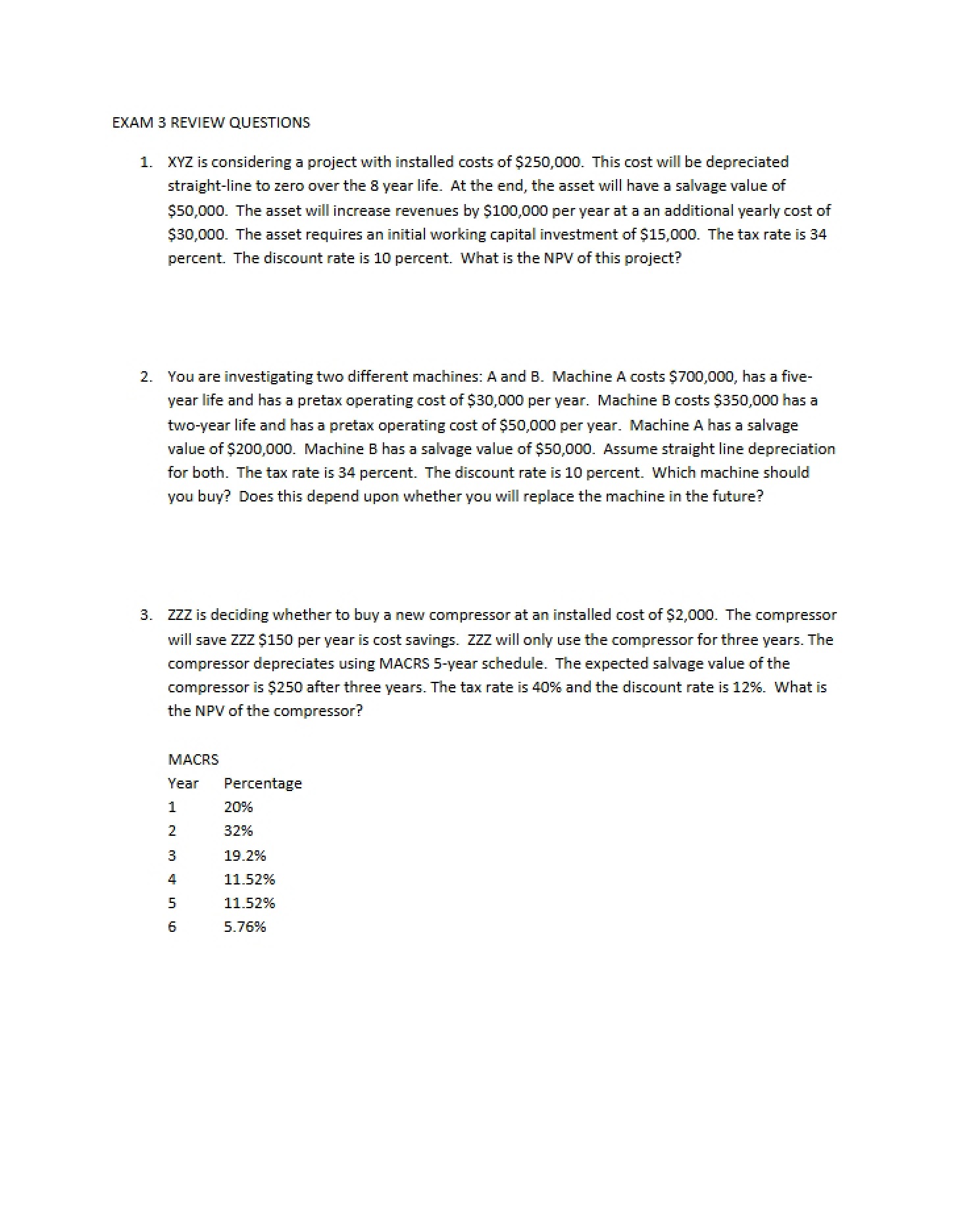
This is a practice exam designed for students enrolled in Business Finance (BUAD 306) at the University of Southern California. Specifically, it’s a third mock exam, intended to simulate the format and difficulty level of an in-course assessment. The material covered centers around core principles in financial markets and valuation, building upon concepts typically explored in an introductory finance curriculum. Expect questions that require applying theoretical knowledge to practical scenarios.
Why This Document Matters
This resource is invaluable for any student aiming to solidify their understanding of business finance concepts and assess their preparedness for graded examinations. It’s particularly useful for identifying knowledge gaps and refining test-taking strategies *before* high-stakes assessments. Utilizing this mock exam as part of a broader study plan can significantly boost confidence and improve overall performance in the course. Students who benefit most are those actively seeking to self-evaluate and proactively address areas where they need further review.
Common Limitations or Challenges
While this practice exam is designed to be representative of the course material, it should not be considered a complete or exhaustive review of *all* possible topics. It focuses on a specific selection of concepts and problem types. Furthermore, this exam does not provide detailed explanations or step-by-step solutions; it’s designed to test existing knowledge, not to teach new material. Access to the course textbook, lecture notes, and other learning resources is essential for a comprehensive understanding.
What This Document Provides
* A series of multiple-choice questions covering topics such as asset returns, risk premiums, portfolio weights, and beta calculations.
* Scenarios involving stock valuation and expected rates of return under different economic conditions.
* Questions relating to market efficiency and the Capital Asset Pricing Model (CAPM).
* Problems requiring the application of CAPM to determine appropriate expected returns and assess whether stocks are over or underpriced.
* Questions focused on weighted average cost of capital (WACC) components, including cost of equity calculations.