What This Document Is
This document presents a detailed, worked example illustrating a specific application of two-stage cluster sampling techniques within survey methodology. It delves into a practical scenario involving quality control assessments for a large manufacturing operation, focusing on estimating a key performance indicator across numerous operational units. The example utilizes statistical software output to demonstrate calculations and concepts. It’s designed as a companion piece to broader coursework on sample survey theory.
Why This Document Matters
Students enrolled in courses covering sampling methods, statistical inference, or survey design will find this example particularly valuable. It’s ideal for those seeking to solidify their understanding of how theoretical concepts translate into real-world data analysis. Individuals preparing for roles involving data collection, quality assurance, or statistical consulting in industries with distributed operations (like manufacturing, retail, or service chains) will also benefit. This resource is best used *after* gaining a foundational understanding of basic sampling principles and variance estimation.
Common Limitations or Challenges
This example focuses on a single, specific scenario. It does not provide a comprehensive overview of all two-stage sampling designs or address potential complexities like non-response or weighting adjustments. It assumes a basic level of statistical literacy and familiarity with common statistical notations. The example is illustrative and doesn’t cover the broader considerations of survey design, such as questionnaire development or interviewer training. It also doesn’t explore alternative estimation methods beyond those presented.
What This Document Provides
* A detailed case study involving a company needing to assess operational performance across multiple sites.
* An illustration of how to apply two-stage cluster sampling in a practical setting.
* Demonstration of calculations related to estimating population parameters from sample data.
* Exploration of variance estimation techniques relevant to complex survey designs.
* Analysis of the relationship between sample characteristics and estimation accuracy.
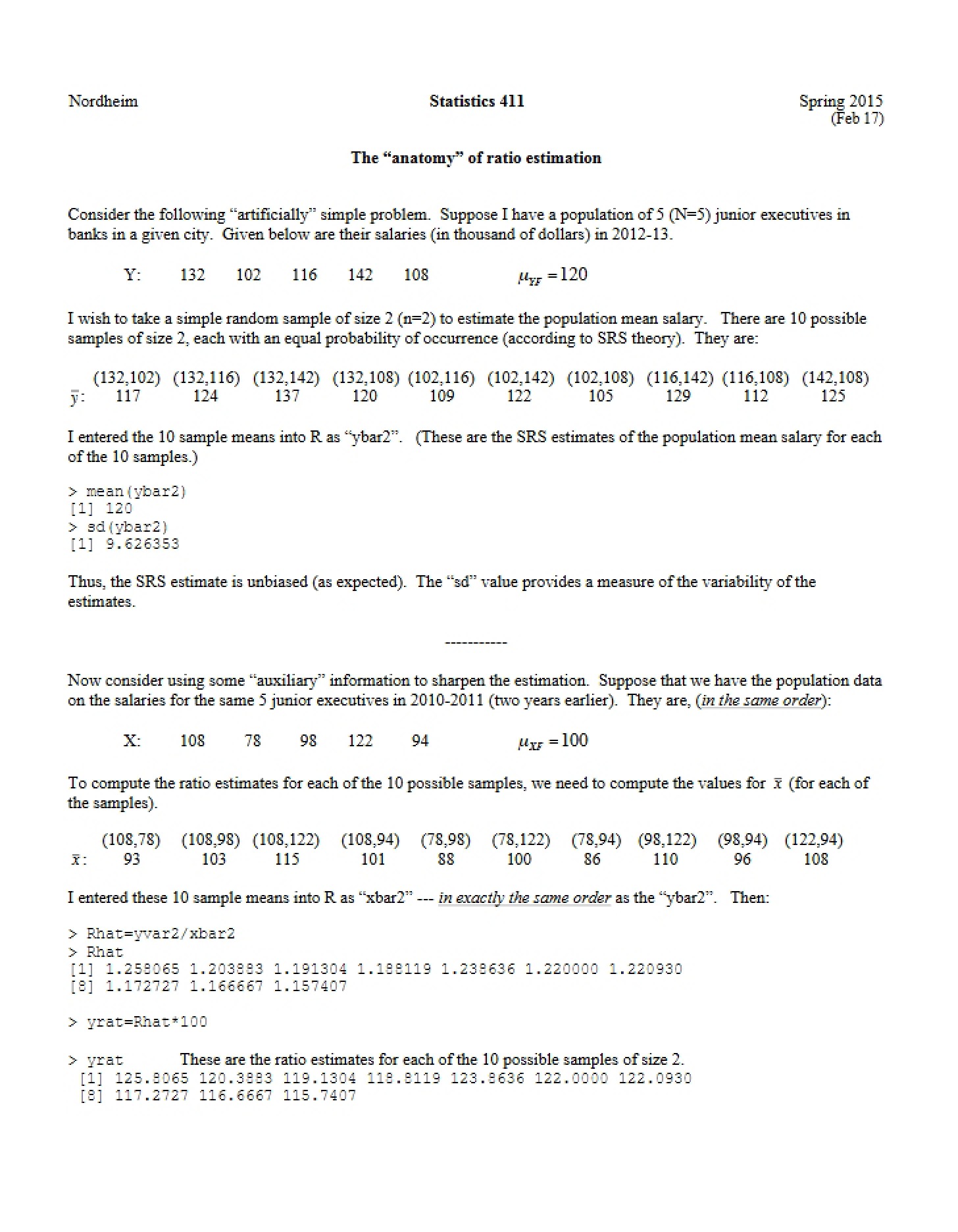
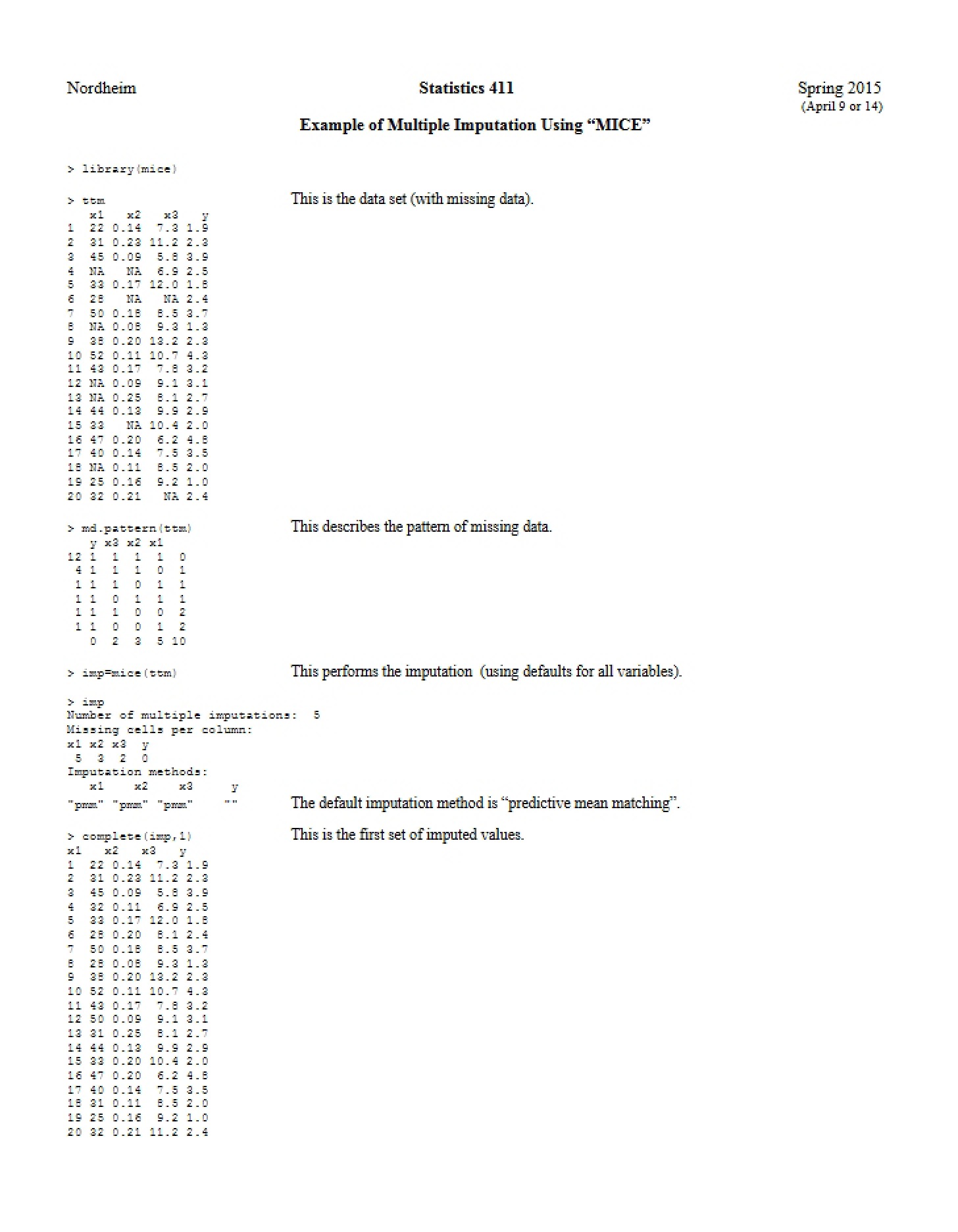
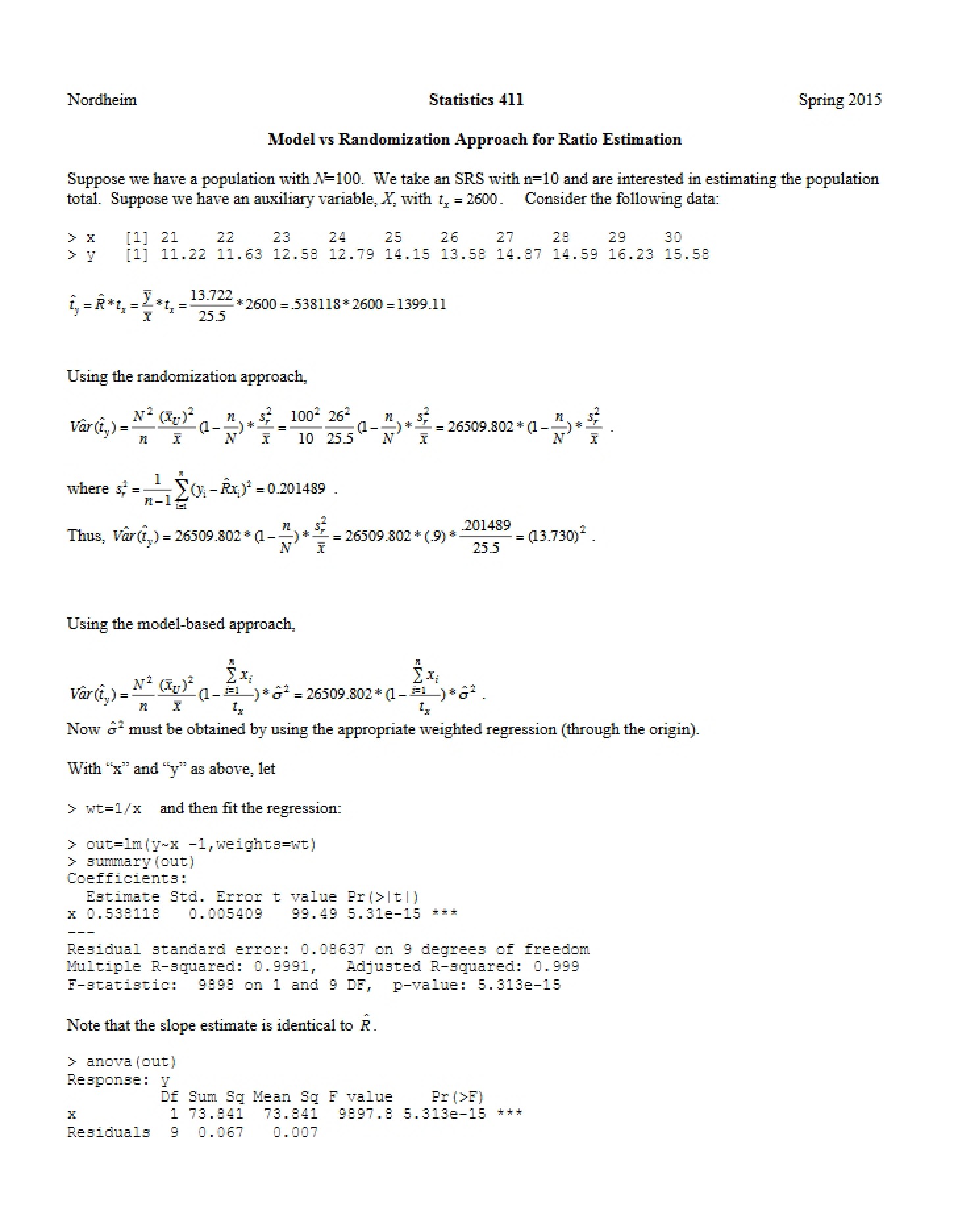
* Presentation of statistical software output used in the analysis.