What This Document Is
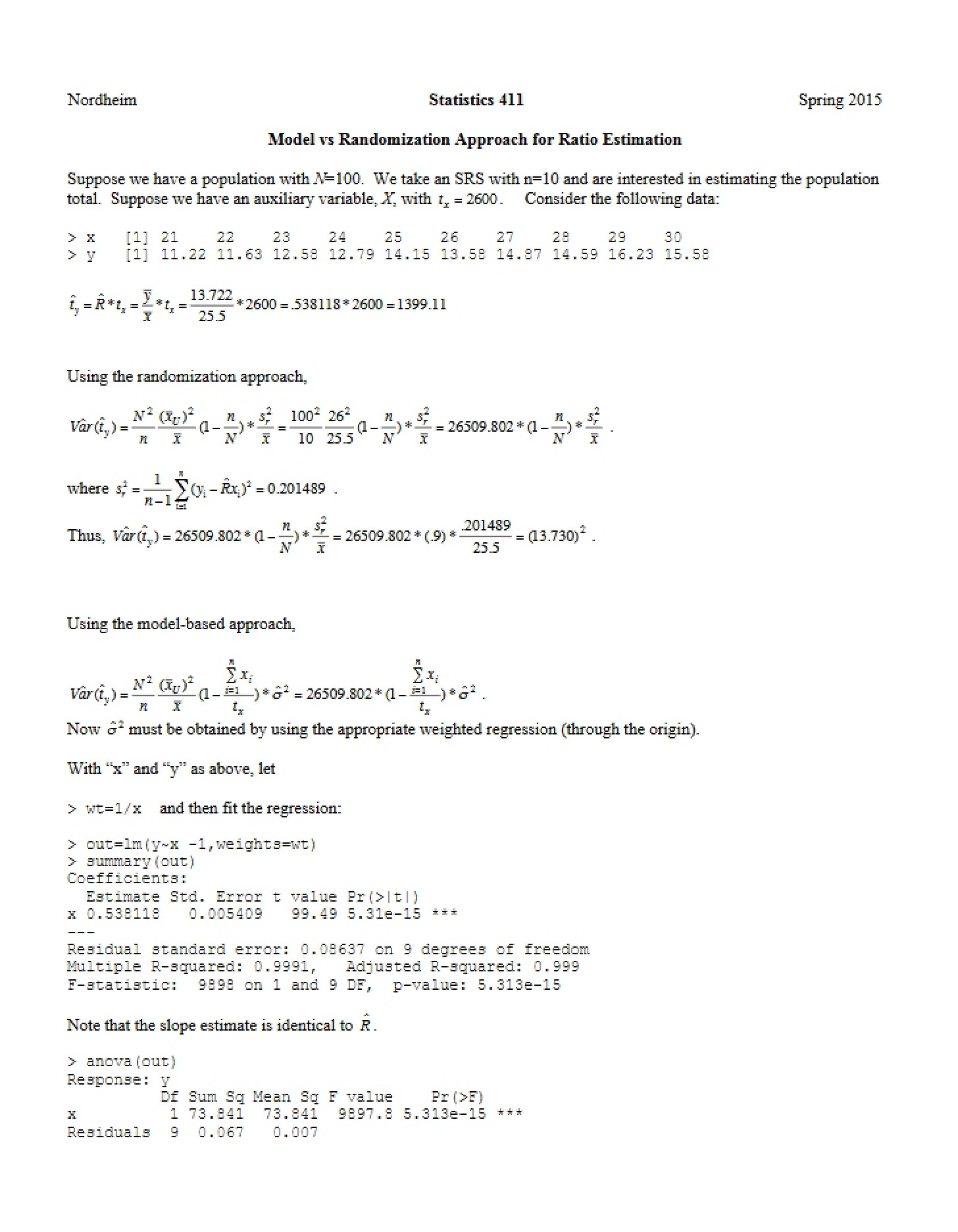
This resource is a focused guide detailing the application of the R statistical programming language to a specific survey estimation technique: ratio estimation. It’s designed as a practical companion to theoretical coursework on sample survey methods, bridging the gap between statistical concepts and their real-world implementation. The material centers around illustrating how to perform calculations related to ratio estimation *using* R, rather than focusing on the underlying mathematical derivations.
Why This Document Matters
Students enrolled in courses covering sampling theory, survey methodology, or statistical inference will find this particularly valuable. It’s ideal for those seeking to solidify their understanding of ratio estimation by actively applying the method with a powerful statistical tool. Researchers and practitioners needing a starting point for implementing ratio estimation in R will also benefit. This is especially useful when dealing with larger datasets where manual calculations become impractical. It’s best used *after* a foundational understanding of ratio estimation has been established through lectures or textbook readings.
Common Limitations or Challenges
This guide concentrates specifically on *using* R for ratio estimation. It does not provide a comprehensive introduction to survey sampling theory itself, nor does it cover alternative estimation techniques. While it touches upon variance estimation, it doesn’t delve into the complexities of design effects or post-stratification. Furthermore, it focuses on a specific, illustrative approach and doesn’t explore all available R packages designed for survey analysis – it intentionally prioritizes understanding the core calculations.
What This Document Provides
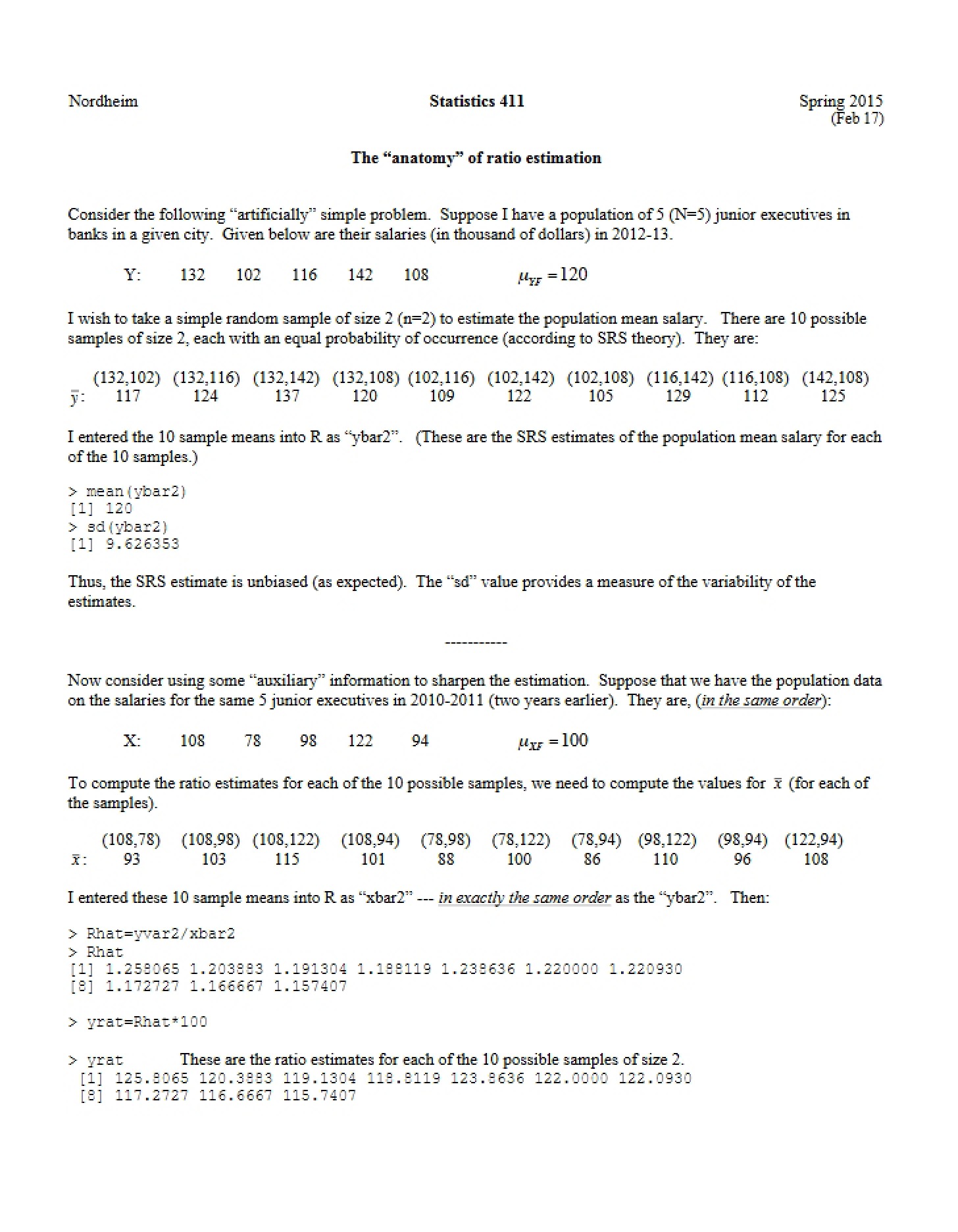
* A step-by-step approach to implementing ratio estimation calculations within the R environment.
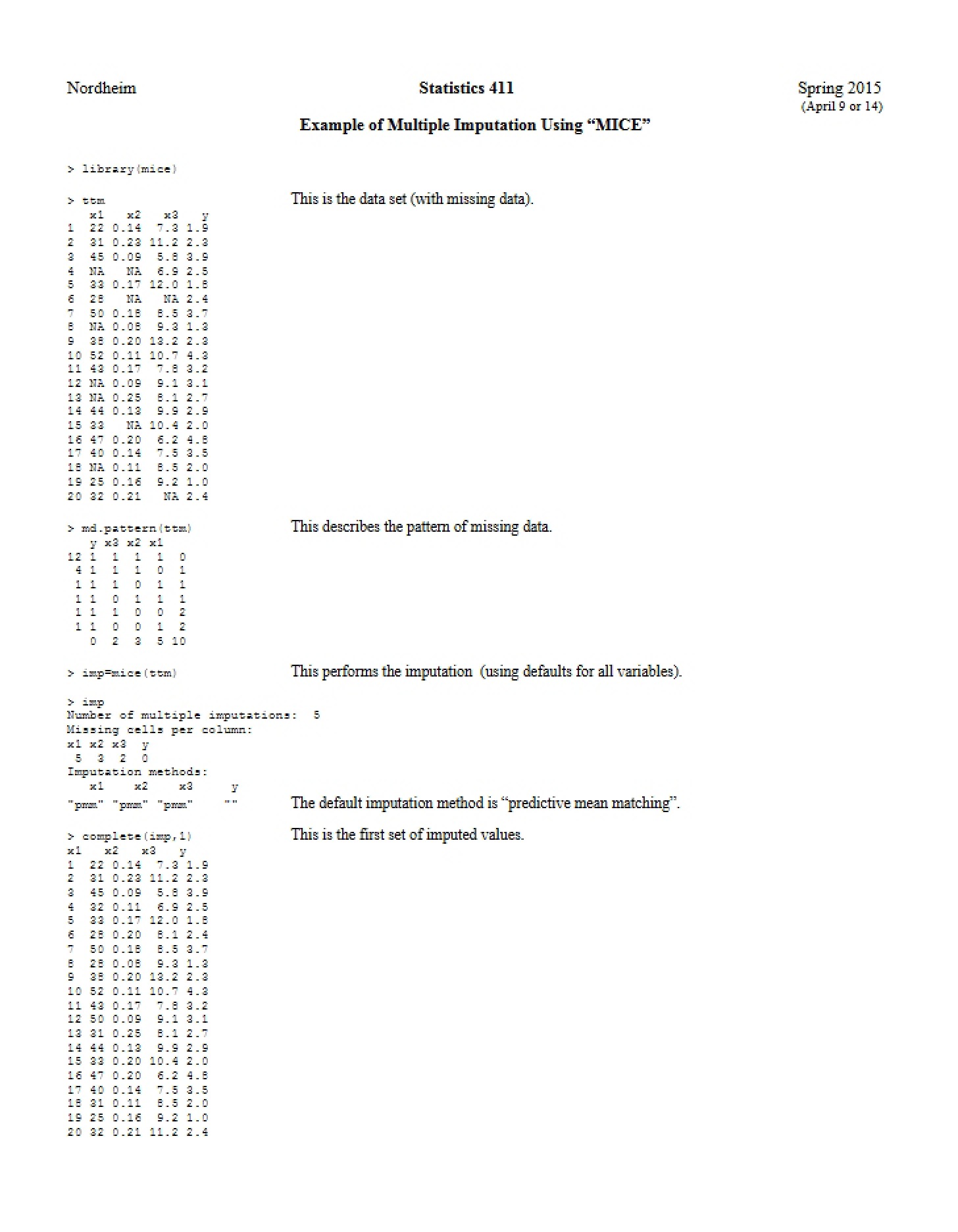
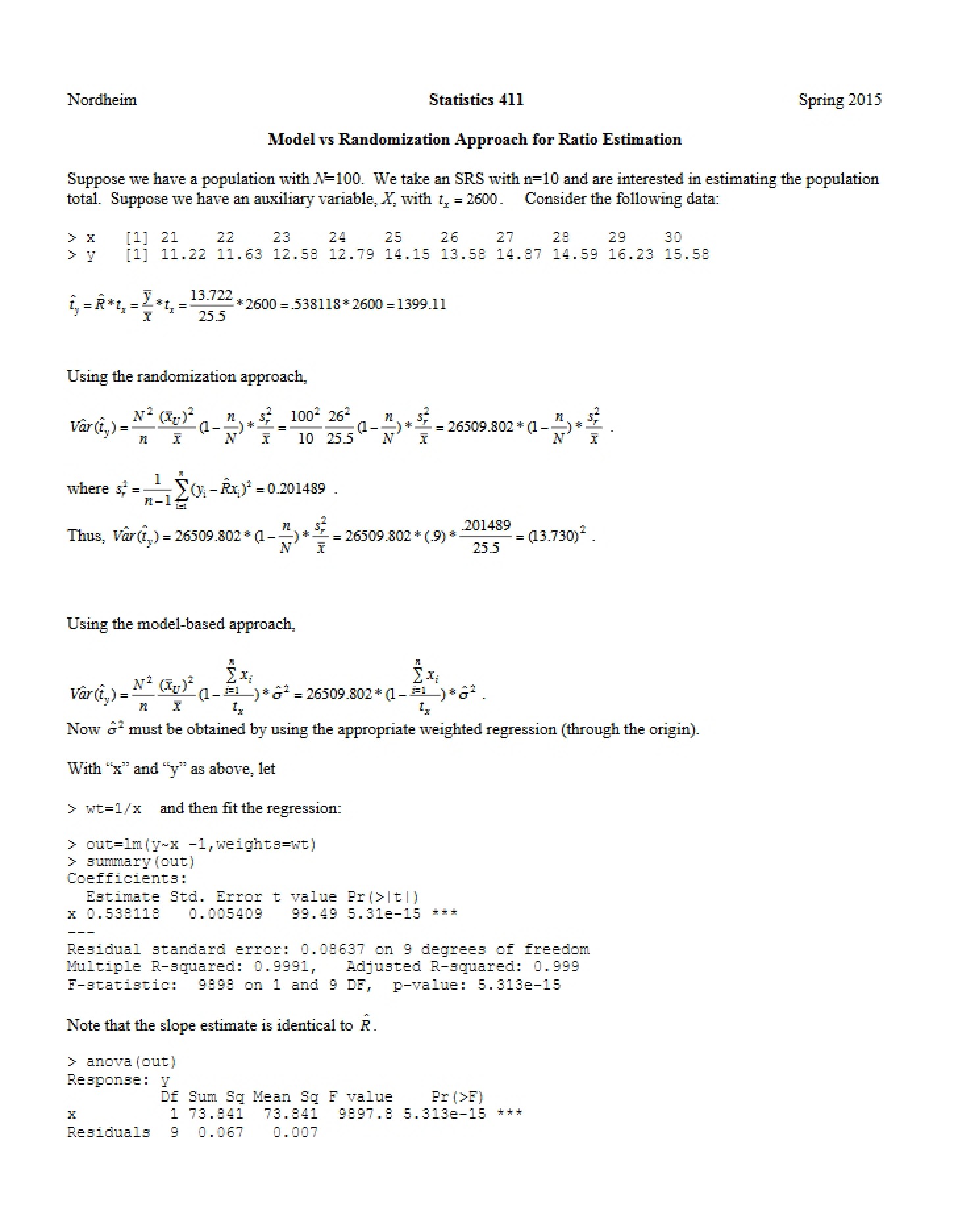
* Illustrative examples demonstrating the process from data input to variance estimation.
* Discussion of how to interpret the results obtained from R.
* A comparison of the estimated variance using ratio estimation versus a simple random sampling approach.
* Guidance on estimating population totals using the ratio estimator.