What This Document Is
This is a homework assignment for BME 513: Signal and Systems Analysis at the University of Southern California, specifically Homework Two from 2014. It focuses on applying core principles of linear time-invariant (LTI) systems and signal representation. The assignment builds upon foundational concepts covered in the course and requires students to demonstrate their ability to analyze and manipulate signals in both the time domain. It’s designed to reinforce understanding of system response and signal decomposition techniques.
Why This Document Matters
This assignment is crucial for students enrolled in a rigorous signal processing course like BME 513. Successfully completing problems of this nature demonstrates a solid grasp of fundamental concepts essential for advanced work in biomedical engineering, electrical engineering, and related fields. Students preparing for exams, reviewing course material, or needing extra practice with LTI systems will find understanding the *types* of problems addressed here particularly valuable. It’s best used *after* attending lectures and reviewing relevant textbook sections, as it expects a working knowledge of signal and system definitions.
Common Limitations or Challenges
This assignment does *not* provide a comprehensive review of all signal and systems concepts. It assumes prior knowledge of signal representations, convolution, and the properties of LTI systems. It also doesn’t offer step-by-step solutions or detailed explanations of the underlying theory – it’s designed to test your ability to *apply* that knowledge. Furthermore, it represents a specific set of problems from one semester and may not cover the full breadth of topics addressed in the course.
What This Document Provides
* Problem statements relating to signal analysis using singularity functions.
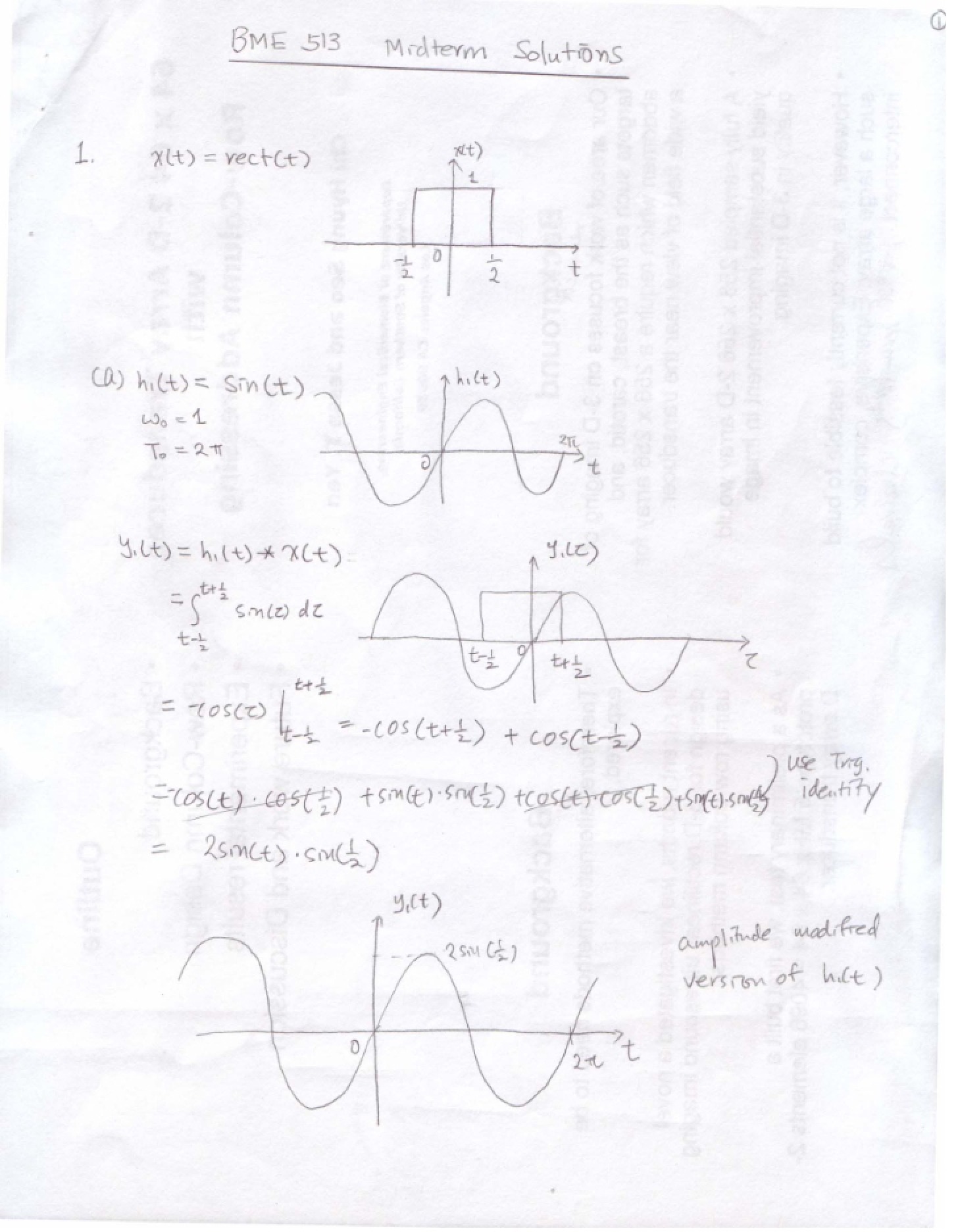
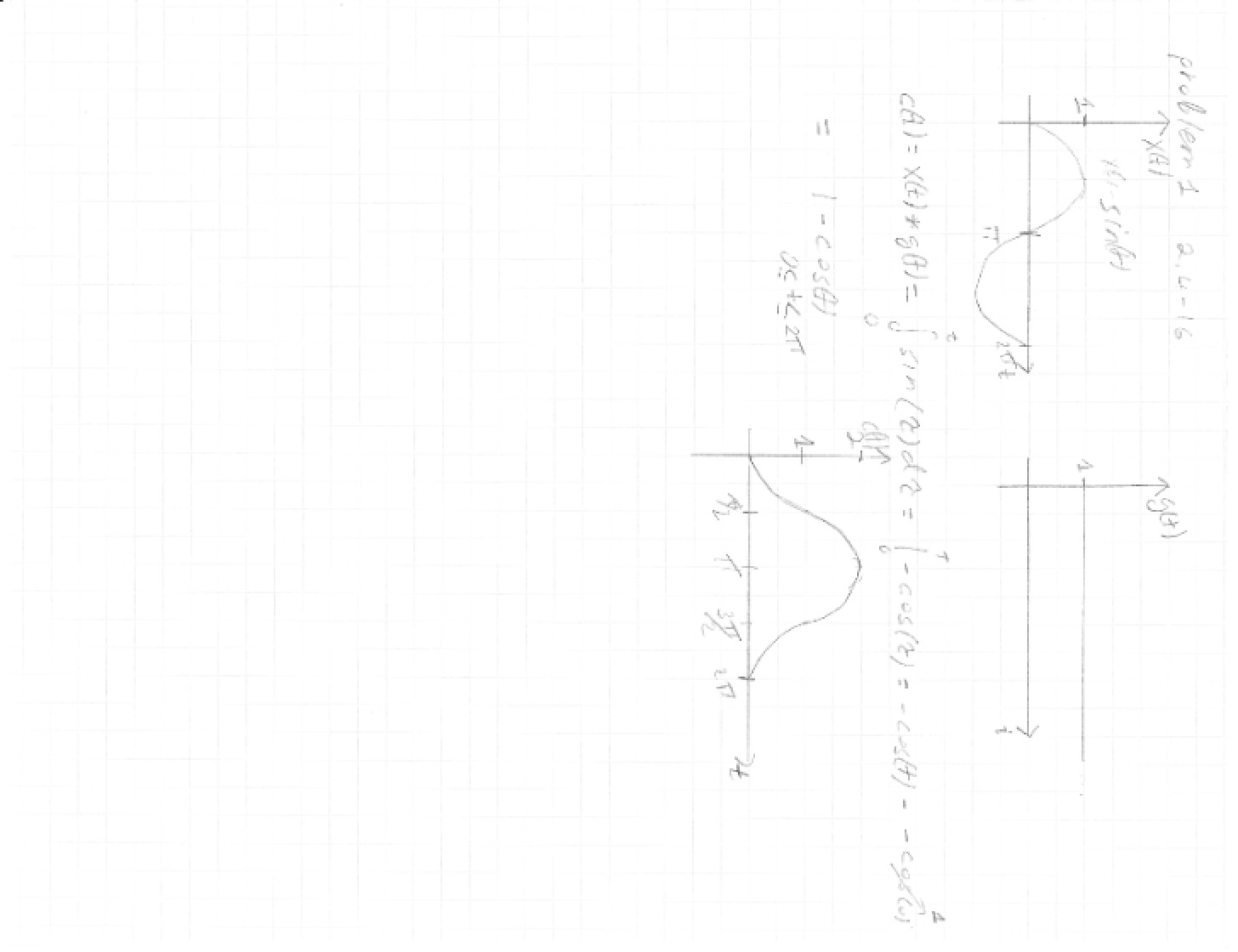
* Exercises requiring the determination of system outputs given input signals and impulse responses.
* Tasks involving the mathematical representation of waveforms.
* Graphical analysis and sketching of signals, emphasizing accurate labeling of key features.
* References to specific problems from the Lathi textbook (2.4-16, 2.4-18, and others) for further practice.