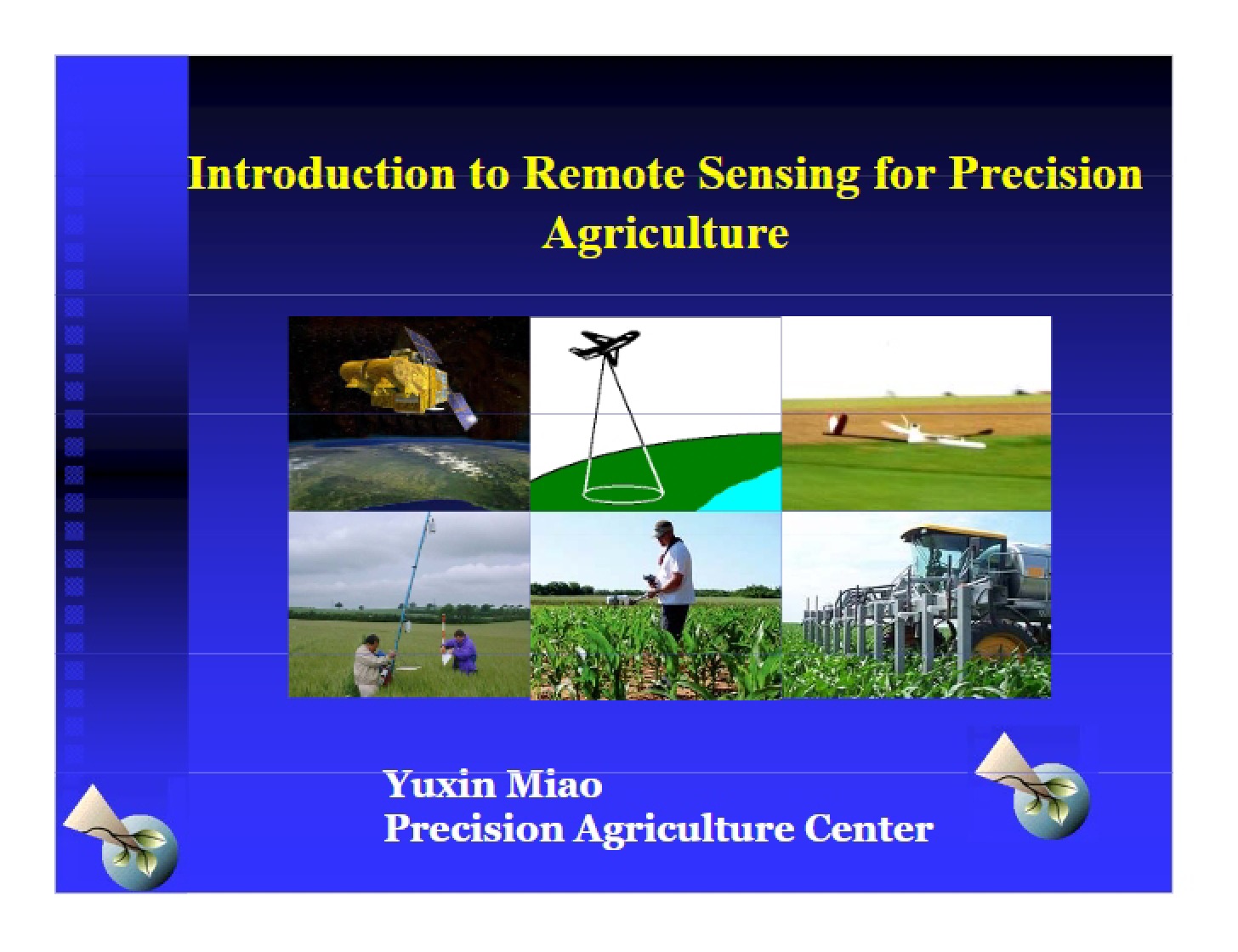
What This Document Is
This document comprises lecture notes from SOIL 4111 / MAST 2420, an introductory course on Precision Agriculture offered at the University of Minnesota Twin Cities. It appears to be a foundational overview of the field, covering core principles, historical context, and current applications. The material delves into the evolving nature of agricultural practices and the role of technology in modern farming. It’s structured as a syllabus accompaniment, likely used during classroom sessions.
Why This Document Matters
Students new to the concepts of Precision Agriculture will find this resource particularly valuable. It’s ideal for those seeking a comprehensive understanding of the field *before* diving into specialized topics. Professionals looking to refresh their knowledge or gain insight into the historical development of Precision Agriculture will also benefit. This material is most useful at the beginning of a course of study or when first exploring the potential of data-driven agricultural management. Understanding the foundational concepts presented here will be crucial for success in more advanced coursework or practical application.
Common Limitations or Challenges
This document provides a broad overview and does not offer in-depth, hands-on training with specific technologies or software. It doesn’t include detailed case studies, practical exercises, or step-by-step guides for implementation. While it identifies challenges to adoption, it doesn’t provide solutions or detailed mitigation strategies. The content represents a snapshot from 2008 and may not reflect the very latest advancements in the rapidly evolving field of Precision Agriculture.
What This Document Provides
* An exploration of the definition and evolution of Precision Agriculture.
* A discussion of the various applications of Precision Agriculture techniques.
* An overview of the benefits associated with adopting Precision Agriculture practices.
* Identification of key barriers hindering the widespread adoption of Precision Agriculture.
* A look at the essential data components required for effective Precision Agriculture.
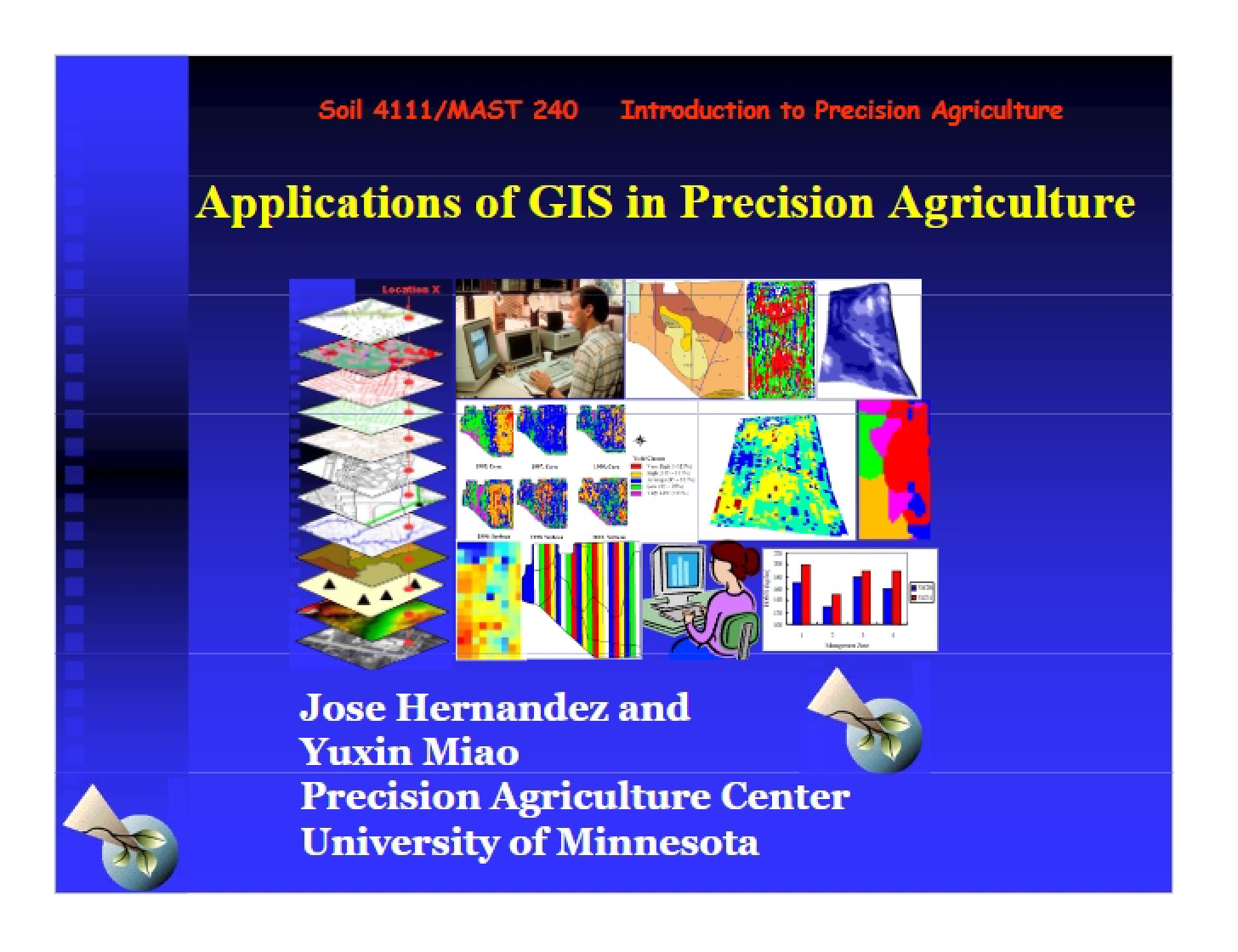
* A discussion of the role of geographical information systems in agricultural management.
* An examination of the status and outlook for Precision Agriculture in the United States.