What This Document Is
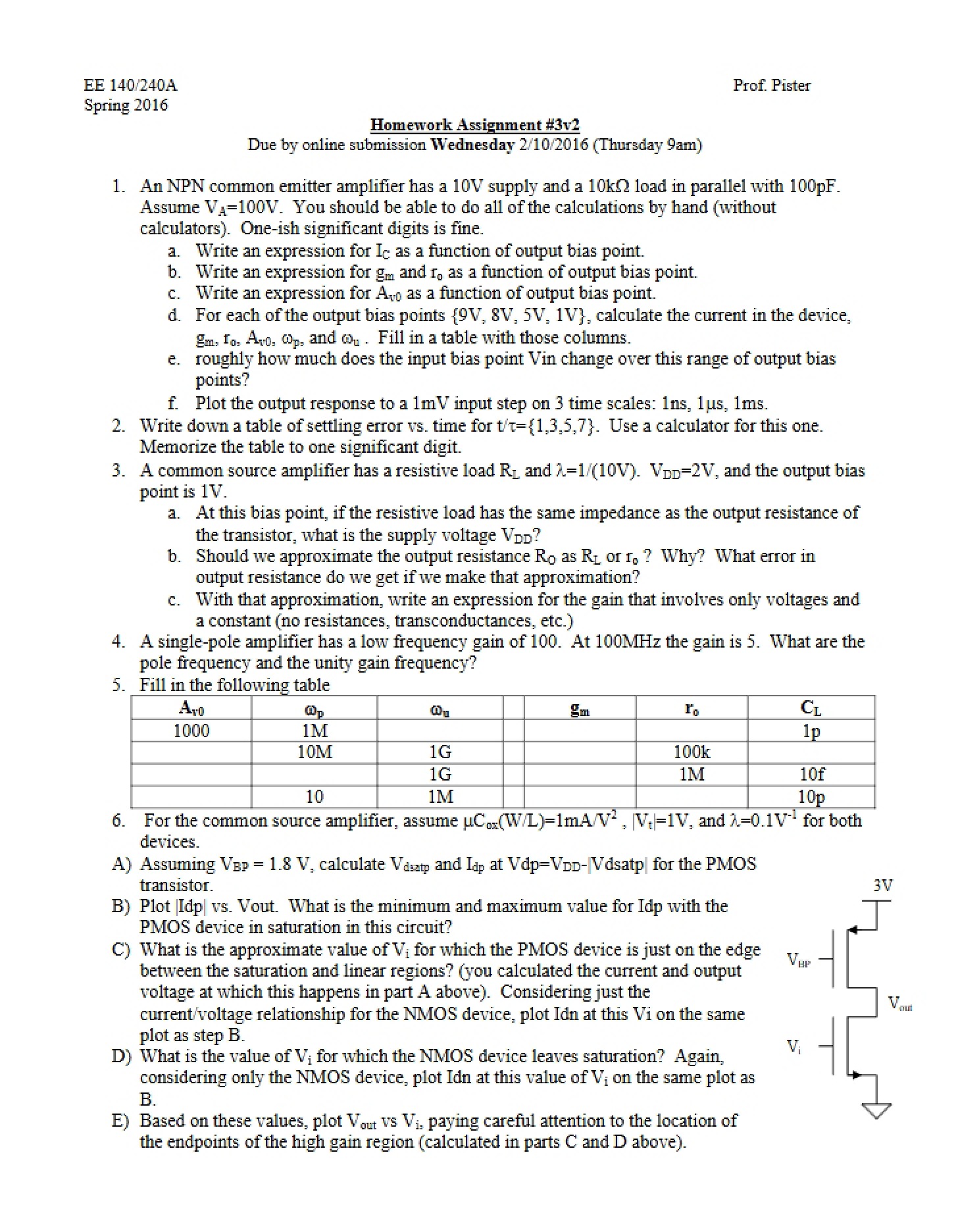
This is a homework assignment for EE 140/240A, Analog Integrated Circuits, at the University of California, Berkeley. It focuses on applying theoretical knowledge to practical circuit analysis and component understanding. The assignment challenges students to delve into datasheets, user guides, and schematic diagrams to analyze and interpret circuit behavior. It’s designed to reinforce concepts learned in lectures and build problem-solving skills essential for analog circuit design.
Why This Document Matters
This assignment is ideal for students currently enrolled in an analog integrated circuits course, particularly those seeking to solidify their understanding of real-world component specifications and circuit implementations. It’s most beneficial when used in conjunction with course lectures, readings, and lab work. Successfully completing this assignment will demonstrate a strong grasp of analog circuit fundamentals and the ability to translate theoretical concepts into practical applications. It’s a valuable tool for self-assessment and identifying areas where further study may be needed.
Topics Covered
* Analog-to-Digital Conversion (ADC) characteristics and performance metrics
* Microprocessor datasheet interpretation and application
* Analog multiplexer (MUX) configuration and signal routing
* Capacitive circuit analysis and charge distribution
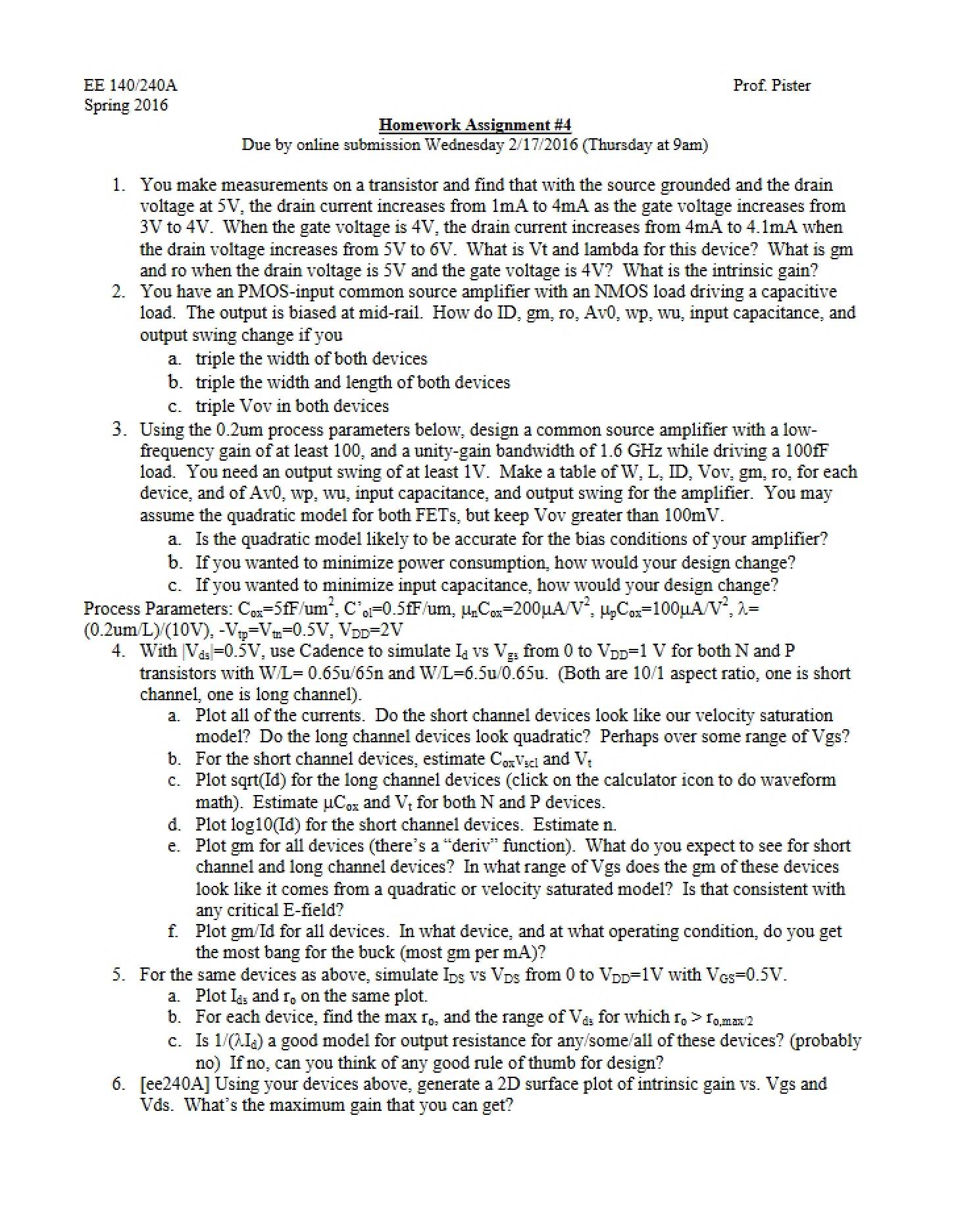
* MOSFET behavior and modeling in switching applications
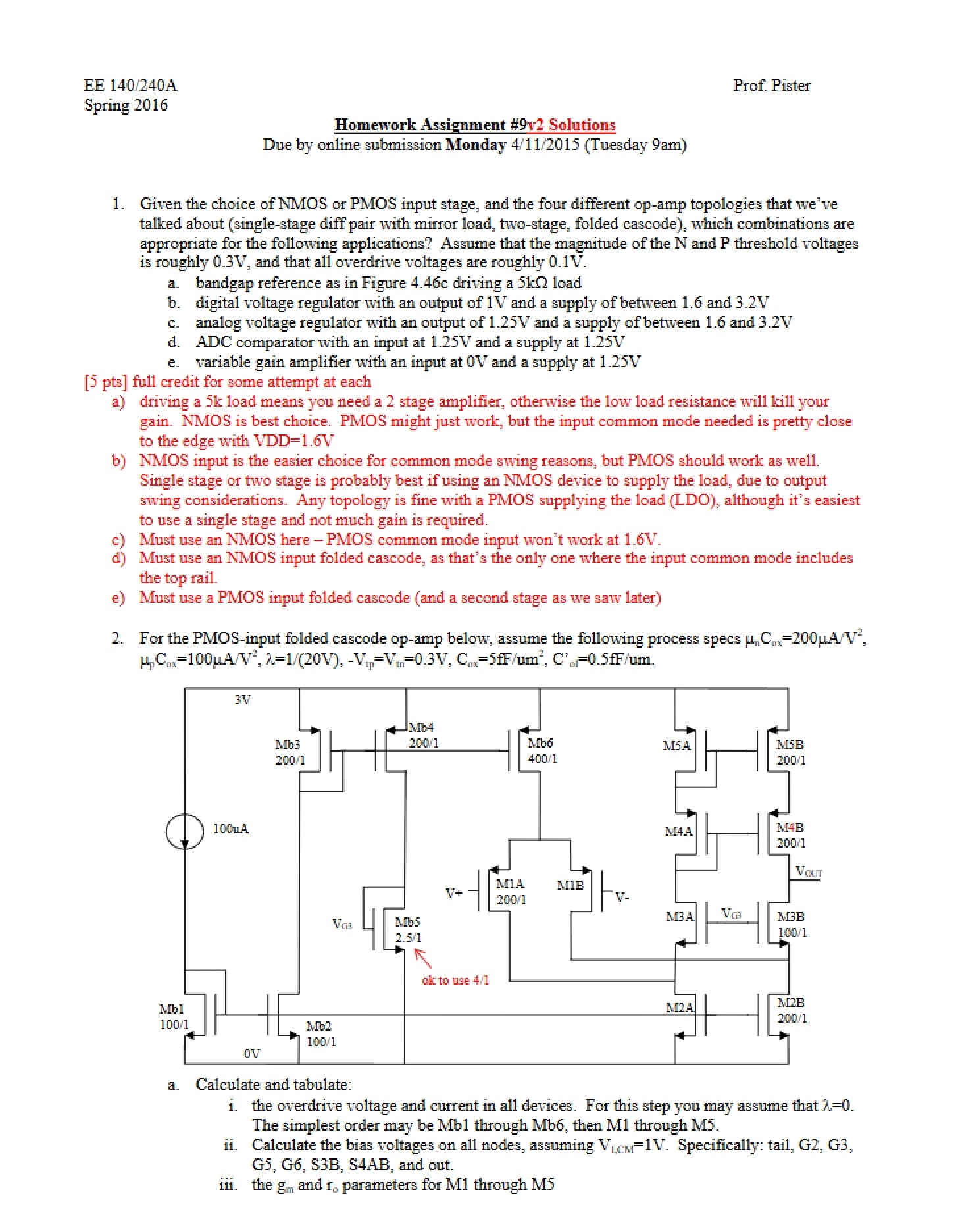
* Folded Cascode amplifier analysis and settling time considerations
What This Document Provides
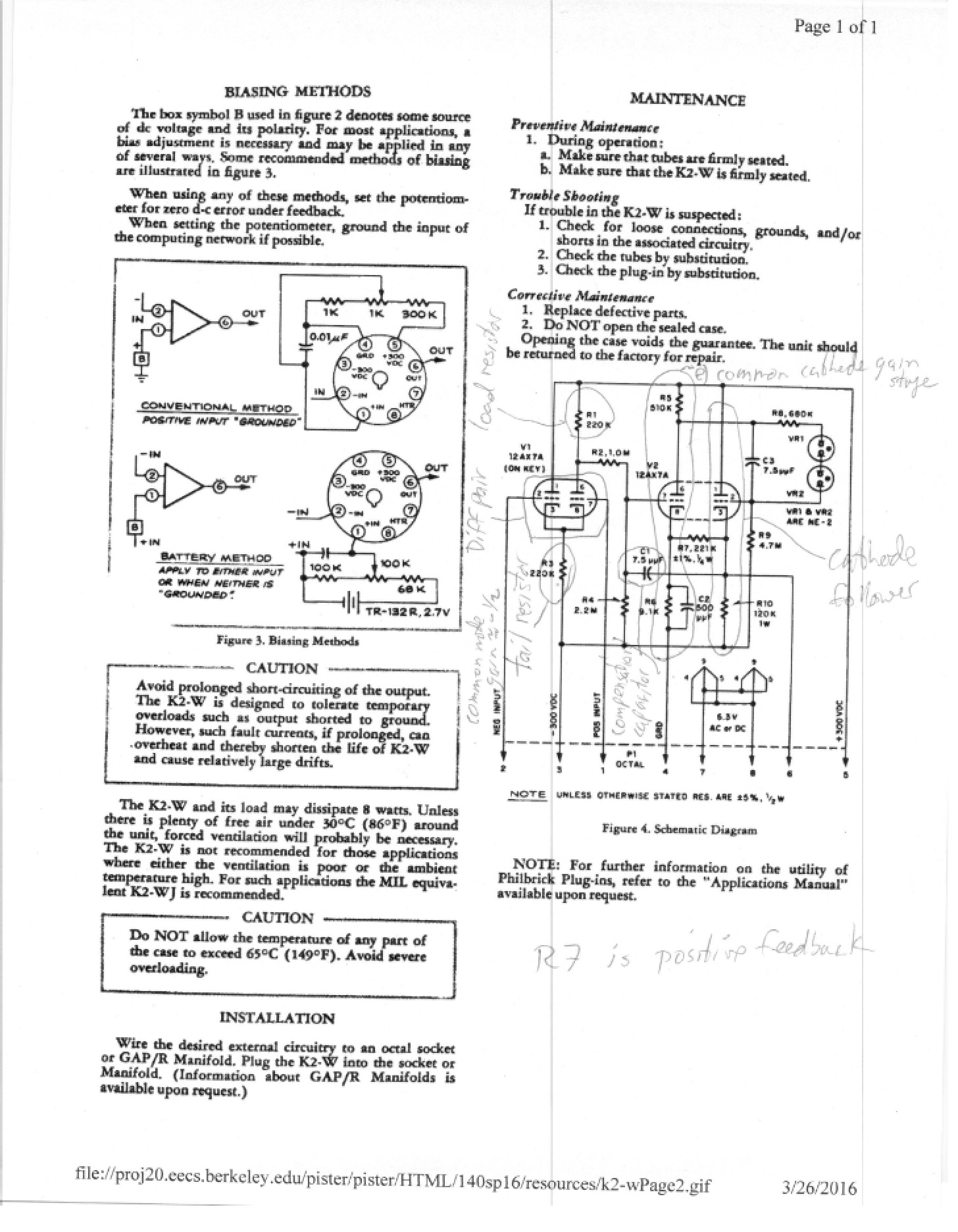
* References to specific datasheets and user guides for industry-standard components.
* Circuit schematics for analysis and problem-solving.
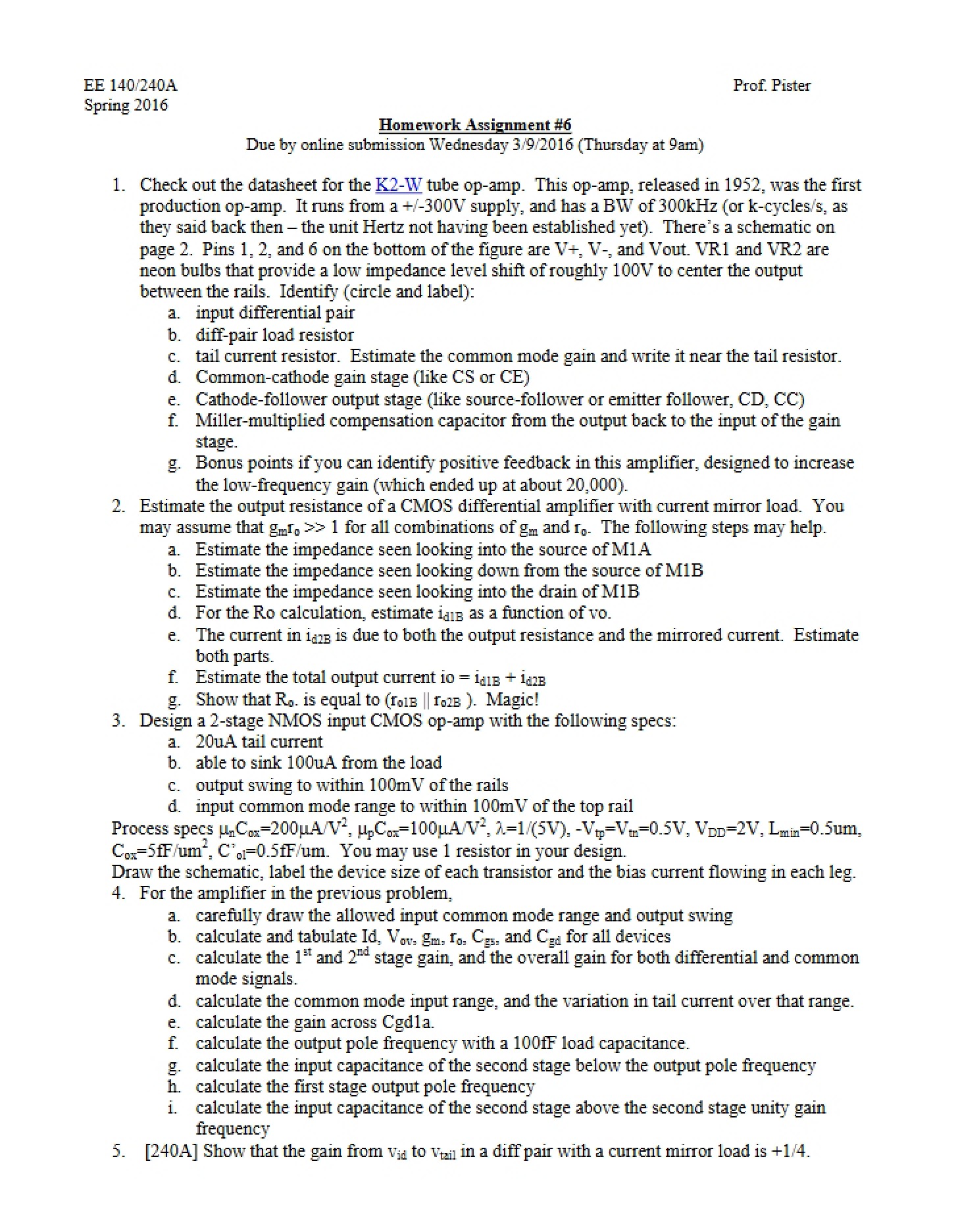
* A series of analytical problems requiring detailed calculations and explanations.
* Opportunities to apply knowledge of transistor characteristics to circuit performance.
* Exercises designed to build intuition about analog circuit behavior and limitations.