What This Document Is
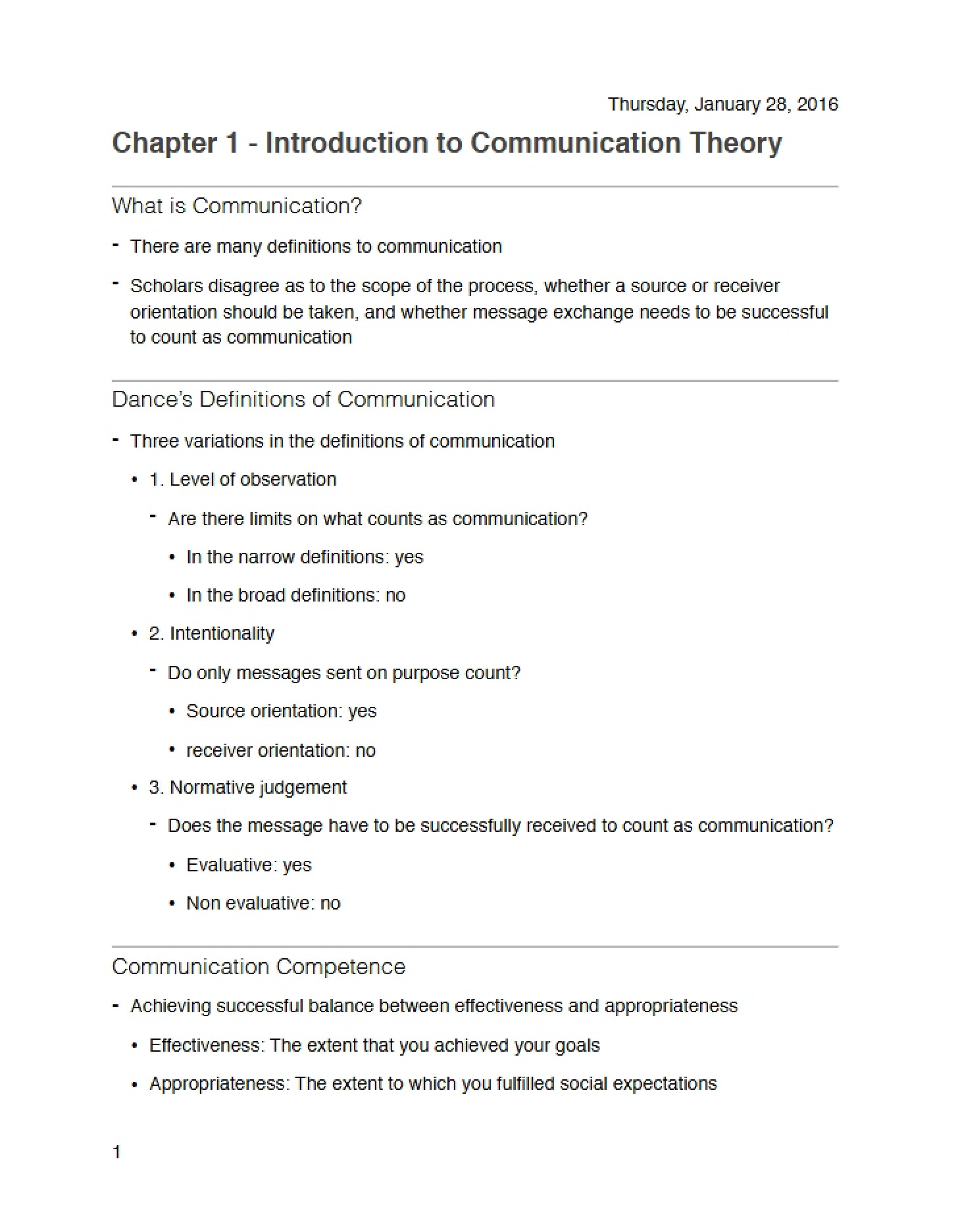
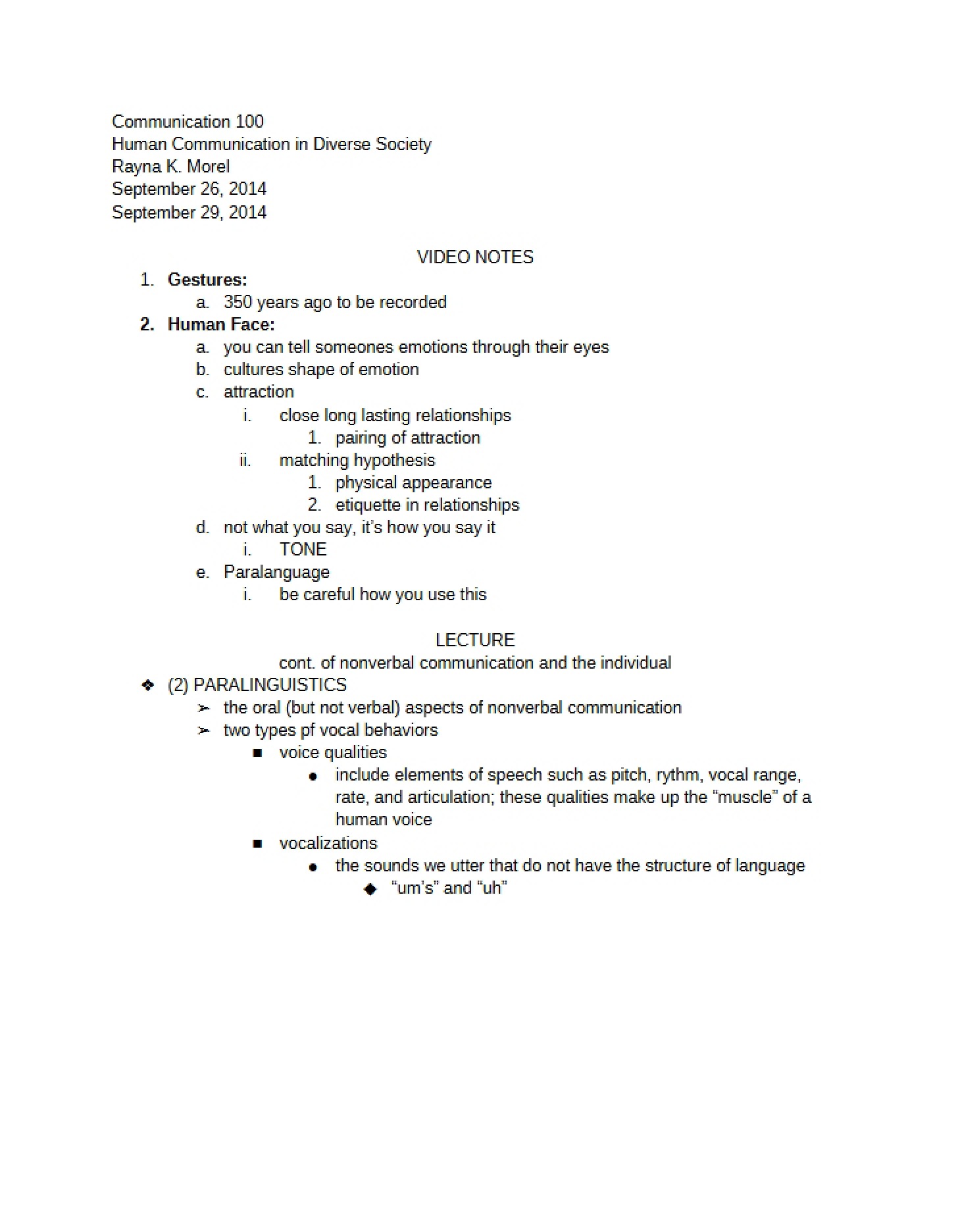
This comprehensive study guide supports coursework in Communication Theory (COMMST 100) at the University of California, Los Angeles. It’s designed to help students systematically review and consolidate key concepts presented in lectures and associated materials, preparing them for assessments. This guide focuses on foundational theories and models within the field of communication, offering a structured approach to understanding complex ideas.
Why This Document Matters
This study guide is an invaluable resource for students seeking to deepen their understanding of communication theory. It’s particularly useful for those preparing for examinations, quizzes, or larger course projects. Students who utilize this guide can expect to improve their ability to recall, connect, and apply theoretical frameworks to real-world communication scenarios. It’s best used in conjunction with course readings and lecture notes for optimal learning.
Topics Covered
* Foundational Rhetorical Theories and their historical development
* Narrative approaches to understanding communication
* Theories centered around symbolic interaction and meaning-making
* Models of message processing and interpretation
* Communication Accommodation Theory and its implications
* Uncertainty Reduction Theory and its core principles
* Theories related to anonymous communication and its impact
* Frameworks for analyzing interactional dynamics and power relationships
* Speech Act Theory and its levels of analysis
What This Document Provides
* A structured overview of major communication theories.
* Key terminology and concepts associated with each theory.
* Exploration of the core assumptions underlying different theoretical perspectives.
* Identification of the central components and principles of each theory.
* A framework for understanding the relationships between various theories.
* A resource to aid in the recall and application of theoretical concepts.