What This Document Is
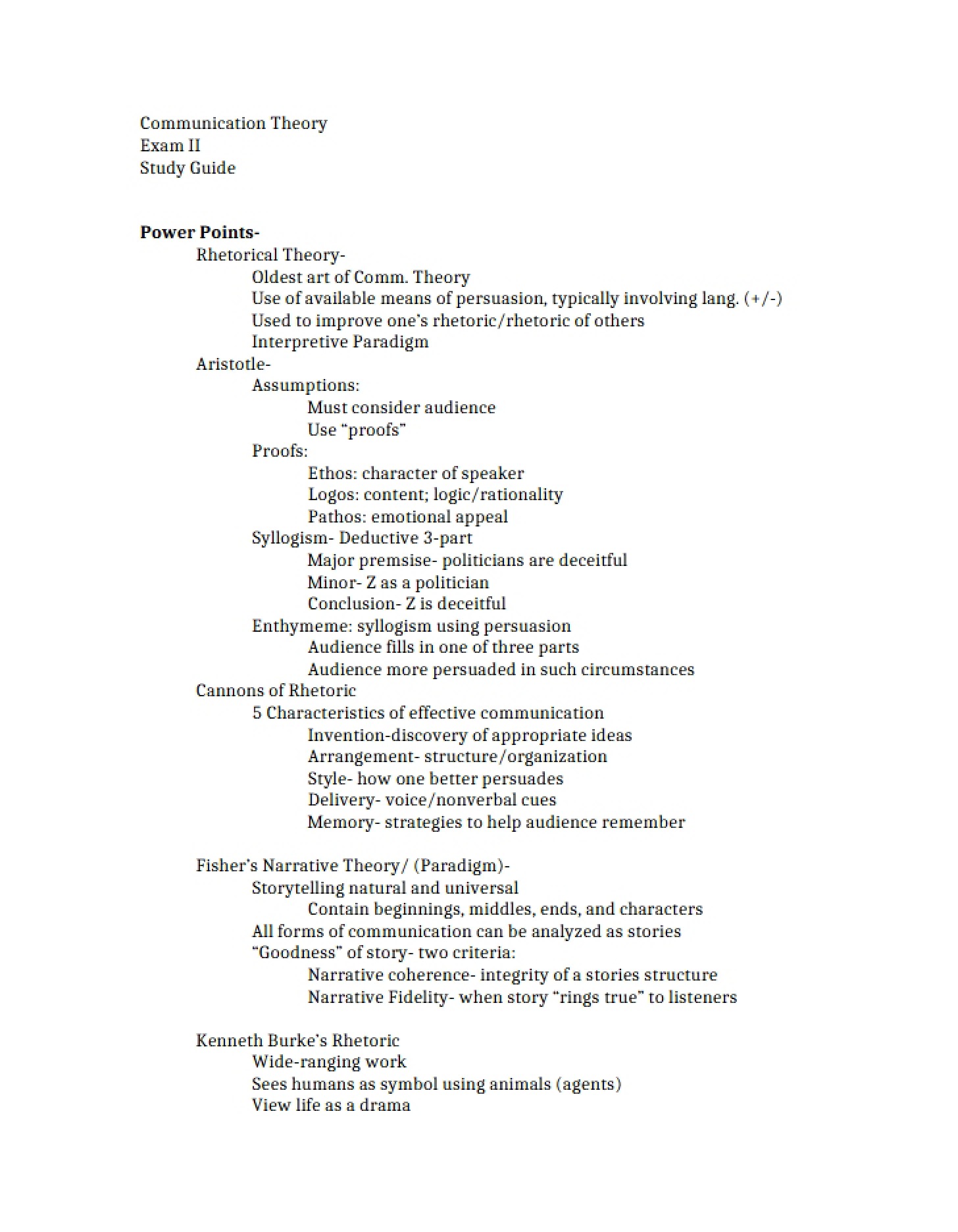
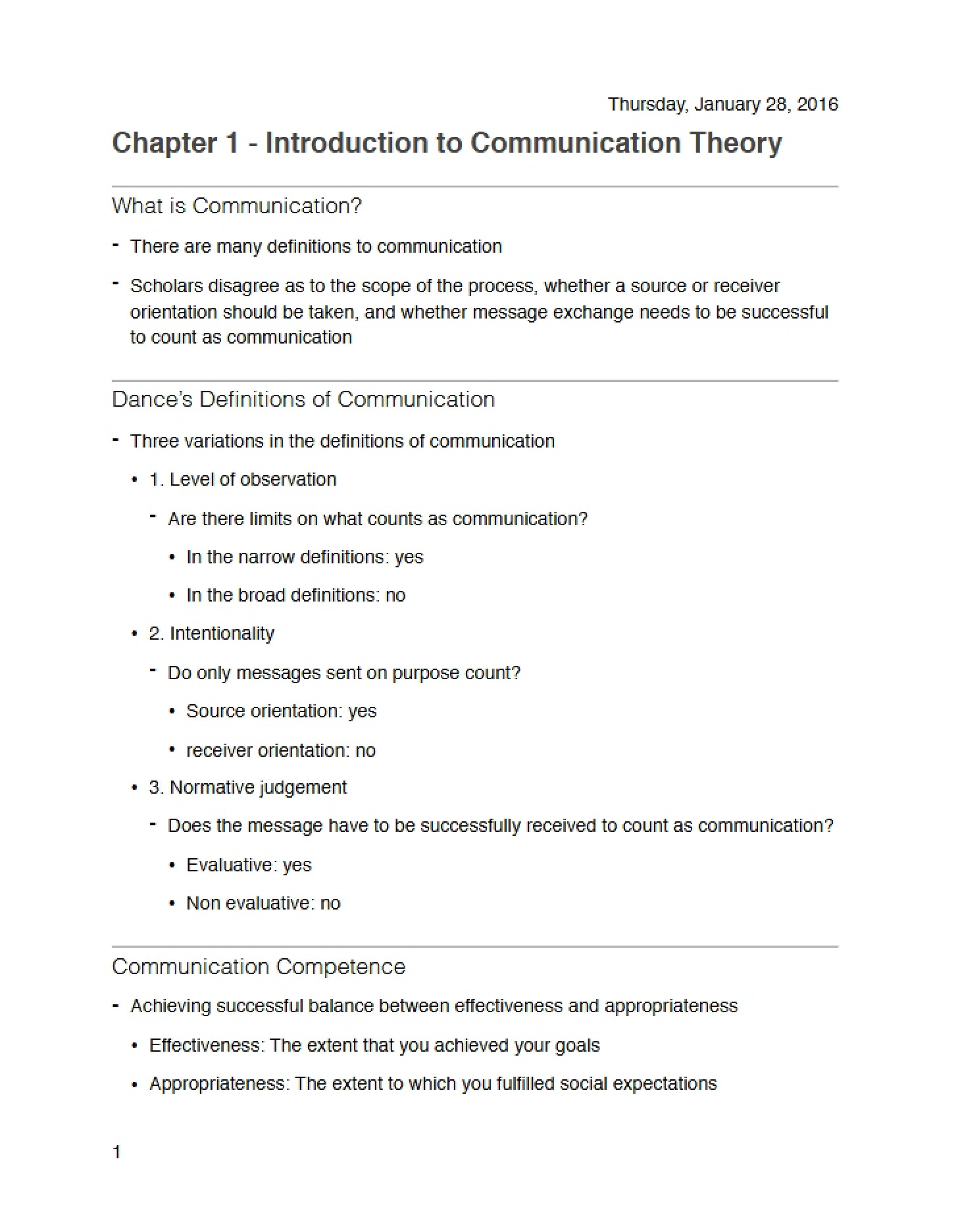
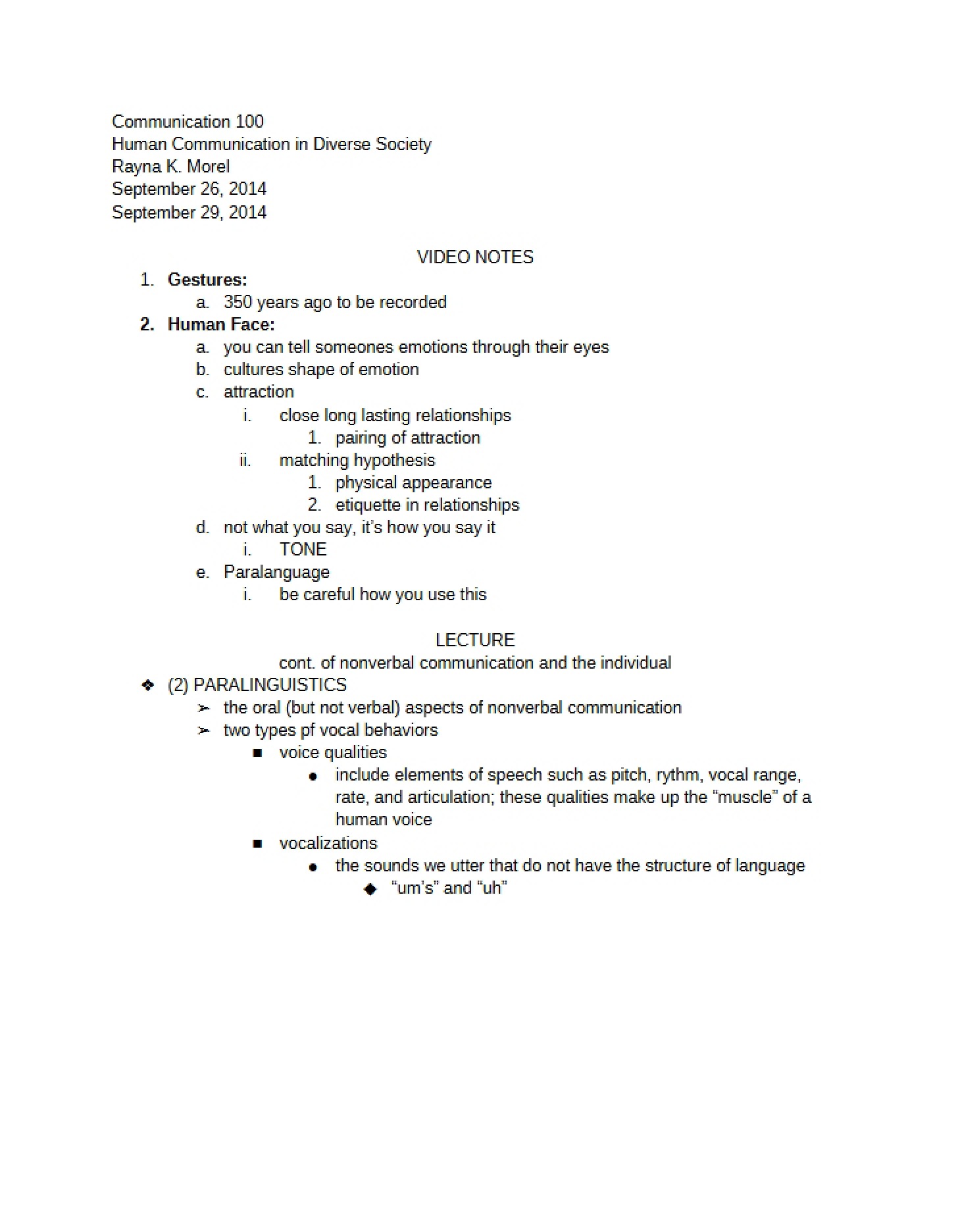
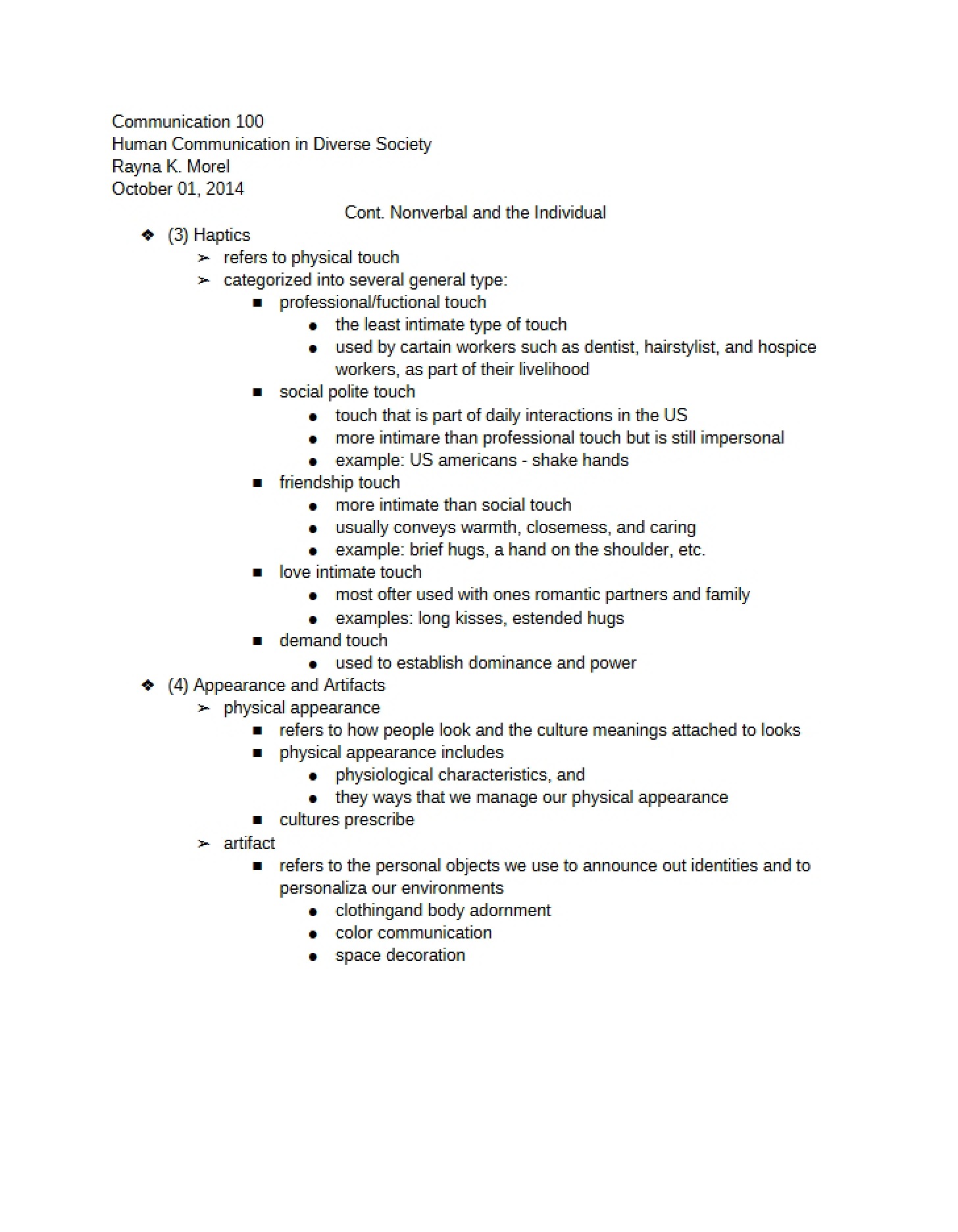
This resource is a comprehensive exploration of nonverbal communication within the context of human interaction, specifically as it relates to diverse societal settings. Developed for Communication Theory (COMMST 100) at UCLA, it delves into the multifaceted ways we convey meaning beyond spoken words, and how these cues are interpreted differently across various contexts and cultures. It’s designed to build a strong foundational understanding of the principles governing nonverbal signals and their impact on communication effectiveness.
Why This Document Matters
This material is invaluable for students seeking to excel in Communication Theory, or anyone interested in improving their interpersonal skills. It’s particularly useful when studying the complexities of social interaction, preparing for class discussions, or working on assignments that require analysis of communicative behaviors. Understanding nonverbal cues is crucial for effective communication in personal, professional, and public life – and this resource provides a detailed framework for that understanding.
Topics Covered
* The role of time (chronemics) in communication and identity formation.
* The impact of space (proxemics) on interpersonal dynamics.
* Expectancy violation theory and its influence on interpretation.
* Territoriality and its expression through physical space.
* Environmental factors that shape communication.
* The often-overlooked sense of smell (olfactics) and its communicative power.
* The significance of silence in communication.
* The various functions of nonverbal communication during interactions.
What This Document Provides
* A detailed examination of key concepts in nonverbal communication theory.
* A framework for analyzing the interplay between verbal and nonverbal messages.
* Insights into how nonverbal cues regulate interactions and establish relationships.
* Considerations for improving personal nonverbal communication skills.
* A foundation for understanding the complexities of communication in diverse social environments.