What This Document Is
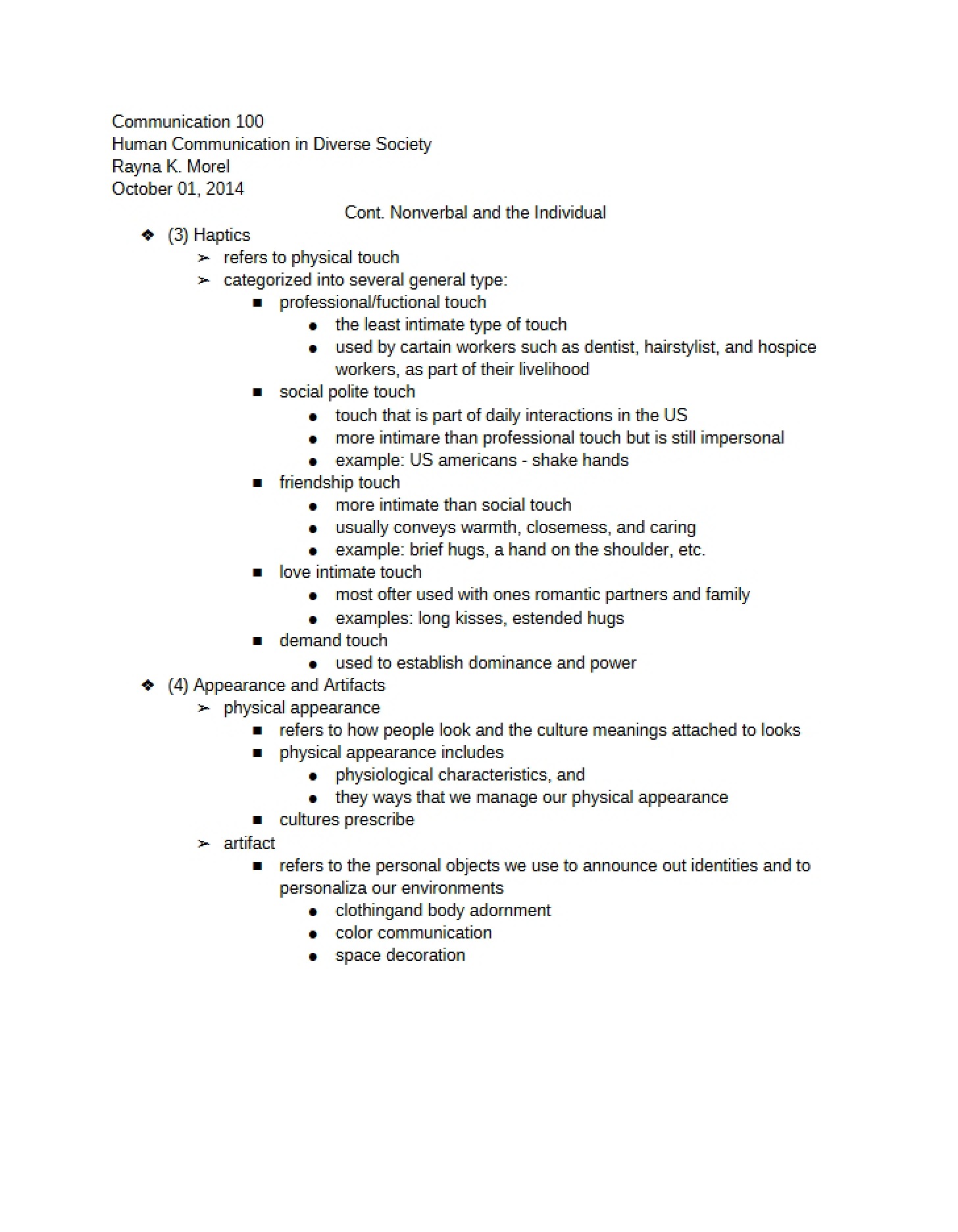
This resource is a focused exploration of nonverbal communication within the broader field of Communication Theory (COMMST 100 at UCLA). It delves into the multifaceted ways humans convey meaning *without* relying on spoken or written language, examining how these cues operate and are interpreted in interpersonal interactions. This material offers a foundational understanding of the principles governing nonverbal signals and their impact on communication effectiveness.
Why This Document Matters
Students enrolled in Communication Theory, particularly those interested in interpersonal communication, cultural studies, or psychology, will find this resource valuable. It’s especially helpful when studying the complexities of human interaction and seeking to improve observational skills related to communication. This material can be used to supplement lectures, prepare for class discussions, and build a stronger theoretical base for understanding communication dynamics. It’s designed to enhance your comprehension of how meaning is constructed beyond words.
Topics Covered
* The systematic study of bodily communication signals.
* Categorization of nonverbal cues based on body movement.
* The role of gestures in clarifying and replacing verbal messages.
* Nonverbal behaviors related to emotional regulation and conversation management.
* The impact of posture and physical movement on perceived communication.
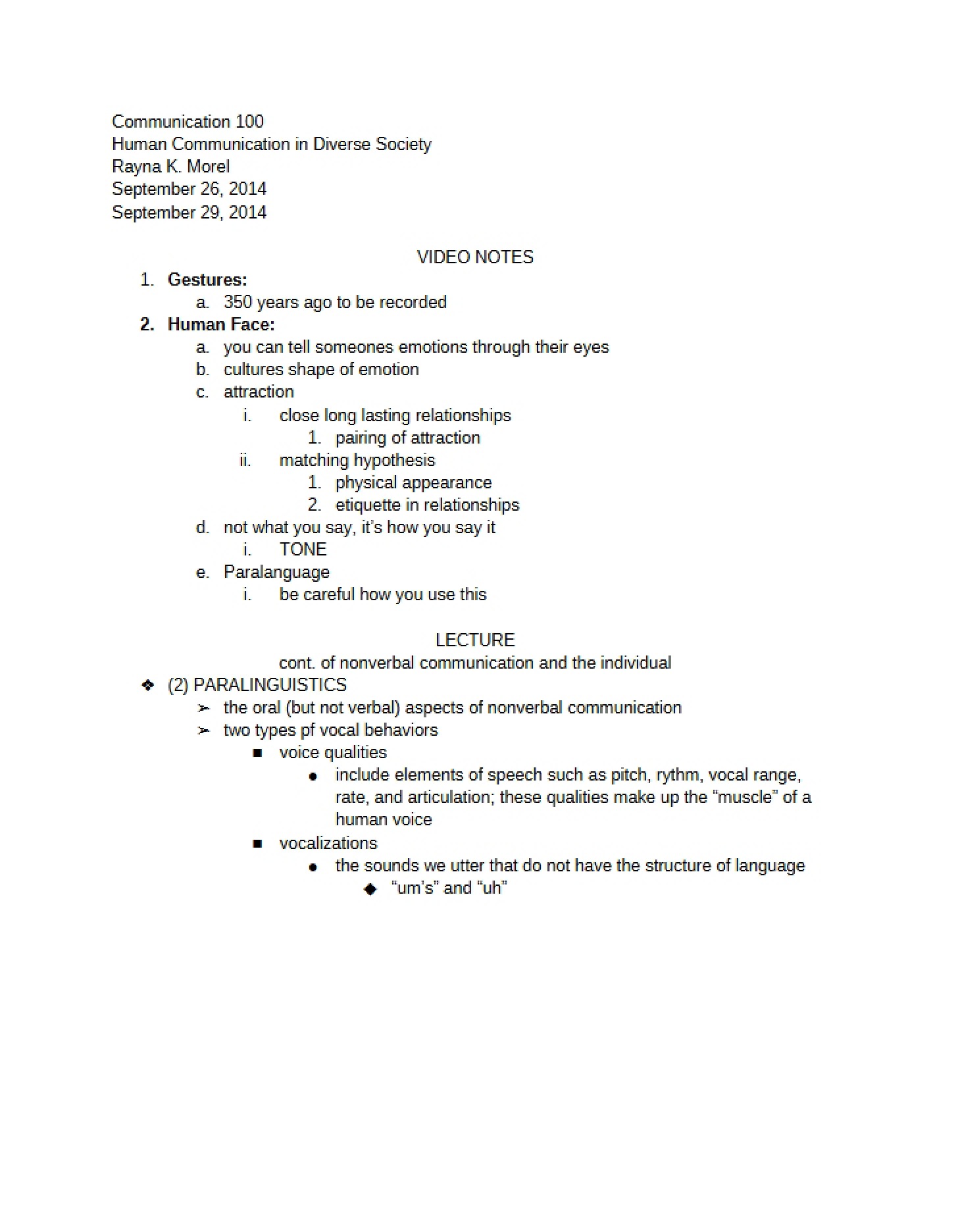
* Facial expressions as a primary channel for emotional communication.
* Cross-cultural considerations in interpreting facial displays.
* The nuances of eye behavior and its influence on message delivery.
What This Document Provides
* A detailed breakdown of different types of nonverbal cues.
* An examination of how nonverbal signals contribute to immediacy and relaxation in interactions.
* Exploration of the relationship between nonverbal behavior and internal emotional states.
* A framework for analyzing the various components of nonverbal communication.
* Insights into the potential for both universal and culturally-specific interpretations of nonverbal signals.