What This Document Is
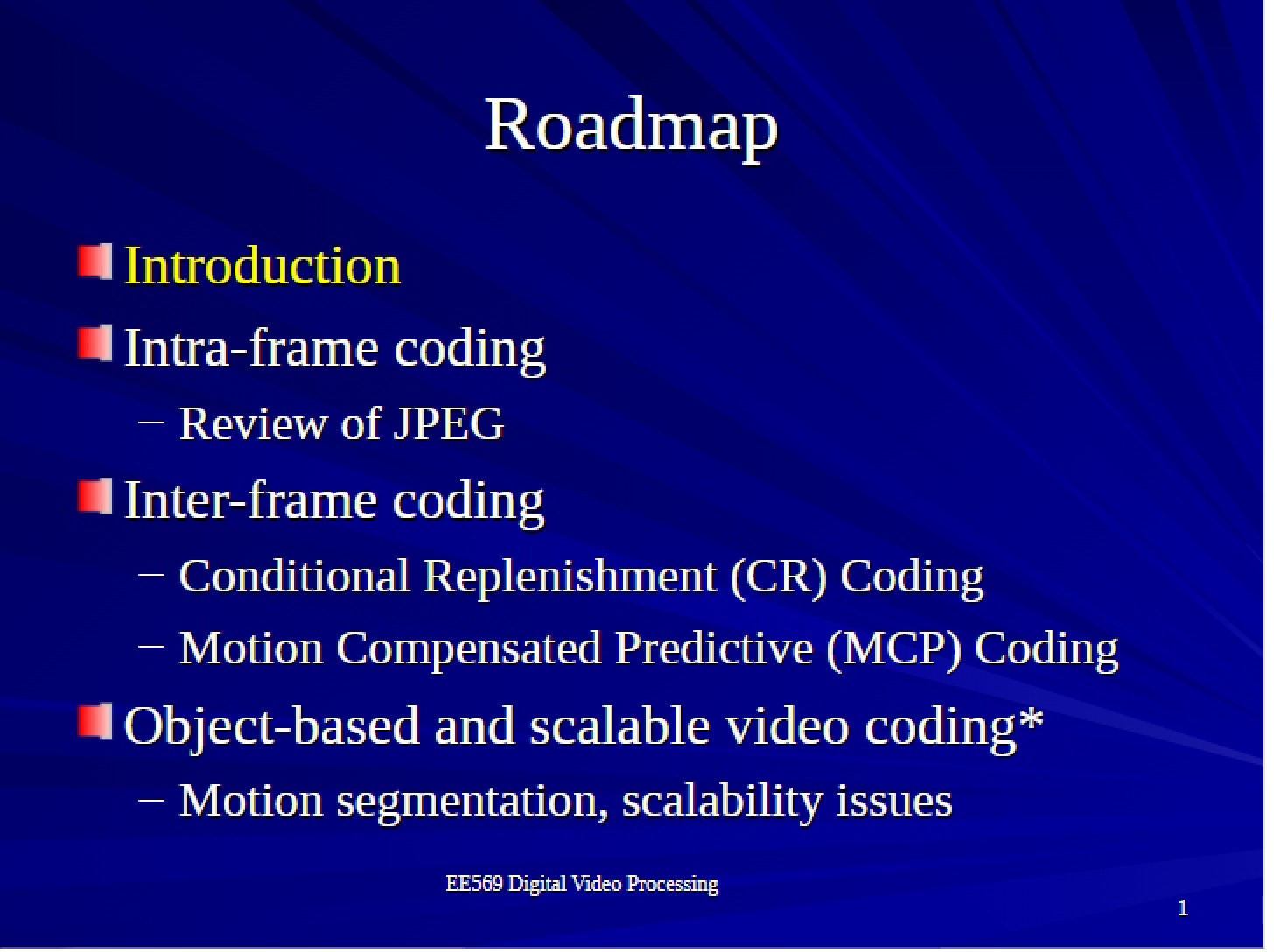
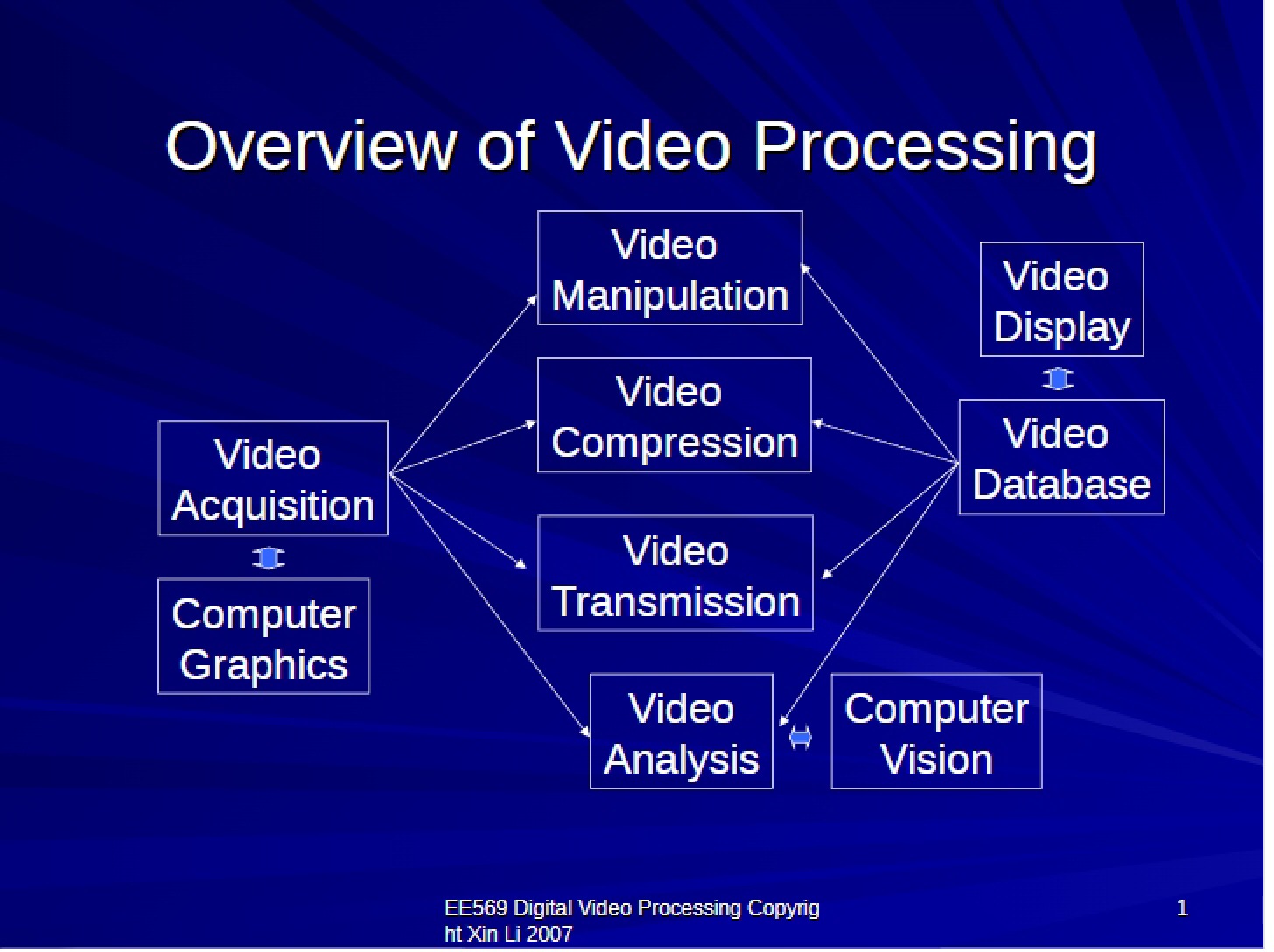
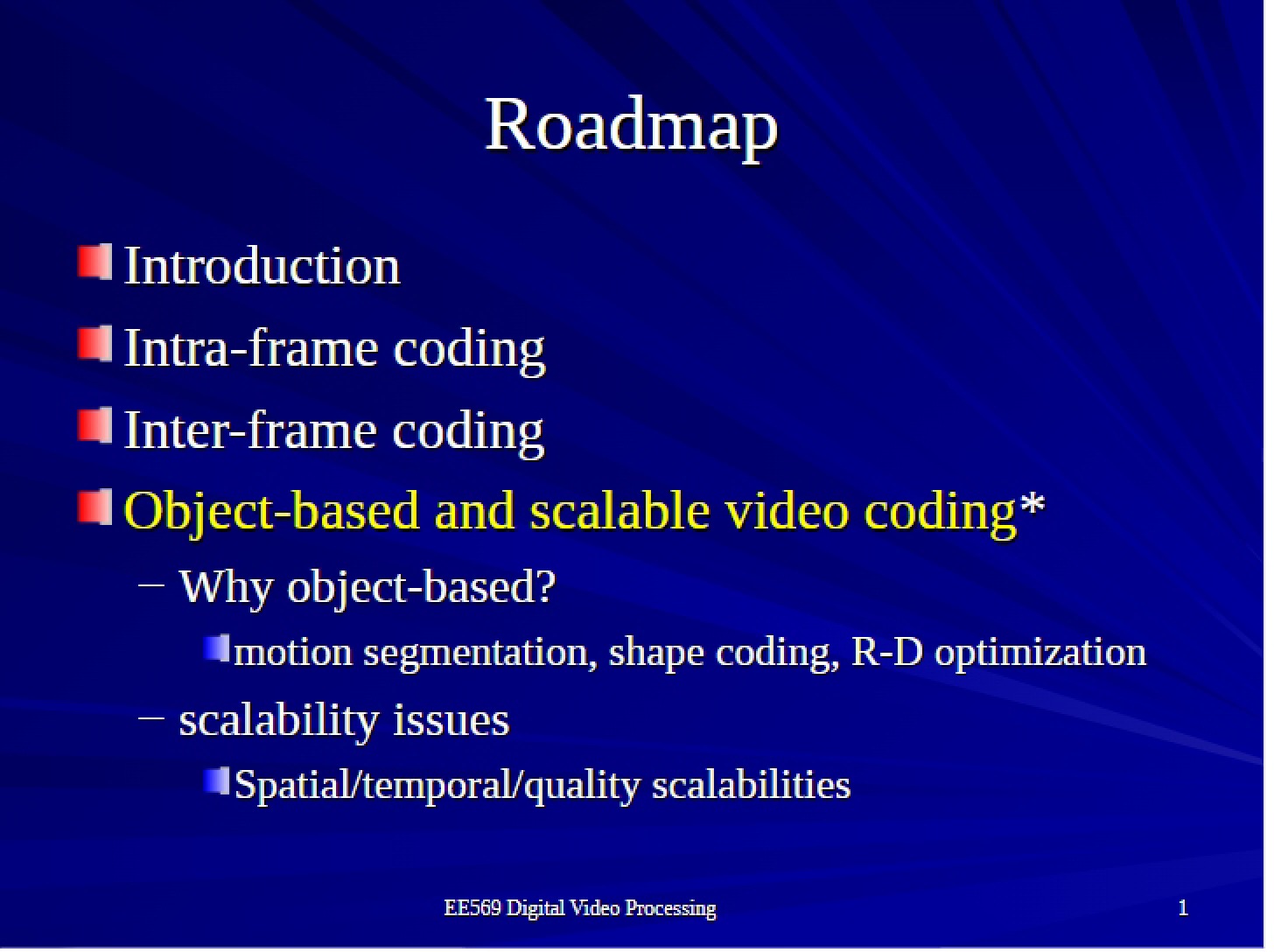
This is a comprehensive roadmap for the “Digital Video Processing” (EE 569) course at West Virginia University, spanning 49 pages. It focuses specifically on the core techniques within motion estimation – a critical component of modern video compression and analysis. The roadmap delves into the Block Matching Algorithm (BMA) and its various optimizations, providing a structured overview of the subject. It’s designed to guide students through the theoretical foundations and practical considerations of this essential video processing method.
Why This Document Matters
This roadmap is invaluable for students enrolled in advanced digital video processing courses, particularly those focusing on video compression standards and algorithms. It’s also beneficial for engineers and researchers working with video data who need a solid understanding of motion estimation techniques. Use this resource to gain a high-level understanding of the topics covered in the course, plan your study schedule, and identify areas where you may need to focus your efforts. It serves as an excellent foundation before diving into detailed implementations and experimental analysis.
Common Limitations or Challenges
This roadmap provides a structural overview and conceptual framework. It does *not* contain detailed mathematical derivations, code implementations, or step-by-step instructions for specific algorithms. It also doesn’t include solved problems or practice exercises. The roadmap is intended to be a guide to the course material, not a substitute for attending lectures, completing assignments, and engaging with the full course content. Access to the full document is required for a complete understanding of the concepts.
What This Document Provides
* A structured overview of the Block Matching Algorithm (BMA).
* Categorization of different speed-up strategies for BMA implementation.
* An exploration of techniques to move from basic BMA to more advanced forms, including fractional-pel and variable block size approaches.
* Discussion of deformable BMA (DBMA) or mesh-based BMA.
* Insight into the relationship between block size, motion accuracy, and Motion Compensated Prediction (MCP) efficiency.
* A benchmark comparison using Exhaustive Search as a baseline.
* Overview of various Fast BMA algorithms, including 3-Step Search, Logarithmic Search, Orthogonal Search, and Cross Search.
* Discussion of probabilistic modeling of motion vectors and its benefits.