What This Document Is
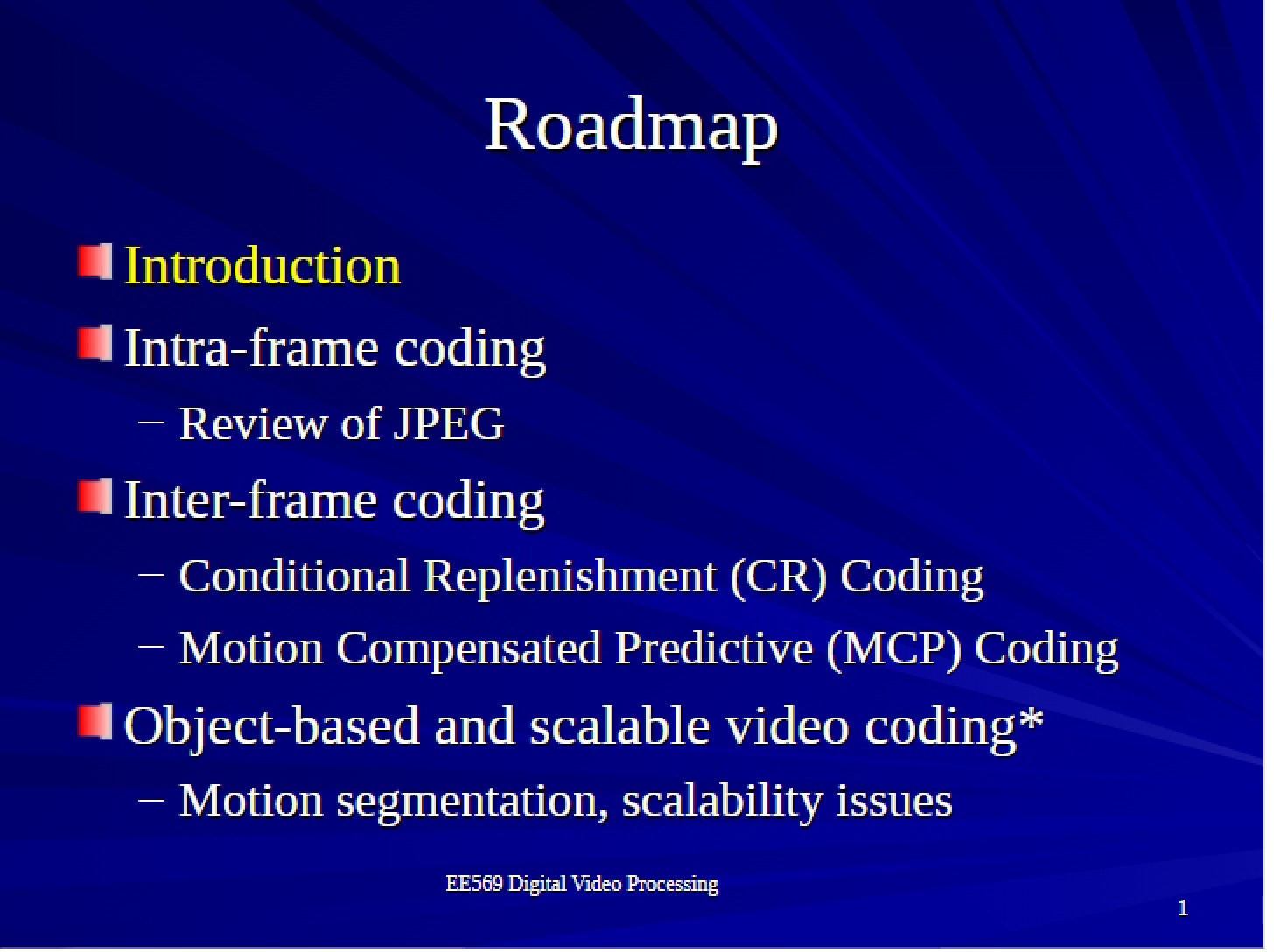
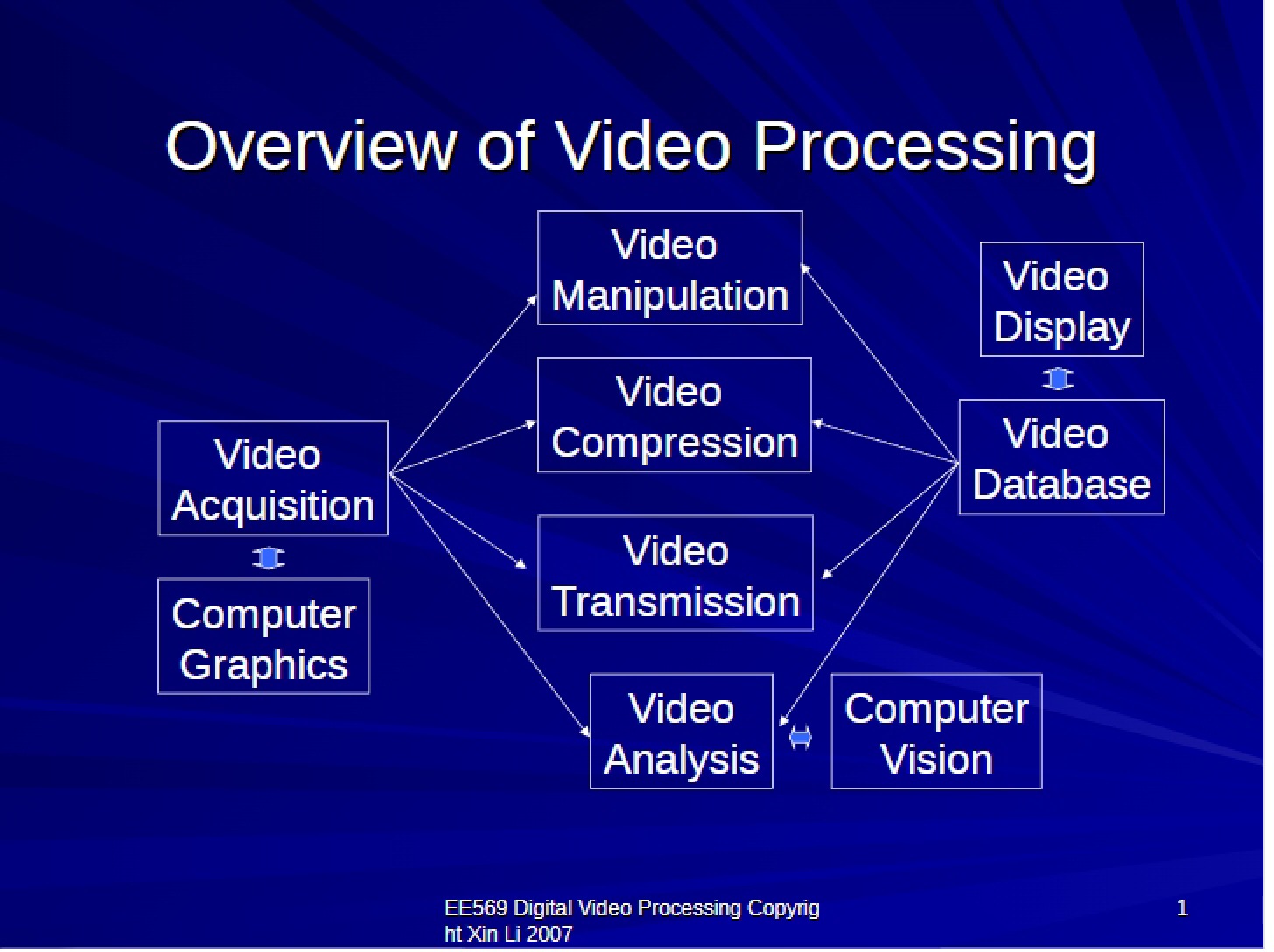
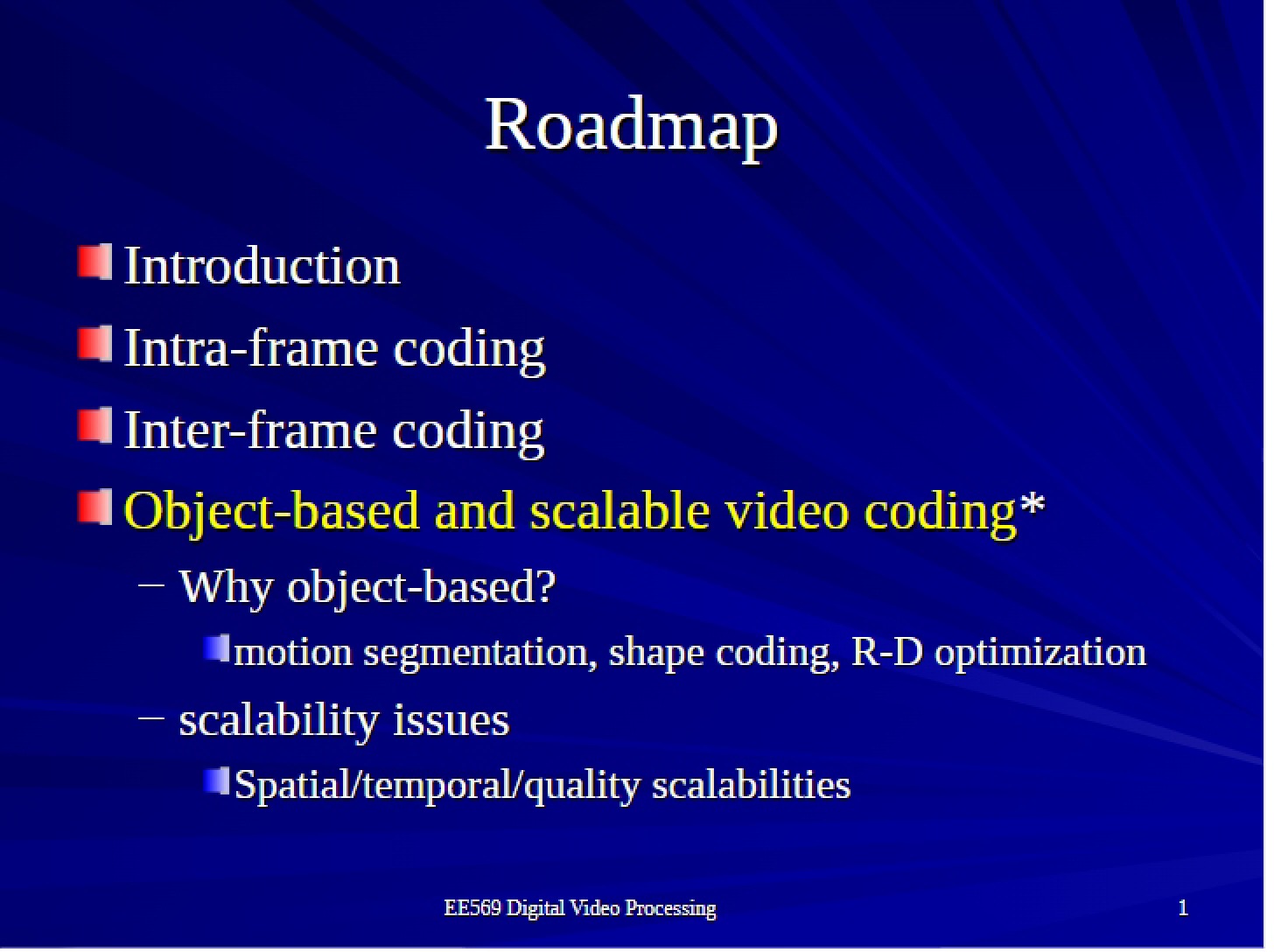
This document provides a foundational overview of video fundamentals, specifically geared towards students in a digital video processing course. It delves into the core principles governing how video is captured, represented, and displayed, bridging the gap between basic image understanding and the complexities of digital video systems. The material explores both the historical context of analog video and the modern techniques used in digital video processing. It’s designed to establish a strong theoretical base for more advanced topics.
Why This Document Matters
This resource is invaluable for anyone seeking a comprehensive understanding of the underlying principles of video technology. It’s particularly beneficial for students in electrical engineering, computer science, or related fields who are beginning their study of video processing. Professionals working with video editing, compression, or broadcasting will also find this a useful refresher. Use this material to build a solid foundation before tackling more complex concepts like video codecs, filtering techniques, or advanced compression algorithms. It’s ideal for initial course study or as a reference point throughout your learning journey.
Common Limitations or Challenges
While this document provides a strong theoretical foundation, it does not offer practical implementation details or code examples. It focuses on the *why* and *how* of video fundamentals, rather than the *how-to* of building video systems. It also assumes a basic understanding of mathematical concepts like functions and coordinate systems. This resource is a starting point, and further study will be required to develop practical skills in video processing. It does not cover advanced topics like motion estimation or video analysis.
What This Document Provides
* An exploration of the photometric and geometric models involved in video capture.
* A comparison of progressive and interlaced raster scanning techniques used in television systems.
* An overview of different color representations used in video, including YUV and YIQ.
* A discussion of the rationale behind using color spaces other than RGB for video transmission.
* Formulas and concepts related to color space conversions.
* A comparative analysis of different color TV systems.
* An explanation of the relationship between luminance and chrominance components in video signals.