What This Document Is
This is a course syllabus for EE 569: Digital Video Processing, offered at West Virginia University. It’s a foundational document outlining the expectations, structure, and assessment methods for students enrolled in this upper-level electrical engineering course. The syllabus serves as a contract between the instructor and students, detailing important policies and logistical information for the semester. It focuses on the algorithmic side of video processing and its applications in various fields.
Why This Document Matters
This syllabus is crucial for any student considering enrolling in, or currently enrolled in, EE 569. It provides a clear understanding of the course’s objectives, the prerequisites needed for success, and the grading breakdown. Prospective students can use it to determine if the course aligns with their academic goals and skillset. Current students will refer to it throughout the semester for important dates, policies regarding assignments and exams, and contact information for the instructor. Understanding the course expectations from the outset can significantly improve performance and reduce confusion.
Common Limitations or Challenges
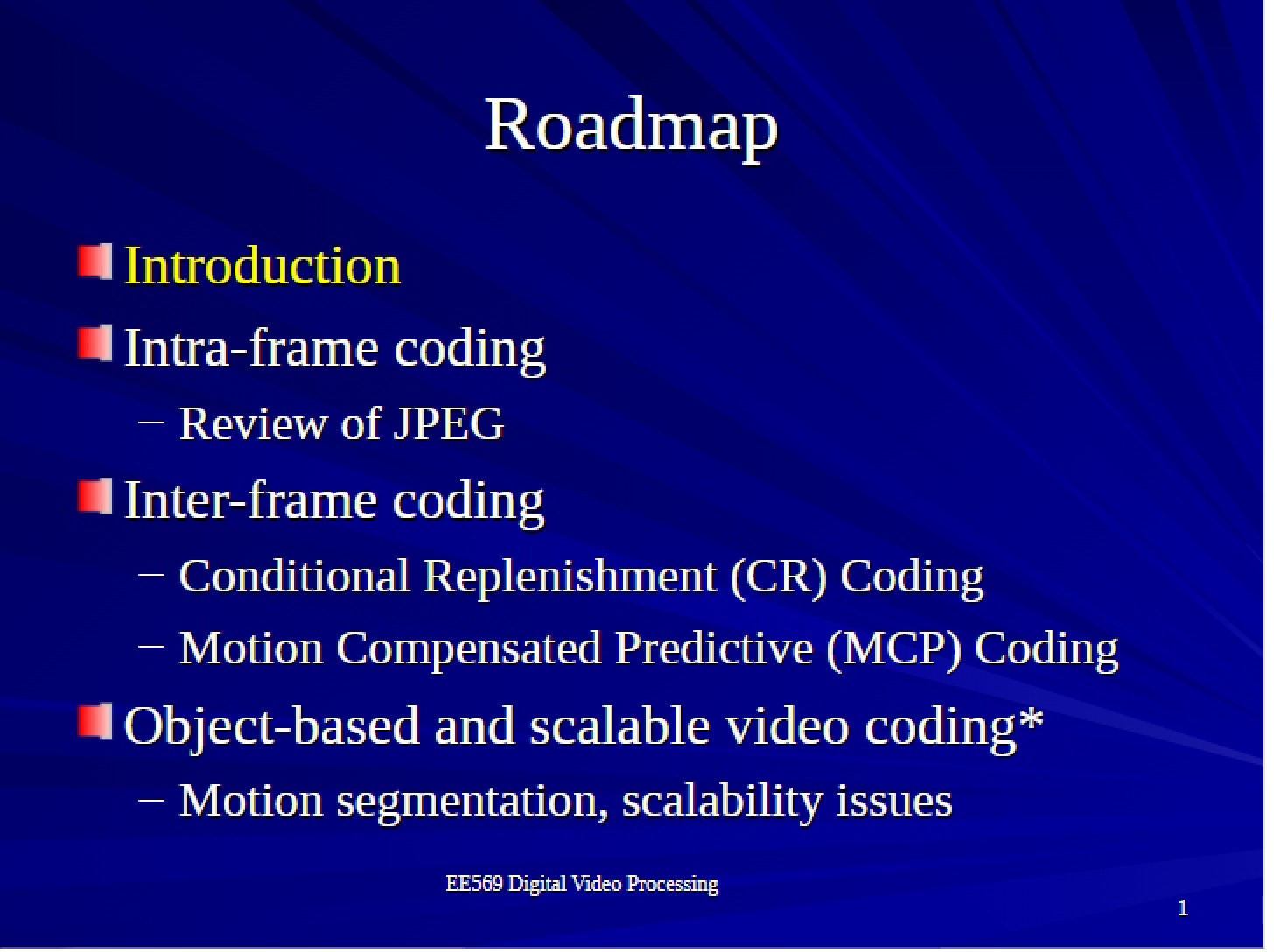
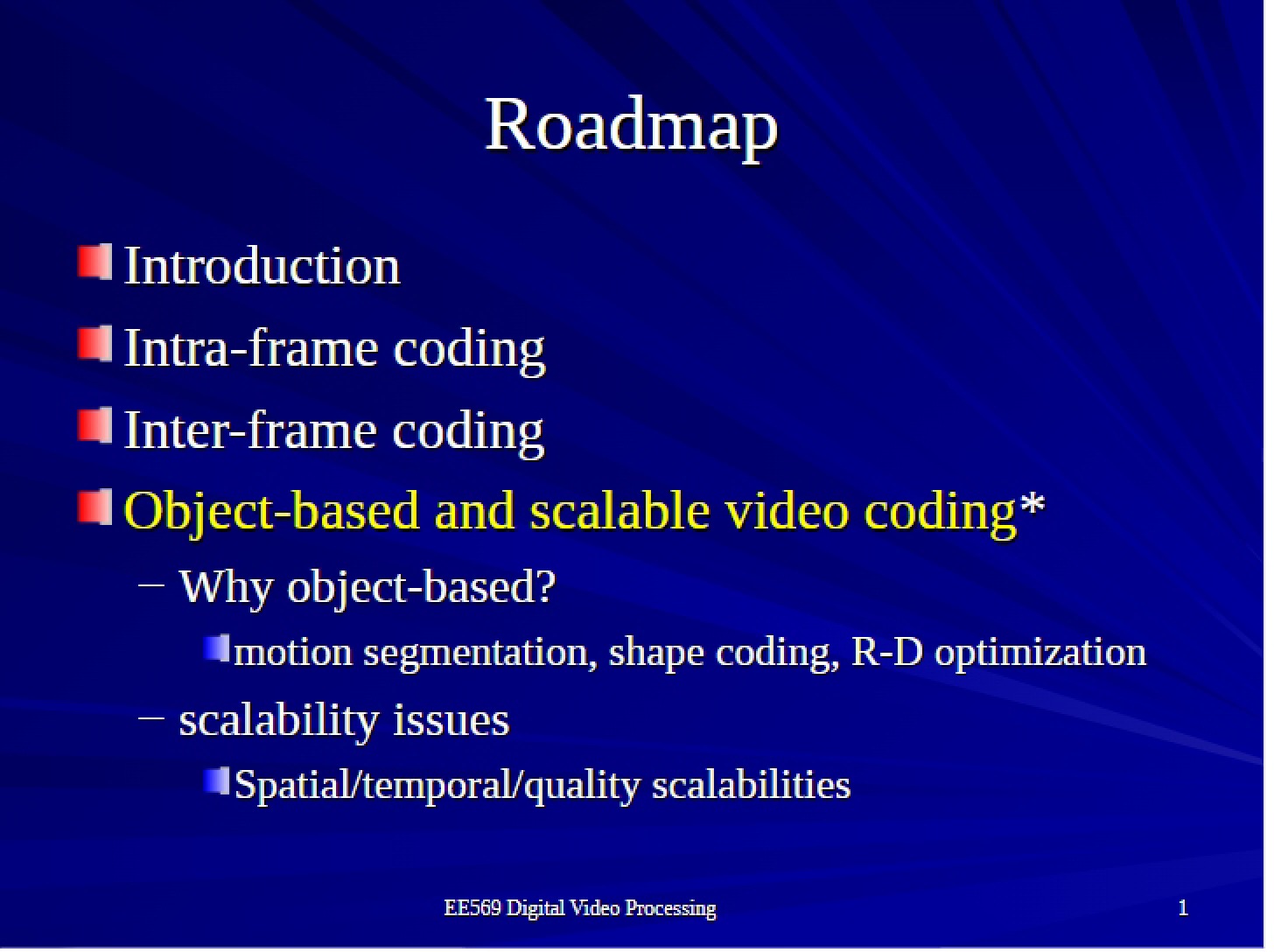
This syllabus provides an overview of the course but does *not* contain the actual course content, lecture notes, assignments, or project details. It outlines the topics that *will* be covered, but doesn’t delve into the specific algorithms, mathematical models, or coding techniques that will be taught. It also doesn’t include the detailed schedule of topics covered each week, or the specific requirements for individual assignments. Access to the full syllabus is required to understand the complete scope of the course.
What This Document Provides
* A clear statement of course objectives and expected learning outcomes.
* Information regarding required prerequisites for successful enrollment.
* Instructor contact information and office hours.
* A breakdown of the grading components (assignments, projects, exams).
* Details on the attendance policy and make-up exam procedures.
* A list of recommended textbooks for supplemental learning.
* Information regarding team-based project work and presentation requirements.
* A statement on the University’s commitment to diversity and inclusion.