What This Document Is
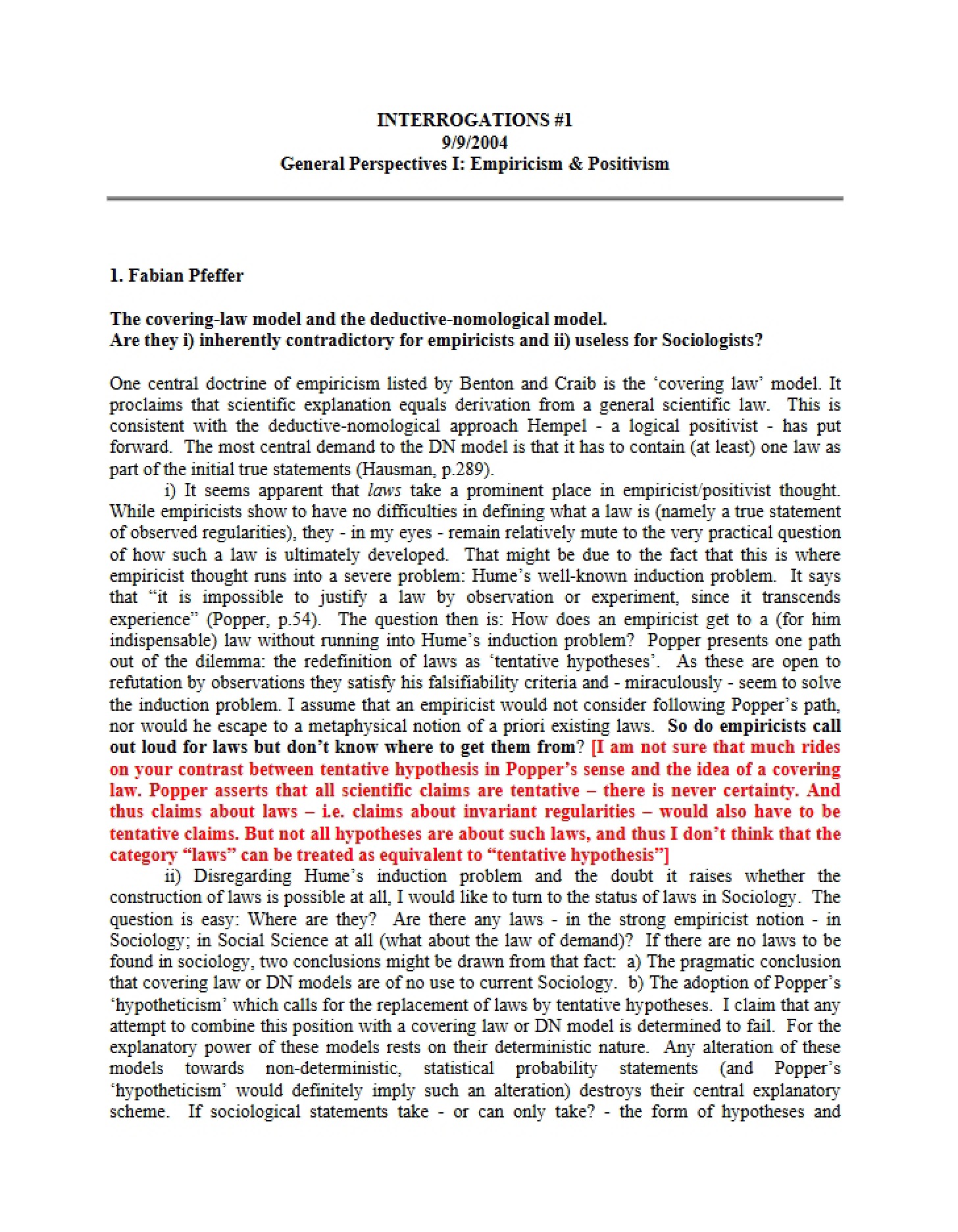
This document consists of student-led “interrogations” – detailed critical analyses – prepared for an advanced seminar within a Social Science Computing and Sociology program at the University of Wisconsin-Madison. Specifically, it focuses on readings related to the complex topic of equality, with this particular installment centering on issues within healthcare. These interrogations represent in-depth engagement with scholarly work and represent a high level of sociological thought. It’s designed to showcase rigorous academic discussion and the application of theoretical frameworks to real-world concerns.
Why This Document Matters
This resource is invaluable for students enrolled in upper-level sociology courses, particularly those dealing with medical sociology, social justice, political philosophy, or ethics. It’s also beneficial for anyone seeking to understand advanced academic discourse on equality and healthcare access. Researchers exploring these topics may find it useful as a demonstration of critical analysis techniques. If you're preparing for a seminar discussion or seeking inspiration for your own research paper, examining these interrogations can provide a strong foundation – though it won’t offer definitive answers.
Common Limitations or Challenges
This document does *not* provide a comprehensive overview of healthcare policy or a summary of all relevant philosophical arguments. It’s not a textbook or a simplified explanation of complex concepts. Instead, it presents a series of focused, individual interpretations of specific readings. It doesn’t offer a single, unified perspective, and may present conflicting viewpoints. Accessing the full document is required to understand the specific arguments being interrogated and the nuances of each student’s analysis.
What This Document Provides
* Focused critical analyses of scholarly work on equality and healthcare.
* Exploration of key concepts like “equal opportunity” and their application to healthcare distribution.
* Discussion of potential objections to prominent philosophical arguments.
* Consideration of the relationship between individual freedom and societal obligations regarding health.
* Insight into the methods of academic interrogation and scholarly debate.