What This Document Is
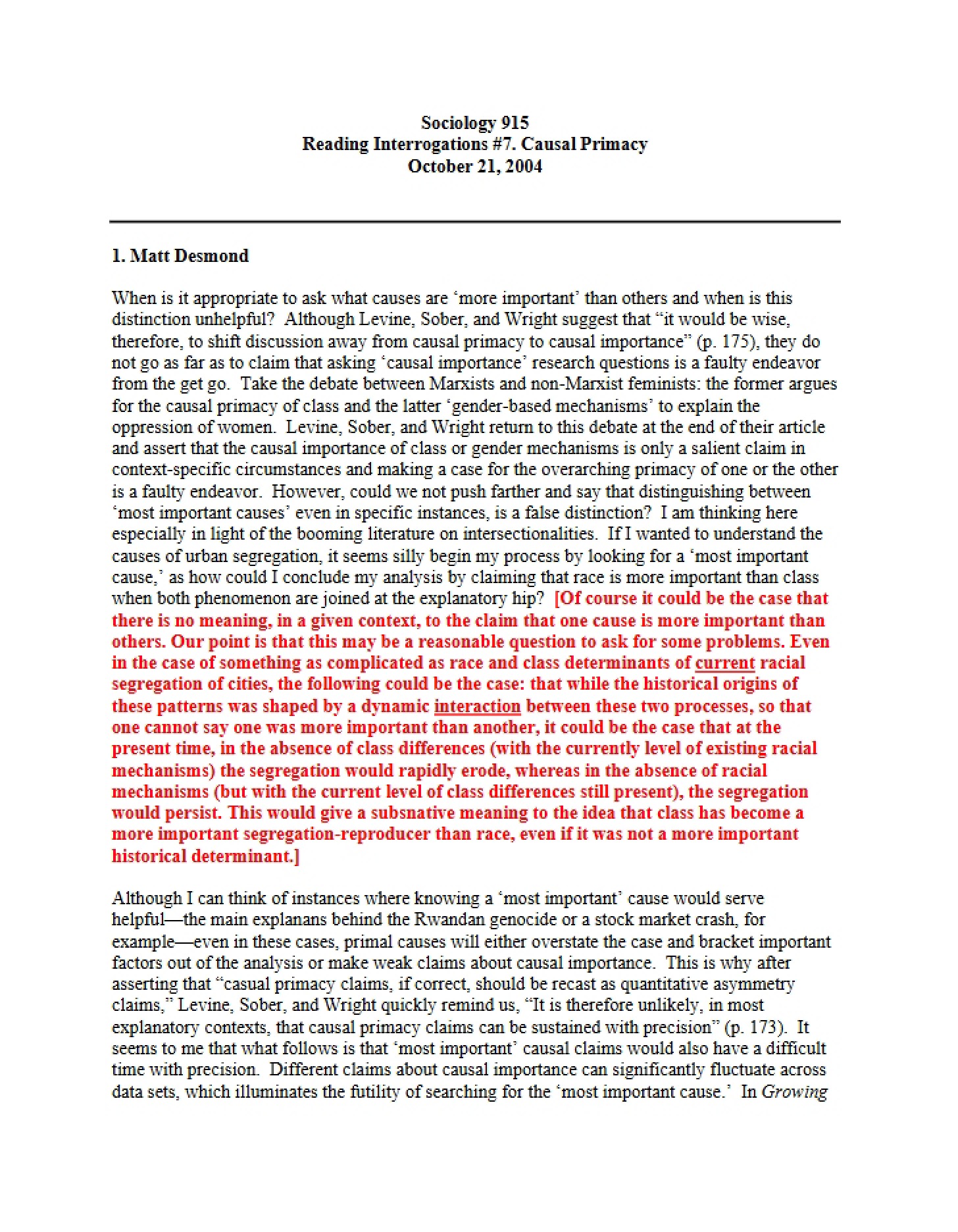
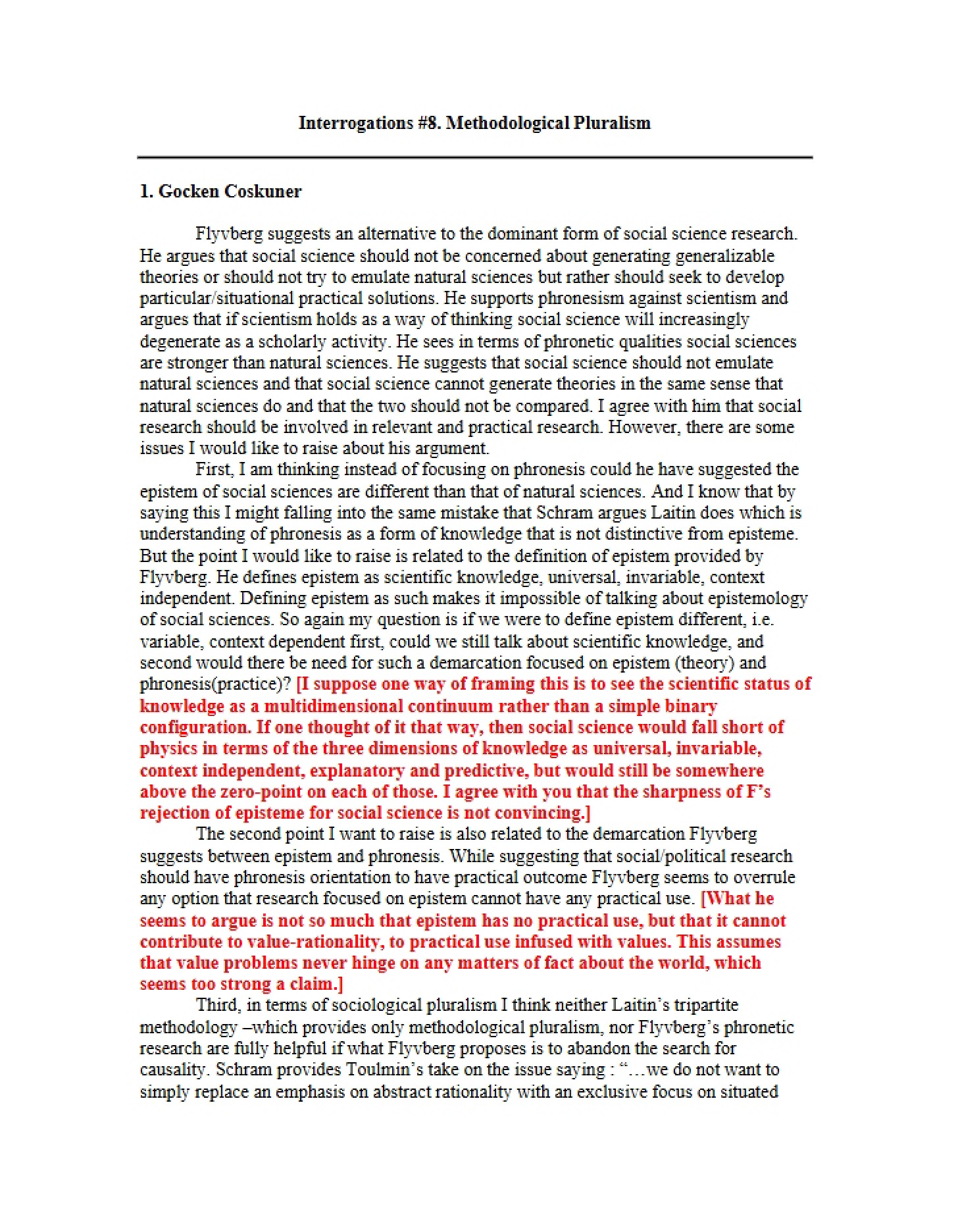
This document represents a focused interrogation of foundational concepts within the philosophy of social science, specifically exploring the relationship between empiricism and positivism. It’s presented as a set of critical questions and reflections – a “reading interrogation” – stemming from a graduate-level seminar (Sociology 915) at the University of Wisconsin-Madison. The core investigation centers on the “covering law” model and the “deductive-nomological” approach, examining their theoretical underpinnings and potential applicability (or lack thereof) to the field of sociology.
Why This Document Matters
Students enrolled in advanced social science methodology courses, particularly those dealing with sociological theory or research design, will find this material highly relevant. It’s especially useful when grappling with the historical development of social science thought and the ongoing debates surrounding the nature of explanation and law-like statements. Those preparing for comprehensive exams or undertaking research that requires a strong theoretical justification will benefit from a deep understanding of these perspectives. It’s ideal for use during early stages of coursework when foundational concepts are being established.
Common Limitations or Challenges
This interrogation doesn’t offer a definitive resolution to the complex issues it raises. It’s designed to provoke thought and critical analysis, not to provide a simple “how-to” guide. It doesn’t present a comprehensive overview of all philosophical positions related to social science, nor does it offer practical guidance on conducting empirical research. The document focuses on theoretical arguments and doesn’t include detailed case studies or empirical examples.
What This Document Provides
* A critical examination of the “covering law” model within the context of empiricist thought.
* An exploration of the challenges posed by Hume’s induction problem to the development of scientific laws.
* A discussion of the potential role of falsifiability in addressing these challenges.
* An analysis of the status of law-like statements within the discipline of sociology.
* Consideration of alternative approaches to sociological explanation, such as middle-range theories.